
Jan . 30, 2026 14:35 Back to list
Comprehensive Guide to Refractory Materials and Their Industrial Applications
Understanding Refractory Materials: A Comprehensive Guide
Refractory materials are essential in a wide range of high-temperature industrial applications, from steelmaking to ceramics. These materials are designed to withstand extreme heat and maintain their strength and integrity even under harsh conditions. This article provides an in-depth look at refractory materials, covering their types, properties, applications, and selection criteria. Understanding these materials is crucial for optimizing industrial processes and ensuring operational safety and efficiency.
What are Refractory Materials?
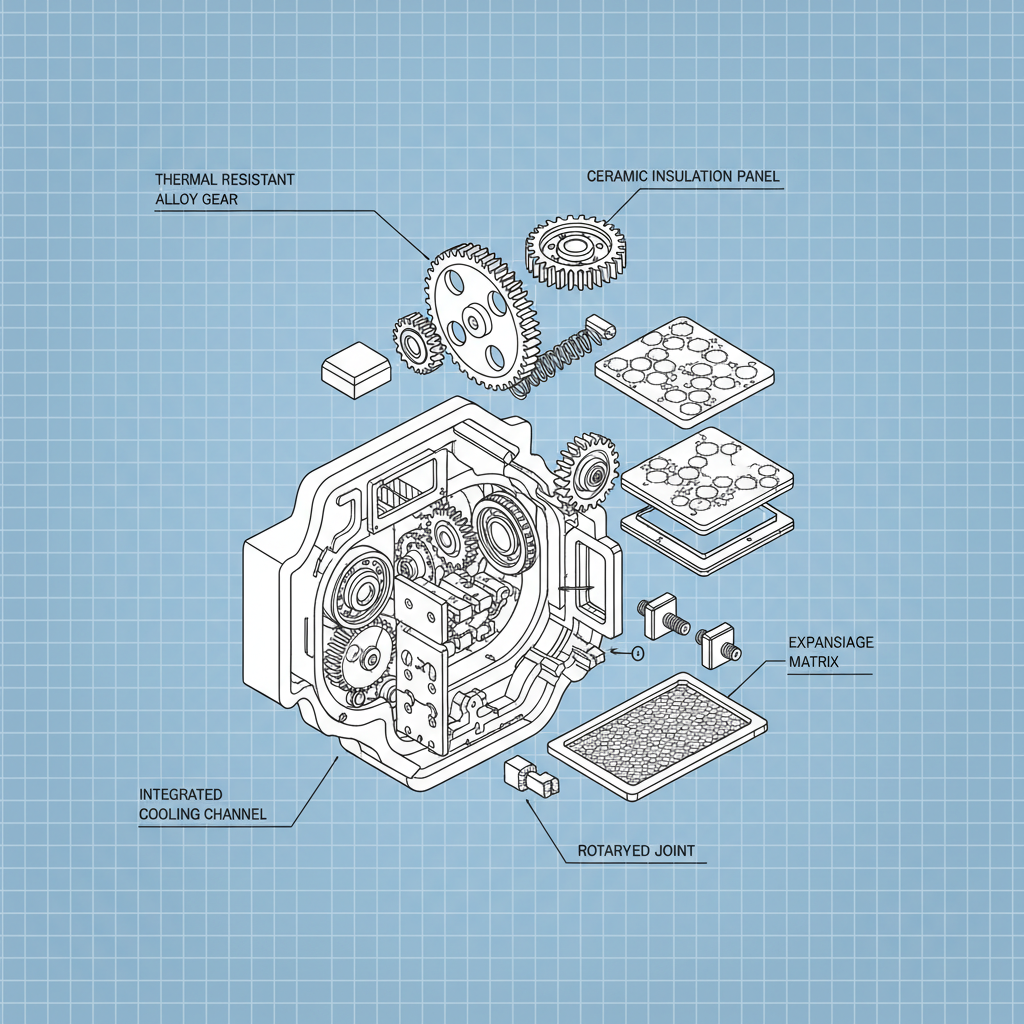
Refractory materials are non-metallic materials that have the ability to retain their strength at high temperatures. They are generally inorganic, non-conducting materials characterized by their resistance to heat, abrasion, and chemical attack. These materials don't melt or significantly deform at temperatures exceeding 500°C (932°F). They are crucial components in furnaces, kilns, incinerators, and other high-temperature processing equipment. Different types of refractories offer varying levels of resistance to specific conditions, making material selection a critical aspect of industrial design and operation.
Types of Refractory Materials
There are several classifications of refractory materials, each suited for different applications. The main types include:
- Acidic Refractories: Primarily composed of silica (SiO2). Used in applications where resistance to acid corrosion is required.
- Basic Refractories: Typically based on magnesia (MgO) or dolomite (CaMg(CO3)2). Ideal for applications involving basic slags and high alkalinity.
- Neutral Refractories: Composed of alumina (Al2O3) or carbon (C). Offer good resistance to both acidic and basic environments.
- Special Refractories: Include materials like zirconia (ZrO2) and silicon carbide (SiC), used in specialized high-temperature applications.
Key Takeaway: The choice of refractory material hinges on the specific chemical and thermal environment of the application.
Key Properties of Refractory Materials
Several properties define the performance of refractory materials. These include:
- Melting Point: The temperature at which the material changes from solid to liquid. Higher melting points indicate greater thermal resistance.
- Thermal Shock Resistance: The ability to withstand rapid temperature changes without cracking or spalling.
- Load-Bearing Capacity: The ability to support weight at high temperatures without deformation.
- Chemical Inertness: Resistance to corrosion and reaction with surrounding gases, liquids, and solids.
- Thermal Conductivity: The rate at which heat passes through the material.
Crucial Properties Ranked:
• Melting Point
• Thermal Shock Resistance
• Load-Bearing Capacity
• Chemical Inertness
Applications of Refractory Materials Across Industries
Refractory materials find applications in numerous industries, including:
- Steelmaking: Lining furnaces, ladles, and transfer equipment.
- Cement Production: Kiln linings and preheater towers.
- Glass Manufacturing: Furnace construction and regenerator blocks.
- Ceramics: Kiln furniture and furnace linings.
- Power Generation: Lining boilers and incinerators.
Selecting the Right Refractory Material
Choosing the appropriate refractory material requires careful consideration of several factors. Key considerations include:
- Operating Temperature: The maximum temperature the material will be exposed to.
- Chemical Environment: The presence of corrosive gases, liquids, or solids.
- Mechanical Stress: The load-bearing requirements of the application.
- Thermal Cycling: The frequency and severity of temperature fluctuations.
- Cost: The overall cost of the material, including installation and maintenance.
Conclusion: The Importance of Quality Refractories
Investing in high-quality refractory materials is essential for optimizing industrial processes, extending equipment lifespan, and ensuring safety. By carefully considering the application requirements and selecting the appropriate material, you can maximize efficiency and minimize downtime.
Frequently Asked Questions (FAQs)
What is the difference between dense and insulating refractories?
Dense refractories, such as high-alumina and magnesia bricks, have a low porosity and high thermal conductivity. They are used in structural applications where strength and resistance to abrasion are critical. Insulating refractories, on the other hand, have a high porosity and low thermal conductivity, making them ideal for reducing heat loss and improving energy efficiency. They are often used as a backup lining in furnaces. The choice between the two depends on the specific application and the balance between thermal insulation and mechanical strength required.
How does thermal shock affect refractory materials?
Thermal shock refers to the cracking or spalling of a material due to rapid temperature changes. Refractory materials with low thermal shock resistance are more susceptible to damage when exposed to these fluctuations. Factors influencing thermal shock resistance include thermal expansion coefficient, thermal conductivity, and elastic modulus. Choosing materials with a lower thermal expansion coefficient and higher thermal conductivity can improve resistance to thermal shock. Proper heating and cooling rates are also crucial to minimize stress and prevent cracking.
What are unshaped refractories and when are they used?
Unshaped refractories, also known as monolithic refractories, are materials that do not have a pre-defined shape. They are supplied as powders or mixes and are cast, rammed, or gunned into place. Common types include castables, ramming mixes, and gunning materials. These are typically used for complex shapes or areas where pre-formed bricks are difficult to install or maintain. They are also preferred for large-area linings and repairs. Xingtai LuXi offers a variety of unshaped refractory solutions.
How can I prolong the lifespan of my refractory lining?
Prolonging the lifespan of a refractory lining involves several best practices. Avoid sudden temperature changes and thermal shocks by controlling heating and cooling rates. Regularly inspect the lining for signs of wear and damage, and promptly repair any cracks or spalling. Maintain proper insulation to minimize heat loss and reduce stress on the lining. Utilize high-quality refractory materials suitable for the specific application and operating conditions. Following these recommendations can significantly extend the lifespan and performance of your refractory lining.
-
Professional Boiler Refractory Material Supplier for Industrial Efficiency
NewsApr.16,2026
-
How to Choose the Best refractory materials suppliers for Success
NewsApr.09,2026
-
Understanding Refractory Bricks Raw Materials for High Temperature Applications
NewsApr.07,2026
-
PLIbrico Refractory Materials Understanding Applications and Benefits
NewsApr.04,2026
-
Advancements in Reversible Thermal Expansion Refractory Materials for High Temperature Applications
NewsMar.31,2026
-
Comprehensive Guide to Refractory Kiln Lining Material Selection and Applications
NewsMar.28,2026