
Mar . 19, 2026 02:05 Back to list
Exploring the Advantages of Monolithic Refractory Materials for High Temperature Industries
Understanding Monolithic Refractory Materials for High-Temperature Applications
In industries requiring high-temperature resistance – such as steel, cement, and glass production – the selection of appropriate refractory materials is crucial. Monolithic refractory materials represent a significant advancement in this field, offering several advantages over traditional brick-based systems. This article will explore the characteristics, types, applications, installation, benefits, and future trends surrounding monolithic refractories, with a focus on how Xingtai LuXi Refractory Co., Ltd. delivers high-quality solutions. Ensuring the longevity and efficiency of high-temperature processes relies on choosing the correct refractory lining, and monolithic materials are frequently the superior choice.
What are Monolithic Refractory Materials?
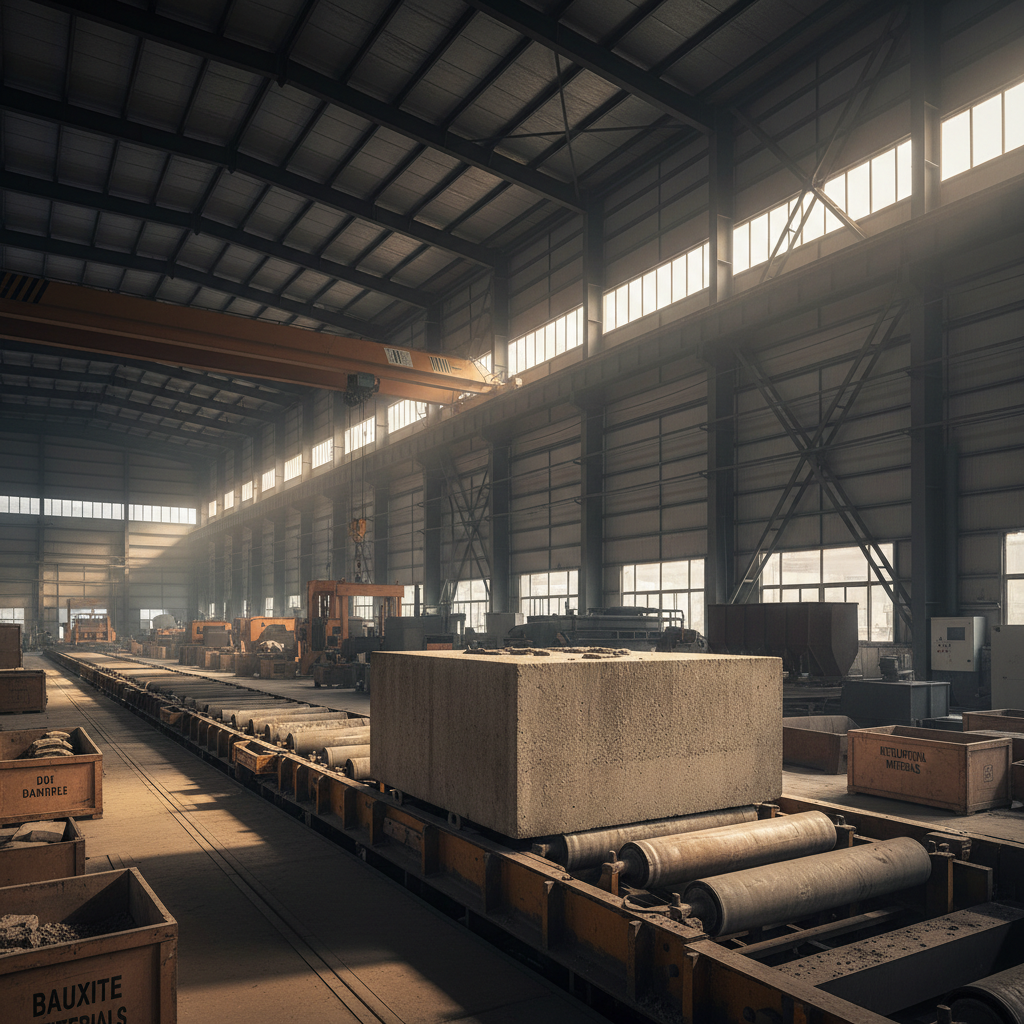
Monolithic refractories are granular materials comprised of refractory aggregates, binders, and additives. Unlike traditional refractory bricks, these materials are installed as a mass, forming a seamless lining without joints. This monolithic structure contributes to superior resistance to thermal shock, chemical attack, and mechanical stress. The term 'monolithic' refers to the fact that the material is poured or cast into place, creating a single, continuous layer. They offer better spalling resistance and reduce heat loss through joints. Xingtai LuXi Refractory specializes in tailoring monolithic formulations to specific industrial needs.
Key Characteristics: Seamless installation, high resistance to thermal shock, excellent chemical stability, and customizable formulations for diverse applications.
Types of Monolithic Refractory Materials
Monolithic refractories are categorized based on their binder systems. The most common types include:
- Calcium Aluminate Cement (CAC) Bound: These offer rapid setting and high early strength, ideal for quick repairs and linings.
- Sodium Silicate Bound: Known for excellent bonding and moderate temperature resistance, suitable for general-purpose applications.
- Phosphate Bound: Exhibit high strength at elevated temperatures and excellent slag resistance, often used in steelmaking.
- Self-Flowing/Self-Leveling Castables: Designed for complex shapes and intricate linings, offering easy placement and minimal vibration.
The selection of the appropriate binder system depends on the specific application requirements, temperature range, and chemical environment. LuXi Refractory provides expert guidance in binder selection based on your process parameters.
Applications of Monolithic Refractory Materials
The versatility of monolithic refractories makes them ideal for a wide range of high-temperature applications, including:
- Steelmaking: Ladle linings, blast furnace linings, and secondary steelmaking vessels.
- Cement Production: Kiln linings, preheater towers, and clinker coolers.
- Glass Manufacturing: Furnace linings and regenerators.
- Non-Ferrous Metal Production: Smelting furnaces and refining vessels.
- Incineration: Waste incinerator linings.
Their ability to withstand extreme temperatures and corrosive environments makes them indispensable in these industries. Xingtai LuXi Refractory Co., Ltd. offers tailored solutions for each of these applications.
Monolithic Refractory Material Selection Guide:
• Temperature Range: Consider the maximum operating temperature of your process.
• Chemical Environment: Account for potential chemical attack from slags, gases, or molten metals.
• Mechanical Stress: Evaluate the level of mechanical stress the lining will be subjected to.
• Installation Requirements: Consider the complexity of the lining and the available installation methods.
Monolithic Refractories vs. Refractory Bricks: A Comparative Overview
While refractory bricks have been traditionally used, monolithic refractories offer several advantages. Here's a comparison:
Future Trends in Monolithic Refractory Technology
The development of monolithic refractories continues to evolve. Current trends include:
- Ultra-Low Cement Castables: Minimizing cement content for improved high-temperature performance.
- Self-Healing Refractories: Incorporating materials that can repair minor cracks, extending lining life.
- Digitally Controlled Mixing and Placement: Utilizing automation for precise material control and installation.
These innovations aim to further enhance the performance, durability, and cost-effectiveness of monolithic refractory systems. Xingtai LuXi Refractory is committed to staying at the forefront of these advancements.
Conclusion: Optimizing Performance with Monolithic Refractories
Monolithic refractory materials offer a superior alternative to traditional brick linings in many high-temperature applications. Their seamless installation, exceptional resistance to thermal shock, and versatility make them a crucial component in optimizing process efficiency and reducing downtime. Xingtai LuXi Refractory Co., Ltd. provides comprehensive solutions, from material selection to installation guidance, to ensure your refractory lining meets your specific needs.
Frequently Asked Questions (FAQs)
What is the typical installation process for monolithic refractories?
The installation process typically involves formwork construction, material mixing, placement (pouring, casting, or gunning), and curing. Formwork provides the shape for the lining. Proper mixing is crucial to ensure homogeneity and optimal properties. Placement techniques vary depending on the material type and application. Curing involves controlled drying and heating to develop the material’s strength and stability. Xingtai LuXi Refractory offers comprehensive installation guidance and support.
How do I determine the correct thickness of a monolithic refractory lining?
The required thickness depends on several factors, including the operating temperature, chemical environment, mechanical stresses, and thermal conductivity of the material. A detailed thermal analysis and consideration of the expected service life are crucial. Consulting with a refractory specialist, like those at Xingtai LuXi Refractory, is highly recommended to ensure optimal lining performance.
What maintenance is required for monolithic refractory linings?
Regular inspections are vital to identify any signs of damage, such as cracking, spalling, or erosion. Minor damage can often be repaired with patching compounds. Preventing mechanical damage and avoiding rapid temperature fluctuations can significantly extend lining life. LuXi Refractory offers maintenance solutions and guidance to maximize the longevity of your refractory systems.
Are monolithic refractories suitable for emergency repairs?
Yes, certain monolithic materials, particularly calcium aluminate cement (CAC) bound castables, are specifically designed for quick repairs. These materials offer rapid setting times and high early strength, allowing for swift restoration of refractory linings during emergency shutdowns. Xingtai LuXi Refractory stocks a range of repair materials for various applications.
-
Professional Boiler Refractory Material Supplier for Industrial Efficiency
NewsApr.16,2026
-
How to Choose the Best refractory materials suppliers for Success
NewsApr.09,2026
-
Understanding Refractory Bricks Raw Materials for High Temperature Applications
NewsApr.07,2026
-
PLIbrico Refractory Materials Understanding Applications and Benefits
NewsApr.04,2026
-
Advancements in Reversible Thermal Expansion Refractory Materials for High Temperature Applications
NewsMar.31,2026
-
Comprehensive Guide to Refractory Kiln Lining Material Selection and Applications
NewsMar.28,2026