
Oct . 19, 2025 12:05 Back to list
Fe-C Composite Pellets for BOF – Fast Melt, Low Impurities
Smarter BOF Carbon Control, Fewer Surprises on the Blow
If you’ve run a BOF shop, you know the dance: oxygen, slag foaming, endpoint hits, and the occasional slop you don’t want to talk about. Lately I’ve seen more converters moving to Fe-C Composite Pellets for BOF to tighten carbon addition and stabilize the bath. To be honest, it’s not just a fad—composite pellets have become a practical lever for yield and safety.
What they are and why steelmakers care
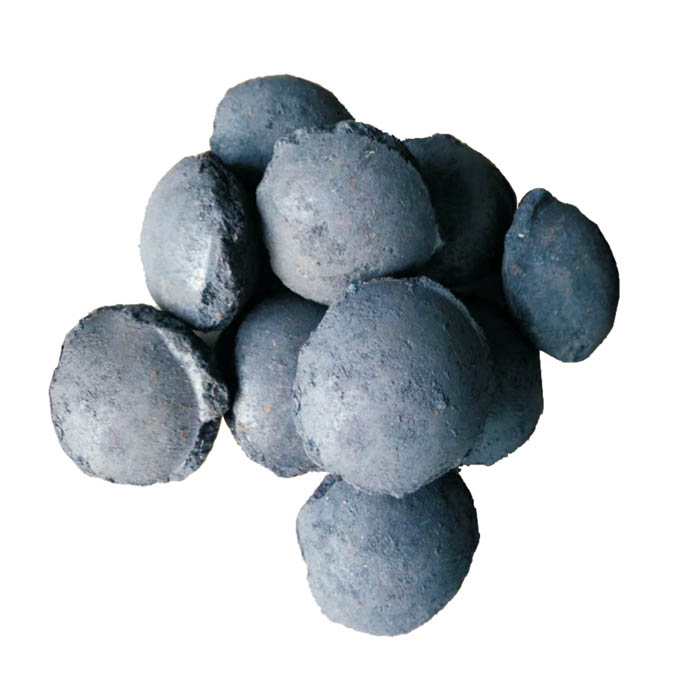
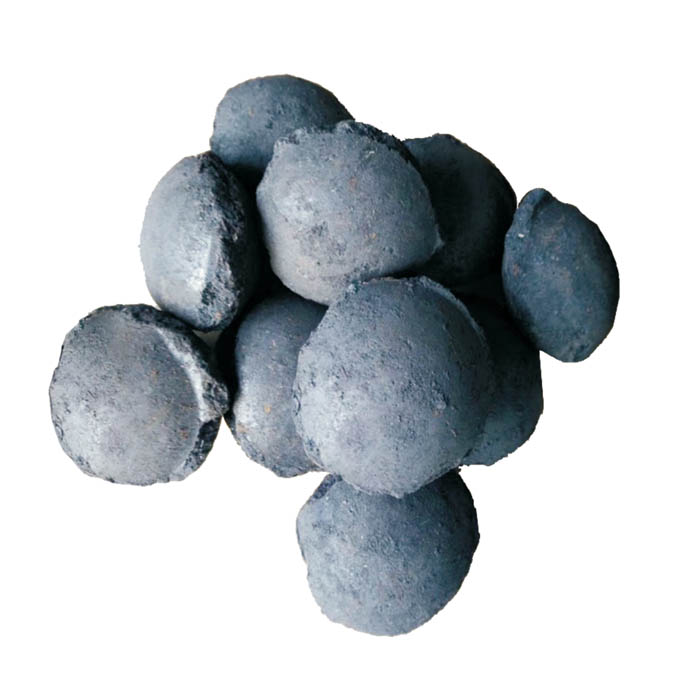
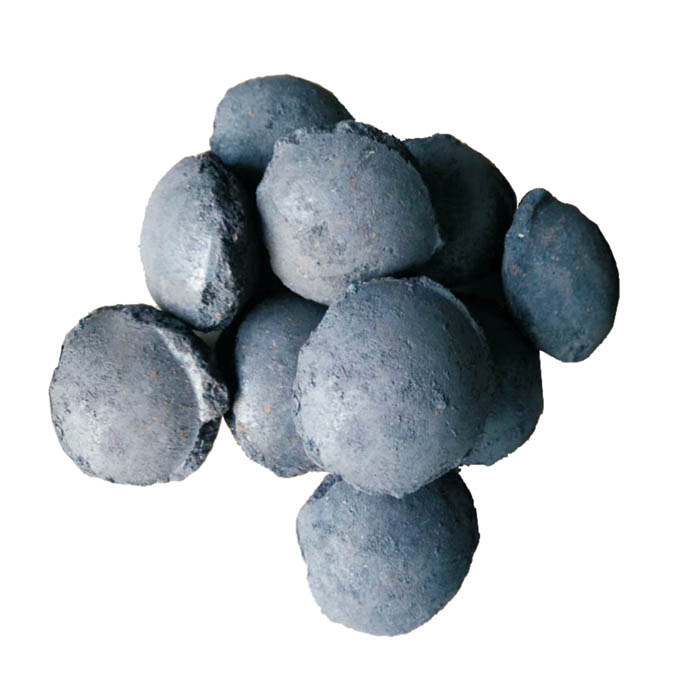
Fe-C Composite Pellets for BOF are spherical alloy pellets made from iron powder blended with carbon (usually graphitized). The idea is simple: deliver carbon with an iron carrier that sinks fast, dissolves predictably, and doesn’t dust out. In real shops, that tends to mean smoother decarburization, better endpoint accuracy, and fewer slopping alarms—many customers say oxygen use also nudges down a bit.
Key specs at a glance
| Parameter | Typical Value | Notes |
|---|---|---|
| Total C (wt%) | 6–15% | Customizable; tested per ASTM E1019 |
| Total Fe (wt%) | ≥80% | Balance Fe and minor alloy |
| S / P (wt%) | S ≤0.02, P ≤0.03 | Typical; real-world batches ≈ vary |
| Pellet Size | 10–15 mm | 8–18 mm on request |
| Cold Crushing Strength | ≥2,500 N/pellet | ISO 4700 |
| Tumble Index | ≥90% (+6.3 mm) | ISO 3271 |
| Bulk Density | ≈3.8–4.2 t/m³ | For charge logistics |
How they’re made (short version)
Materials: atomized iron powder, graphitized carbon, low-ash binders, anti-caking aids. Methods: precision mixing, pelletizing, low-temperature curing (organic binders) or mild thermal hardening; screened to size; anti-moisture coating optional. Testing: chemistry (ASTM E1019), sampling (ISO 14284), CCS (ISO 4700), tumble (ISO 3271), moisture, and drop tests. Shelf life: ~12 months in dry storage; in-converter dissolution time usually 30–120 s, depending on blow dynamics.
Application scenarios in BOF
- Pre-charge with scrap: faster sink, less carbon dusting.
- Early-to-mid blow carbon feed: moderates slag foaming, steadier bath.
- Endpoint trim: tighter hits on C, fewer reblows (it seems that’s where the ROI lands).
Typical results customers report: 20–40% fewer slopping events, 0.5–1.5% better carbon yield versus loose recarburizer, and oxygen savings of around 1–3 Nm³/t steel. Your mileage may vary—hot metal chemistry and lance practice still rule the day.
Customization and packaging
Fe-C Composite Pellets for BOF can be tuned for C 4–18%, pellet size 8–18 mm, coated/non-coated, low S/P specs for clean steels, and anti-moisture bags. Standard packs: 1 t jumbo bags or 25 kg sacks on pallets.
Vendor snapshot
| Vendor | Origin | Certifications | Lead Time | Notes |
|---|---|---|---|---|
| Xingtai Luxi New Materials | No.3 Longyang South Rd., Longgang EDZ, Xindu, Xingtai, Hebei, China | ISO 9001/14001/45001 | 2–4 weeks | Tight size control; broad C range |
| Vendor B (India) | Western India | ISO 9001 | 3–5 weeks | Budget-friendly; limited coating options |
| Vendor C (EU) | Central Europe | ISO 9001/14001 | 4–6 weeks | High CCS focus; premium pricing |
Quick case notes
Case A (East Asia, 3.2 Mtpa): swapping loose recarburizer for Fe-C Composite Pellets for BOF cut reblows by 12% and slopping alarms by 31% over 90 days; average endpoint C error shrank from 0.018% to 0.011%. Case B (EU mini-mill): pre-charge dosing improved scrap ratio by ≈1.5% at equal tap chemistry; lance tip life up ~8%—probably from calmer foaming, I guess.
Compliance and standards
Chemistry verified per ASTM E1019; sampling per ISO 14284; physical robustness checked by ISO 4700 and ISO 3271. Most buyers ask for ISO 9001 and sometimes ISO 14001 for ESG reporting.
Bottom line
The pellets aren’t magic, but they’re a tidy way to add controllable carbon with fewer side effects. In fast-paced BOF campaigns, that’s worth quite a bit.
References:
1) ISO 4700:2015 – Determination of the crushing strength of iron ore pellets
2) ISO 3271:2015 – Determination of tumble strength for iron ores
3) ASTM E1019-18 – Determination of C, S, N, O, H in steels and iron
4) ISO 14284:2022 – Steel and iron—Sampling and preparation of samples for chemical analysis
-
Professional Boiler Refractory Material Supplier for Industrial Efficiency
NewsApr.16,2026
-
How to Choose the Best refractory materials suppliers for Success
NewsApr.09,2026
-
Understanding Refractory Bricks Raw Materials for High Temperature Applications
NewsApr.07,2026
-
PLIbrico Refractory Materials Understanding Applications and Benefits
NewsApr.04,2026
-
Advancements in Reversible Thermal Expansion Refractory Materials for High Temperature Applications
NewsMar.31,2026
-
Comprehensive Guide to Refractory Kiln Lining Material Selection and Applications
NewsMar.28,2026