
Oct . 05, 2025 23:20 Back to list
Fe-C Composite Pellets for BOF: Cut Opex, Boost Yield?
Inside the BOF shift: why Fe–C composite pellets are quietly winning heats
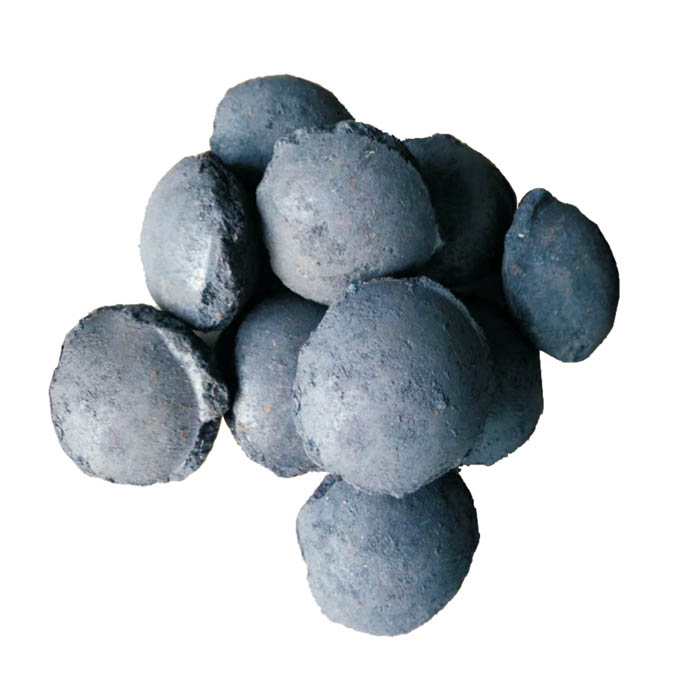
If you’re evaluating [Fe-C Composite Pellets for BOF], here’s the short version: they deliver predictable carbon, fast dissolution, and cleaner handling than loose carburizers. The product comes out of No.3 Longyang South Road, Longgang Economic Development Zone, Xindu District, Xingtai, Hebei, China—an address I’ve visited; busy yard, tidy QA room, surprisingly modern disc pelletizers humming along.
What’s driving adoption
- Higher scrap ratios in BOF shops demand tighter heat balance and a quick, clean carbon trim.
- Dust and safety: pellets cut airborne fines versus injection-grade powders—operators mention fewer cleanup delays.
- Process control: consistent size and CCS help them ride slag/metal flow and dissolve where you want, not at the mouth.
Product snapshot
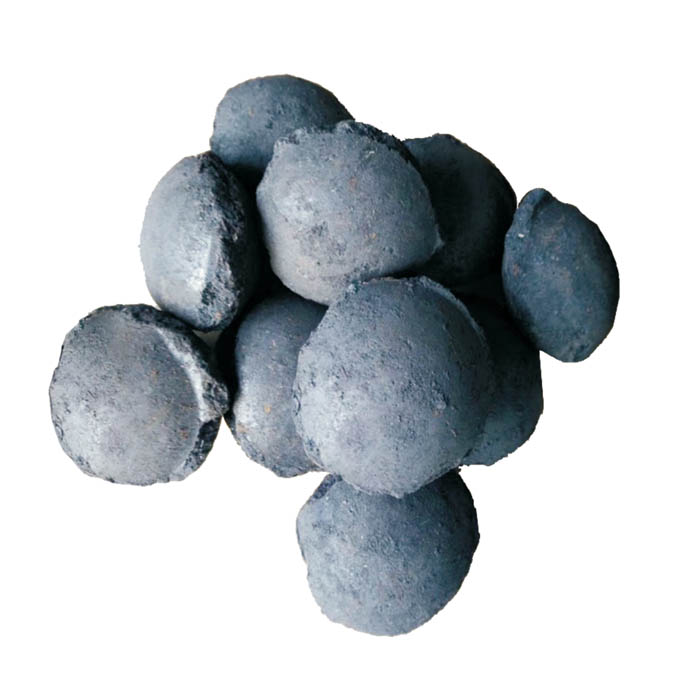
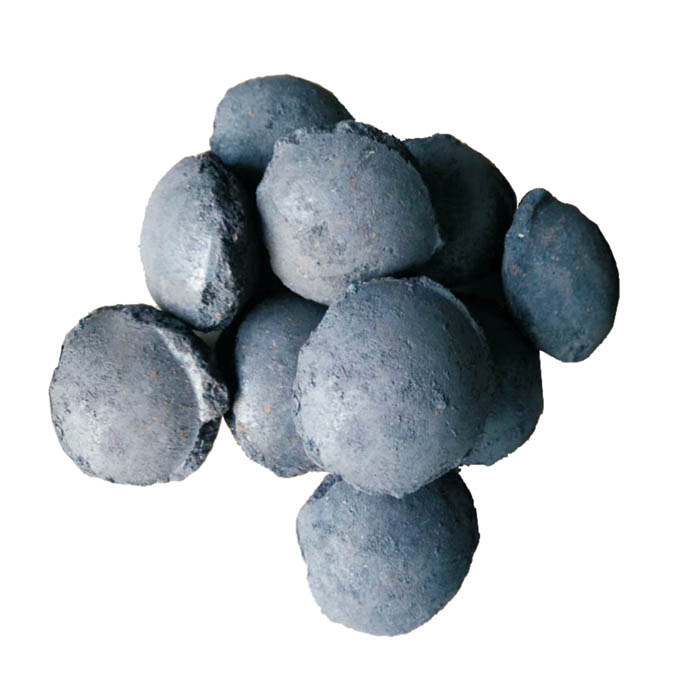
These spherical composites mix iron powder with carburizer using a binder system—think engineered “micro-lumps.” Many customers say the consistency is the hook; it seems that the carbon pickup curve is easier to model across seasons.
| Parameter | Typical value | Notes |
|---|---|---|
| Carbon (C) | 5–25 wt% (custom) | ±0.3% abs; LECO per ASTM E1019 |
| Iron (Fe) | Balance | Low residuals on request |
| S / P | S ≤0.02%, P ≤0.03% | Real-world use may vary by heat |
| Size | 8–18 mm, ≥90% in-range | Screened, low fines |
| Bulk density | ≈1.9–2.3 t/m³ | For bin sizing/charge calc |
| Cold crushing strength (CCS) | 1200–2500 N/pellet | ISO 4700 method |
| Moisture | ≤0.5% | Sealed FIBC |
| Dissolution time in BOF | ~40–90 s | Bath/slag dependent |
Process flow and QA
Materials: high-purity iron powder, carburizer (calcined anthracite/graphite blends), and tailored binders. Methods: continuous mixing → disc pelletizing → low-temperature curing/conditioning → anti-dust surface treatment. Testing: CCS per ISO 4700; tumble/abrasion indicative tests per ISO 3271; chemical by ASTM E1019; sampling to ISO 3082. Certificates: EN 10204 3.1, ISO 9001:2015. Shelf life: 12 months dry; in-furnace “service life” is really dissolution—measured in seconds, not hours.
How mills use Fe-C Composite Pellets for BOF
- Hot-metal carbon trim at or near turndown (reduce reblows).
- Boost scrap melting in high-scrap campaigns; pellets ride with charge, less dusting.
- Spot additions during blow when sensors flag fast C drop (operator’s call, of course).
- Occasional ladle carburization when operationally convenient.
Vendor landscape (quick take)
| Dimension | Luxi Metallurgy (Xingtai) | Trader A | Regional B |
|---|---|---|---|
| C range options | 5–25% custom | Limited | Moderate |
| Size control | 8–18 mm, ≥90% in-range | Varies by lot | Stable |
| CCS guarantee | Yes (ISO 4700) | No | On request |
| Certifications | ISO 9001, 3.1 cert | Supplier-declared | ISO 9001 |
| Lead time | ≈10–15 days | Uncertain | 7–20 days |
| 3rd-party inspection | SGS/BV accepted | Case-by-case | Local labs |
Field notes and results
Case in point: a Southeast Asian BOF (230 t) introduced Fe-C Composite Pellets for BOF at 3–6 kg/t steel for carbon trim. Over 300 heats, the reblow rate dropped ≈22%, turndown C hit-rate improved from 86% to 94%, and scrap was nudged up by ~1.2% with no slag foaming issues. Operators, to be honest, liked the simpler housekeeping.
Customization, packaging, support
- C grades: 5/10/15/20/25% or tailored; sulfur-controlled blends for low-S routes.
- Sizes: 6–12 mm for fast dissolve; 12–18 mm for deeper bath travel.
- Anti-moisture coating available for coastal yards; FIBC 1 t and small-bag options.
- QA pack: COA, EN 10204 3.1, MSDS; lot tagging aligns with ISO 3082 sampling.
Customer voice: “Carbon landing is boring now—that’s a compliment.” Another added, “Less dust on the floor, fewer radio calls.”
Specifications and standards (abridged)
Internal test data are available on request. Independent inspection (SGS/BV) is supported. Compliance: ISO 9001:2015 QMS. Sampling per ISO 3082; CCS by ISO 4700; tumble check via ISO 3271; C/S by ASTM E1019. That’s the boring part, but it matters when heats are on the clock.
Citations
- ISO 4700: Iron ore pellets—Determination of crushing strength.
- ASTM E1019: Standard Test Methods for Determination of C, S in Steel by Combustion.
- AISE/AIST, The Making, Shaping and Treating of Steel—Steelmaking Volume, BOF practices.
- ISO 9001:2015 Quality management systems—Requirements.
-
Professional Boiler Refractory Material Supplier for Industrial Efficiency
NewsApr.16,2026
-
How to Choose the Best refractory materials suppliers for Success
NewsApr.09,2026
-
Understanding Refractory Bricks Raw Materials for High Temperature Applications
NewsApr.07,2026
-
PLIbrico Refractory Materials Understanding Applications and Benefits
NewsApr.04,2026
-
Advancements in Reversible Thermal Expansion Refractory Materials for High Temperature Applications
NewsMar.31,2026
-
Comprehensive Guide to Refractory Kiln Lining Material Selection and Applications
NewsMar.28,2026