
Sep . 15, 2025 08:20 Back to list
Fe-C Composite Pellets for BOF | Enhanced Efficiency & Steel Quality
Industry Trends and the Imperative for Advanced BOF Feedstocks
The global steel industry is in a perpetual pursuit of enhanced operational efficiency, reduced environmental impact, and superior product quality. Basic Oxygen Furnace (BOF) steelmaking, a cornerstone of primary steel production, faces increasing pressure to optimize raw material input, energy consumption, and carbon footprint. Traditional feedstocks like hot metal and steel scrap, while essential, present varying challenges in terms of supply consistency, price volatility, and precise chemical control. This necessitates the adoption of innovative solutions capable of delivering both economic advantages and metallurgical benefits. Advanced composite materials are emerging as critical enablers in this evolving landscape, offering a pathway to overcome these limitations and unlock new levels of performance.
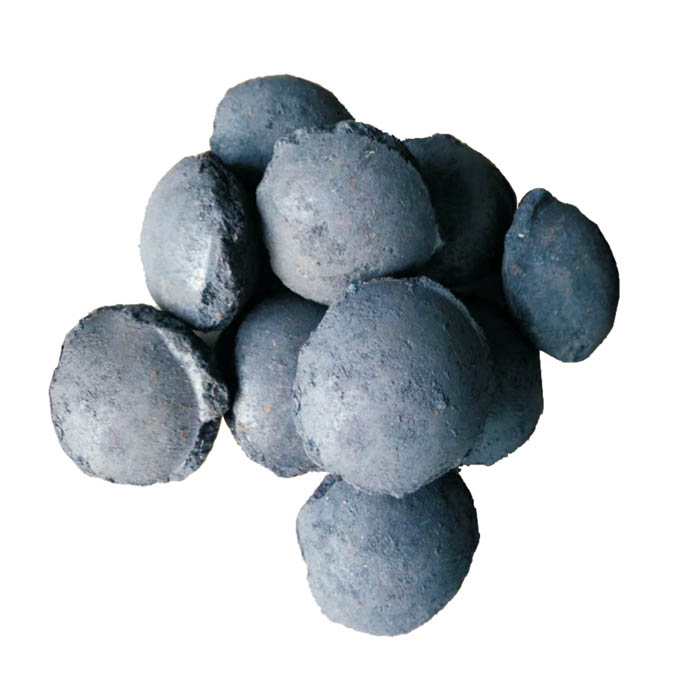
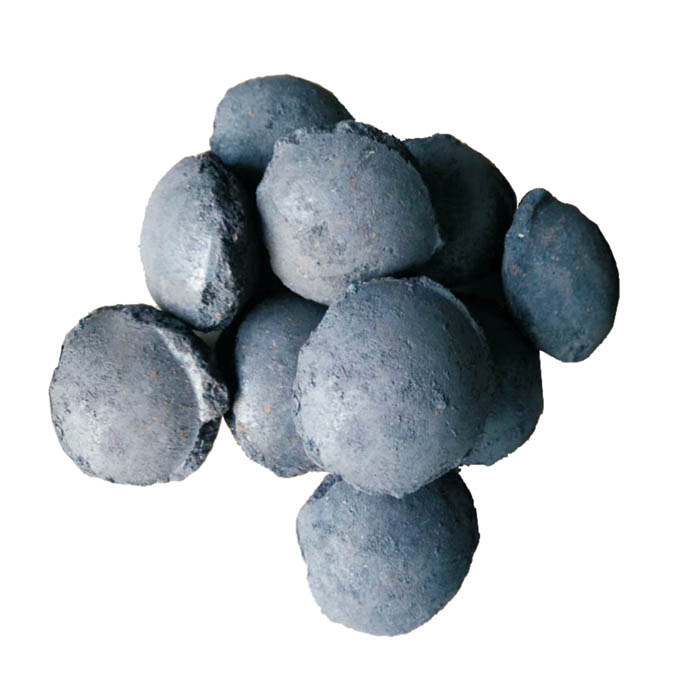
In this context, the development and application of Fe-C Composite Pellets for BOF represent a significant technological leap. These specialized pellets are engineered to provide a controlled and efficient source of both iron and carbon directly into the BOF, offering a strategic alternative or supplement to conventional charges. Their integrated nature allows for better control over melt chemistry, energy balance, and ultimately, the quality and cost-efficiency of the final steel product. The demand for such sophisticated feedstocks is driven by the industry's commitment to lean manufacturing principles, sustainability goals, and the continuous improvement of steel properties for diverse high-performance applications.
Our focus is on delivering solutions that address these complex industrial requirements, ensuring that our clients maintain a competitive edge through superior material science and process optimization.
Detailed Manufacturing Process of Fe-C Composite Pellets for BOF
The production of high-quality Fe-C Composite Pellets for BOF involves a meticulously controlled, multi-stage manufacturing process designed to ensure homogeneity, mechanical strength, and optimal metallurgical properties. This advanced process integrates several key steps, each critical to the performance of the final product in demanding BOF environments.
Core Product Materials:
- Iron Ore Fines: High-grade iron ore concentrates (e.g., hematite or magnetite) are typically used, selected for their low impurity content (S, P) and consistent chemical composition.
- Carbon Source: Various carbonaceous materials such as metallurgical coke breeze, anthracite fines, or graphite powder are incorporated to provide the necessary carbon for reduction and alloying. The selection depends on desired carbon content and reactivity.
- Binders: Organic (e.g., bentonite, starch, molasses) or inorganic (e.g., lime, cement) binders are crucial for forming strong green pellets and ensuring structural integrity during subsequent thermal treatments and handling.
- Fluxing Agents (Optional): Lime or dolomite can be added to aid in slag formation and impurity removal during steelmaking.
Manufacturing Process Flow:
-
Raw Material Preparation:
Iron ore fines and carbon sources are received, inspected, and then finely ground to specific particle sizes using ball mills or vertical roller mills. This ensures adequate surface area for bonding and reactivity. Screen analysis confirms particle size distribution.
-
Proportioning and Mixing:
The prepared iron fines, carbon material, binders, and any fluxing agents are precisely weighed according to formulation specifications. These components are then thoroughly mixed in high-intensity mixers (e.g., paddle mixers, pug mills) to achieve a homogeneous blend, ensuring uniform distribution of carbon within the iron matrix.
-
Pelletizing/Granulation:
The moist mixture is fed into pelletizing equipment such as a pelletizing disc or drum. Through rolling and compaction, the material forms spherical "green" pellets of a predetermined size. Water content is carefully controlled to optimize green strength and prevent deformation.
-
Drying:
The green pellets are gently dried in either a static bed or a continuous dryer (e.g., rotary dryer, grate-kiln) to remove moisture. This prevents thermal shock and cracking during subsequent high-temperature stages. Drying parameters (temperature, airflow) are controlled to avoid damage to the pellet structure.
-
Induration/Sintering:
This is a critical thermal treatment step where the dried pellets are heated to high temperatures (typically 1200-1350°C) in an oxidizing or controlled atmosphere. This process sinters the iron particles, increases the mechanical strength of the pellets, burns off organic binders (if used), and can initiate a degree of pre-reduction, solid-state carbon solution, or even form carbides. The induration process dictates the final cold crushing strength and reducibility.
-
Cooling:
After induration, the hot pellets are gradually cooled in a cooler (e.g., circular cooler, straight-grate cooler) to ambient temperature. Controlled cooling prevents thermal stress and cracking, preserving the pellet's integrity.
-
Screening and Quality Control:
The cooled pellets are screened to remove undersized fines and oversized agglomerates, ensuring a uniform product size distribution. Final quality control checks, including chemical analysis, physical strength tests, and metallurgical evaluation, are performed.
-
Packaging and Storage:
The finished Fe-C Composite Pellets for BOF are packaged (e.g., in bulk bags or in bulk) and stored in appropriate conditions, ready for dispatch.
Testing Standards and Service Life:
Our manufacturing adheres to stringent international quality standards, including ISO 9001 for quality management systems. Product-specific testing includes compliance with standards such as ASTM E1097 (chemical analysis), ISO 4700 (cold crushing strength), and ISO 4696 (tumbler index) to ensure consistent performance. The inherent stability and robust composition of our pellets ensure an extended service life within the BOF environment, minimizing material degradation and maximizing metallurgical benefits.
Target Industries and Application Advantages:
While the primary target industry is metallurgy, specifically Basic Oxygen Furnace (BOF) steelmaking, the principles of our composite pellets can be adapted for electric arc furnace (EAF) applications and other ironmaking processes. In typical BOF scenarios, the key advantages are manifold:
- Energy Saving: The internal carbon within the pellet significantly reduces the reliance on external energy sources for carbon dissolution and contributes to an optimized thermal balance, reducing overall energy input per ton of steel.
- Enhanced Productivity: Faster dissolution rates and controlled carbon input lead to shorter tap-to-tap times and increased steel production rates.
- Improved Metal Yield: Minimized dusting and improved charge distribution contribute to higher metallic yield.
- Environmental Benefits: Reduced hot metal consumption can lead to lower CO2 emissions from upstream blast furnaces, and optimized BOF operation can decrease slag generation and improve refractory life.
Technical Specifications and Performance Parameters
Our Fe-C Composite Pellets for BOF are meticulously engineered to meet stringent performance criteria, ensuring optimal integration and efficiency within Basic Oxygen Furnace operations. The detailed technical specifications below highlight the critical chemical and physical properties that define the superior quality and functionality of our product. These parameters are consistently monitored through rigorous quality control procedures.
Product Specification Table:
| Parameter | Unit | Typical Value Range | Description/Significance |
|---|---|---|---|
| Total Iron (Fetotal) | % | 65 - 70 | High metallic content for maximum iron yield in the BOF. |
| Total Carbon (Ctotal) | % | 8 - 12 | Controlled carbon input for slag foaming, heat generation, and final steel chemistry. |
| Silicon Dioxide (SiO2) | % | 2.0 - 4.0 | Contributes to slag basicity control; kept low to minimize flux consumption. |
| Alumina (Al2O3) | % | < 0.5 | Impurity level managed to prevent refractory erosion and maintain slag fluidity. |
| Sulfur (S) | % | < 0.05 | Crucial for steel quality; low sulfur content minimizes desulfurization requirements. |
| Phosphorus (P) | % | < 0.08 | Critical for steel quality; controlled to meet stringent product specifications. |
| Pellet Size | mm | 9 - 16 (uniform) | Optimized for consistent charging, heat transfer, and dissolution kinetics in BOF. |
| Cold Crushing Strength (CCS) | N/pellet | > 2000 | Ensures physical integrity during transport, handling, and charging into the furnace. |
| Tumbler Index (+6.3mm) | % | > 92 | Indicates abrasion resistance and resistance to fines generation during handling. |
| Apparent Density | g/cm3 | 3.8 - 4.2 | Affects charging volume and thermal mass; consistent density aids process control. |
These precise specifications are foundational to the performance benefits our Fe-C Composite Pellets for BOF deliver, enabling steel producers to achieve greater control over their operations and product quality.
Application Scenarios and Operational Benefits
The strategic deployment of Fe-C Composite Pellets for BOF offers significant operational flexibility and metallurgical advantages across various BOF steelmaking scenarios. These pellets are designed to optimize the steelmaking process by providing a precisely controlled source of iron and carbon, thereby enhancing furnace performance and product quality.
Key Application Scenarios:
- Hot Metal Substitution: In situations where hot metal availability is limited or its cost is prohibitive, Fe-C composite pellets can partially substitute hot metal. The pellets contribute both iron units and a significant amount of carbon, which generates heat through combustion, helping to maintain the thermal balance of the BOF. This allows for greater flexibility in raw material sourcing and can mitigate production bottlenecks.
- Scrap Optimization and Melting: While hot metal provides most of the energy for melting scrap, the internal carbon in our pellets provides additional exothermic reaction energy upon oxidation. This enables an increased scrap charge ratio without compromising the thermal stability of the blow, thereby maximizing the utilization of low-cost scrap. The pellets’ controlled dissolution also helps in improving scrap melting rates.
- Carbon Source for Slag Foaming and Metallurgy: The carbon within the pellets actively participates in generating CO gas, which is crucial for forming and maintaining a stable, deep slag foam. This slag foam improves post-combustion efficiency, reduces slopping, protects the refractory lining, and facilitates better phosphorus removal. Furthermore, the carbon content can be tailored to meet specific metallurgical requirements, contributing to the final steel chemistry.
- Refractory Protection: By promoting a stable slag foam, the pellets help to shield the BOF refractory lining from direct flame impingement and thermal shock, potentially extending refractory life and reducing maintenance costs.
Operational Advantages:
- Faster Tap-to-Tap Time: The rapid dissolution and reactive nature of the pellets accelerate the melting process and carbon oxidation, contributing to shorter BOF cycle times and increased daily production.
- Reduced Oxygen Consumption: By providing internal carbon for heat generation, the need for external fuel sources or excessive oxygen blowing for thermal balance is reduced, leading to lower operational costs.
- Improved Steel Quality: The controlled input of iron and carbon, along with better slag management, contributes to more consistent steel chemistry and reduced impurity levels, leading to higher-quality finished products.
- Enhanced Thermal Balance: The exothermic reactions within the pellets provide a localized heat source, contributing to a more stable and predictable thermal profile within the BOF, reducing temperature fluctuations.
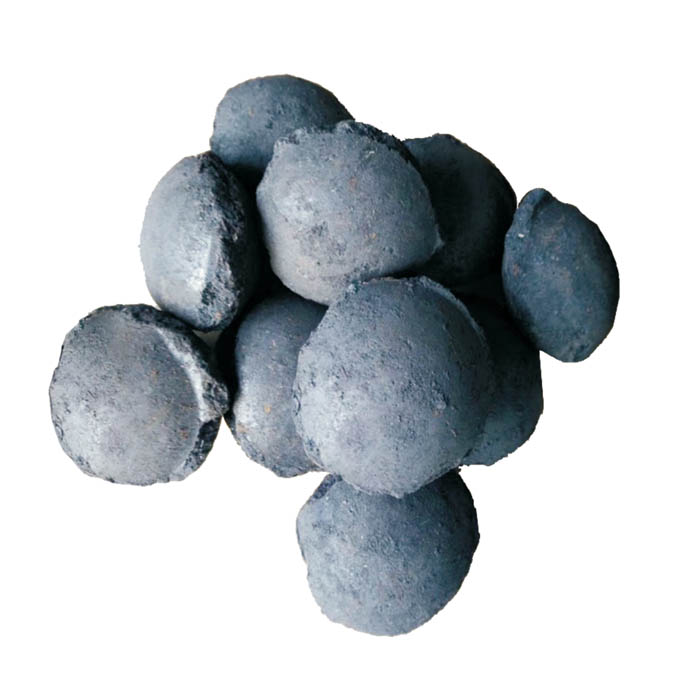
These advantages demonstrate our commitment to delivering solutions that enhance operational efficiency and profitability for our partners in the steel industry.
Vendor Comparison: Our Solution vs. Traditional Methods
When evaluating raw material choices for Basic Oxygen Furnaces, steel producers must weigh various factors, including cost, efficiency, environmental impact, and operational flexibility. Our Fe-C Composite Pellets for BOF stand out as a superior alternative or complement to traditional BOF charge materials, offering distinct advantages across key performance indicators. The table below provides a comparative analysis, highlighting why our solution is increasingly preferred by forward-thinking steel manufacturers.
Comparative Analysis Table:
| Feature/Parameter | Our Fe-C Composite Pellets | Traditional Hot Metal + Scrap + Carbon Injection | Direct Reduced Iron (DRI)/Hot Briquetted Iron (HBI) |
|---|---|---|---|
| Integrated Fe & C Source | Yes, precisely engineered in a single pellet. | No, separate inputs (hot metal, scrap, injected carbon). | Primarily Fe, low carbon; often requires additional carbon. |
| Energy Efficiency | High; internal carbon generates heat, reducing external energy input. | Dependent on hot metal temperature & scrap ratio; external carbon adds limited heat. | Lower; requires significant energy input to melt and decarburize. |
| Process Stability & Control | Excellent; controlled dissolution, predictable thermal & chemical input. | Variable, influenced by hot metal quality, scrap type, and injection consistency. | Good, but less flexibility in carbon control without additional injection. |
| Impact on Tap-to-Tap Time | Reduced; faster melting and decarburization. | Standard, can be affected by operational variations. | Potentially longer due to melting time and additional carbon injection. |
| Environmental Footprint | Reduced CO2 emissions (less hot metal, optimized BOF operation). | Higher, especially if high hot metal ratio is maintained. | Lower CO2 than blast furnace, but typically higher than composite pellets due to less integrated C. |
| Cost-Effectiveness | Optimized; balances material cost with operational savings (energy, productivity). | Fluctuates significantly with hot metal and scrap prices. | Generally higher due to processing costs and logistics. |
| Slag Management | Improved slag foaming, potentially reduced slag volume and better dephosphorization. | Standard, can be prone to slopping with high carbon injection. | Generally good, but less direct impact on carbon-induced foaming. |
Customized Solutions:
We understand that each BOF operation has unique requirements, furnace characteristics, and raw material availability. Therefore, we offer highly customized solutions for our Fe-C Composite Pellets. Our technical team works closely with clients to:
- Tailor Carbon Content: Adjusting the carbon percentage within the pellets to match specific heat balances, scrap ratios, and desired steel chemistries.
- Optimize Pellet Size and Strength: Customizing physical properties to suit charging systems, material handling logistics, and dissolution kinetics within the BOF.
- Incorporate Specific Fluxing Agents: Adding particular elements to the pellet composition to aid in specific slag conditions or impurity removal processes.
- Develop Application Strategies: Providing expert guidance on the optimal charging sequence, quantity, and integration of the pellets into existing BOF operating practices for maximum benefit.
Application Case Studies and Customer Feedback
Our commitment to delivering tangible value is best demonstrated through the successful implementation of our Fe-C Composite Pellets for BOF in real-world steelmaking operations. These case studies highlight the versatility and performance benefits achieved by our partners.
Case Study 1: Enhanced Scrap Melting and Productivity for a Major Asian Steel Producer
A leading integrated steel plant in Southeast Asia, operating two 300-ton BOFs, faced challenges in maximizing scrap utilization due to limitations in hot metal availability and concerns about thermal stability. Traditional methods of increased carbon injection were proving inefficient and led to higher refractory wear.
- Challenge: Increase scrap charge ratio by 5% without increasing hot metal consumption or extending tap-to-tap time.
- Solution: Implemented our custom-designed Fe-C Composite Pellets (10% carbon content, 12mm average size) as a direct replacement for a portion of the hot metal charge. The pellets were charged along with scrap.
- Results:
- Achieved a 6% increase in scrap charge, reducing hot metal consumption by 4%.
- Tap-to-tap time remained consistent, with no adverse impact on blow duration.
- Observed a 3% reduction in oxygen consumption per ton of liquid steel.
- Improved slag foaming stability, leading to reduced slopping incidents by 15%.
- Overall productivity increased by 2.5% due to optimized raw material mix and consistent operations.
- Customer Feedback: "The Fe-C Composite Pellets provided a reliable and cost-effective way to boost our scrap utilization. The thermal contribution and controlled carbon input helped us achieve our production targets while maintaining excellent process control. The technical support during implementation was invaluable."
Case Study 2: Energy Saving and Emission Reduction for a European Steel Mill
A European steel manufacturer, focused on sustainability and carbon footprint reduction, sought to lower its specific energy consumption in BOF operations while maintaining high steel quality standards.
- Challenge: Reduce specific hot metal consumption and associated CO2 emissions by 3-5%, while ensuring consistent thermal performance and metallurgical outcomes.
- Solution: Implemented Fe-C Composite Pellets with a higher carbon content (12%) as a direct energy and iron source, replacing a portion of both hot metal and some external additions.
- Results:
- Achieved a 4.5% reduction in hot metal charge per ton of steel.
- Total energy consumption in the BOF (including hot metal energy) decreased by 3.8%.
- CO2 emissions per ton of crude steel reduced by an estimated 2.9% due to both lower hot metal use and improved BOF efficiency.
- No negative impact on steel chemistry or refractory life was observed; in fact, minor improvements in dephosphorization were noted.
- Customer Feedback: "Our sustainability goals are ambitious, and these composite pellets have proven to be a vital tool in achieving them. The energy savings and emission reductions are measurable and contribute significantly to our green steel initiatives. The consistent product quality is also a major plus for our demanding applications."
These cases underscore our proven capability to enhance operational metrics, reduce costs, and support environmental objectives in diverse industrial settings.
Authoritativeness and Trustworthiness
Our commitment to excellence and reliability is underpinned by robust industry certifications, extensive operational experience, and a client-centric approach to service delivery. We believe that trust is built on transparency, consistent quality, and unwavering support.
Certifications and Quality Assurance:
- ISO 9001 Certified: Our manufacturing facilities and quality management systems are certified to ISO 9001:2015 standards, ensuring a consistent and high-quality product output through rigorous process controls and continuous improvement.
- Adherence to International Standards: All product specifications, from chemical composition to physical properties, are tested and verified against relevant international standards (e.g., ASTM, ISO, JIS), guaranteeing interoperability and performance.
- Internal R&D and QA Labs: We maintain state-of-the-art research and development facilities alongside accredited quality assurance laboratories to conduct advanced material characterization, performance testing, and ongoing product innovation.
Experience and Partnership:
With over two decades of specialized experience in metallurgical materials, we have cultivated long-standing partnerships with some of the world's leading steel producers. Our expertise in tailoring solutions for diverse BOF operations, from small-scale facilities to large integrated mills, speaks to our deep understanding of the industry's complex needs. Our dedicated team of metallurgists and process engineers provides unparalleled technical support, from initial consultation to post-implementation performance monitoring.
Frequently Asked Questions (FAQ):
- Q: What is the ideal storage condition for Fe-C Composite Pellets for BOF?
- A: Pellets should be stored in a dry, well-ventilated area, protected from excessive moisture and direct sunlight. While robust, prolonged exposure to harsh weather can affect surface integrity over extended periods.
- Q: How do these pellets affect refractory life in the BOF?
- A: By promoting a stable and deep slag foam, our pellets can help shield the refractory lining from direct flame and thermal shock, potentially contributing to extended refractory life and reduced maintenance. The controlled dissolution also minimizes localized overheating.
- Q: What is the typical carbon recovery rate from the pellets in the BOF?
- A: Carbon recovery is highly dependent on BOF operating practices, oxygen blowing profiles, and slag chemistry. However, due to the integrated nature of our pellets and optimized carbon form, recovery rates are typically very efficient, often exceeding those of externally injected carbon, contributing effectively to both thermal balance and final steel chemistry.
- Q: Can these pellets replace all scrap or hot metal in a BOF charge?
- A: Our Fe-C Composite Pellets are designed as a highly effective partial substitute for hot metal and/or to increase scrap utilization. Complete replacement of these primary charge materials is generally not the operational objective, but the pellets offer significant flexibility to optimize the charge mix based on economic and operational factors.
Lead Time, Warranty, and Customer Support:
- Lead Time and Fulfillment: We maintain efficient production schedules and robust logistics networks to ensure timely delivery. Standard lead times typically range from 2-4 weeks, depending on order volume and customization requirements. Expedited options are available upon request.
- Quality Warranty: All our Fe-C Composite Pellets are guaranteed to meet the agreed-upon technical specifications and quality standards. Any deviations will be addressed promptly and professionally in accordance with our comprehensive quality assurance policies.
- Comprehensive Customer Support: Our dedicated sales and technical support teams are available to assist with product selection, application optimization, troubleshooting, and post-delivery inquiries. We offer on-site consultations, performance audits, and continuous technical assistance to ensure our clients achieve maximum value from our products.
Conclusion: Driving Efficiency and Sustainability in Steelmaking
The modern steel industry demands innovative solutions that merge efficiency with environmental responsibility. Our Fe-C Composite Pellets for BOF epitomize this imperative, offering a meticulously engineered feedstock that significantly enhances Basic Oxygen Furnace operations. By providing a controlled, integrated source of both iron and carbon, these pellets unlock substantial benefits, including improved energy efficiency, increased productivity through faster melting and shorter tap-to-tap times, and greater flexibility in managing raw material costs and availability.
From optimizing scrap melting to stabilizing slag foaming and reducing overall carbon footprint, our pellets are designed to address the critical challenges faced by steel producers today. Backed by rigorous quality control, adherence to international standards, and a commitment to customized solutions, we empower our partners to achieve superior metallurgical outcomes and operational excellence. As the global demand for high-quality, sustainably produced steel continues to grow, our advanced composite pellets stand ready to drive the next generation of BOF steelmaking towards greater profitability and environmental stewardship.
References:
- A. K. Biswal, B. D. S. Bhauryal, A. K. Sahoo, S. B. Mishra. "Recent Developments in Iron Ore Pelletization: A Review." Mineral Processing and Extractive Metallurgy Review, 2018.
- International Iron and Steel Institute (IISI). "The Making, Shaping and Treating of Steel: BOF Steelmaking." 11th Edition, AISE Steel Foundation, 1999.
- P. R. Stevenson, D. J. P. Williams, I. G. McPhail. "The Metallurgy of Oxygen Steelmaking." Ironmaking and Steelmaking, 2012.
- World Steel Association. "Sustainability Reporting Guidelines." World Steel Association, 2023.
- J. M. Burgess, J. L. Barin. "The Physical Chemistry of Oxygen Steelmaking." Metallurgical Transactions B, 1980.
-
Professional Boiler Refractory Material Supplier for Industrial Efficiency
NewsApr.16,2026
-
How to Choose the Best refractory materials suppliers for Success
NewsApr.09,2026
-
Understanding Refractory Bricks Raw Materials for High Temperature Applications
NewsApr.07,2026
-
PLIbrico Refractory Materials Understanding Applications and Benefits
NewsApr.04,2026
-
Advancements in Reversible Thermal Expansion Refractory Materials for High Temperature Applications
NewsMar.31,2026
-
Comprehensive Guide to Refractory Kiln Lining Material Selection and Applications
NewsMar.28,2026