
Nov . 07, 2025 12:25 Back to list
Graphitized Petroleum Coke/Low Nitrogen Recarburiser High C
Graphitized Petroleum Coke/Low Nitrogen Recarburiser: field notes from the melt shop
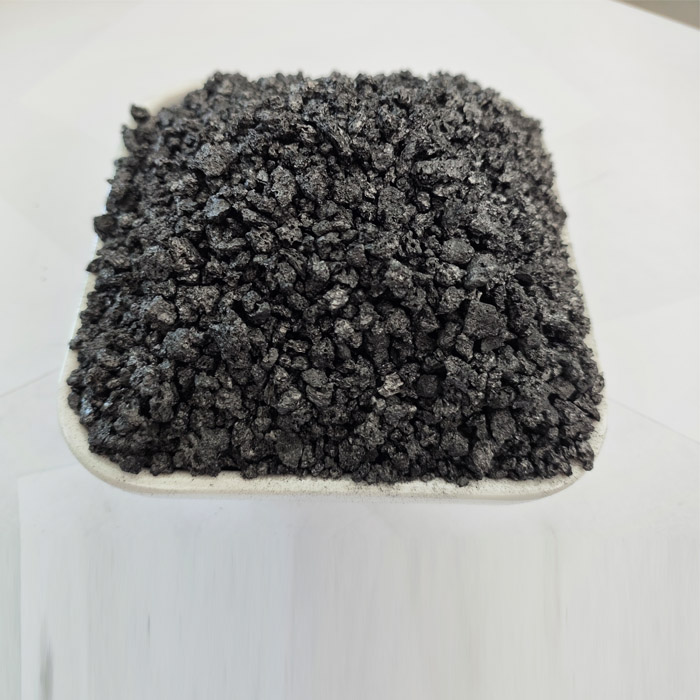
If you work in steel or iron melting, you already know how carbon control can make or break a shift. I’ve been in enough shops to see it first-hand: when the carbon climbs fast and clean, everything else just flows. That’s why Graphitized Petroleum Coke/Low Nitrogen Recarburiser has quietly become the go-to additive for teams chasing lower nitrogen and shorter tap-to-tap times.
What’s driving the trend
Foundries and mini-mills want faster carbon pick-up with fewer gas-related defects. Low-N is the lever. High-temperature graphitization (≈2800–3000°C) reorganizes the carbon lattice, slashes volatiles, and—crucially—keeps nitrogen around the 100–300 ppm range in finished additive. Many customers say the reduction in pinholes (especially in ductile/CGI) is the first thing they notice. To be honest, it’s hard to go back once you dial it in.
Origin and manufacturing
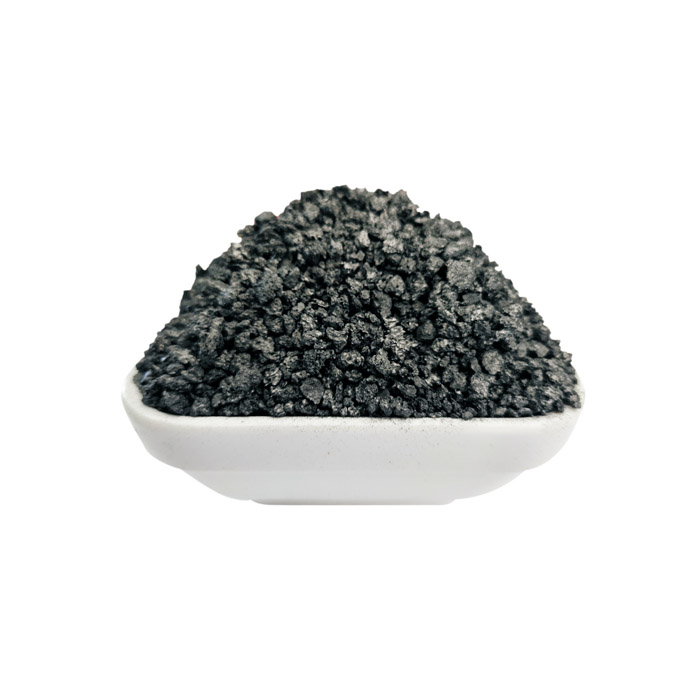
Source: No.3 Longyang South Road, Longgang Economic Development Zone, Xindu District, Xingtai, Hebei, China. The process—select high-purity petroleum coke, deep calcination, then Acheson-type graphitization. Afterward: crushing, multi-stage sieving, de-dusting, magnetic separation, and lot blending. Each batch is checked on LECO analyzers for C, S, N and cross-checked to ASTM/GB standards. Simple, but not easy.
Product specifications (typical)
| Parameter | Spec (≈typical) | Test method |
|---|---|---|
| Fixed Carbon | ≥ 98.5–99.5% | ASTM D5373 / GB/T 19143 |
| Nitrogen | ≤ 0.02% (≤ 200 ppm) | ASTM D5373 |
| Sulfur | ≤ 0.03–0.05% | ASTM D4239 |
| Ash | ≤ 0.3–0.5% | ASTM D3174 |
| Volatile Matter | ≤ 0.5% | ASTM D3175 |
| True Density | ≈ 2.05–2.15 g/cm³ | ISO 8004 |
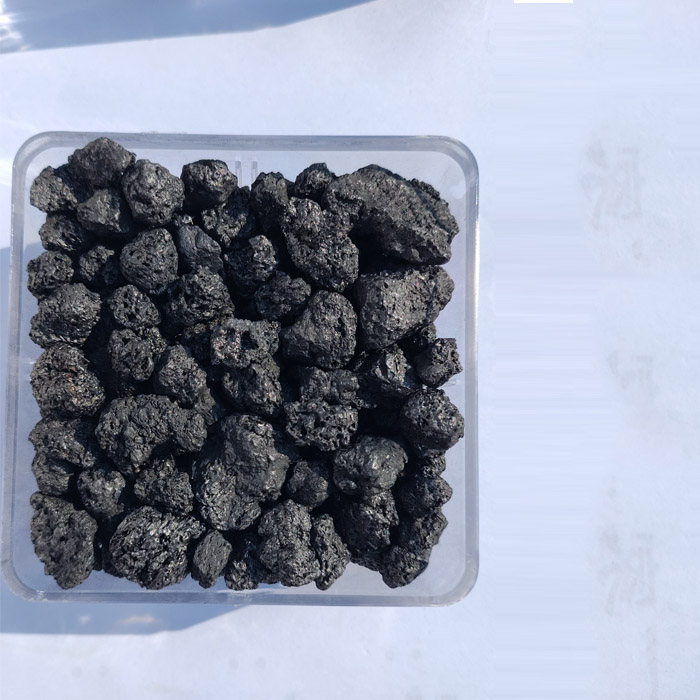
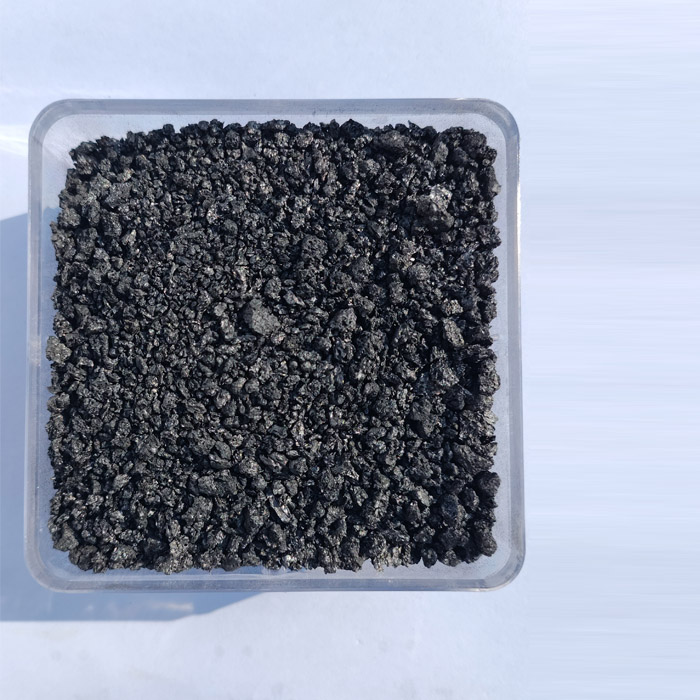
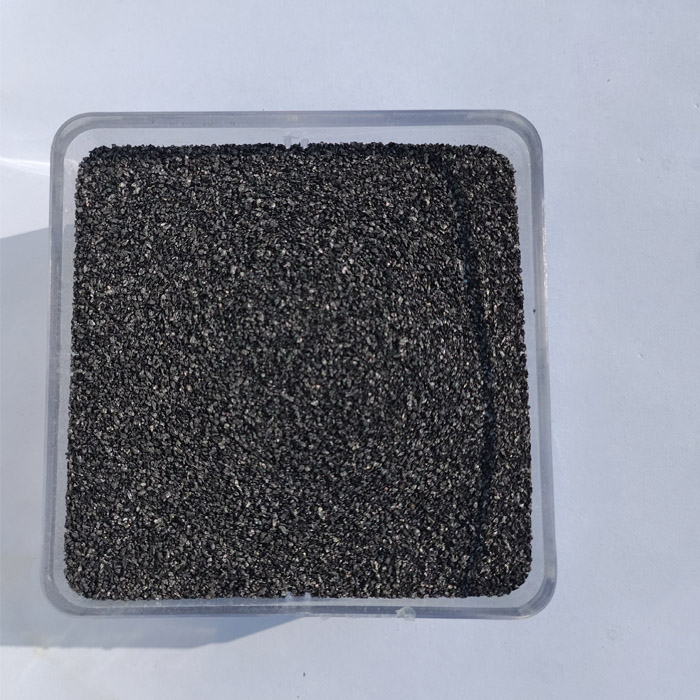
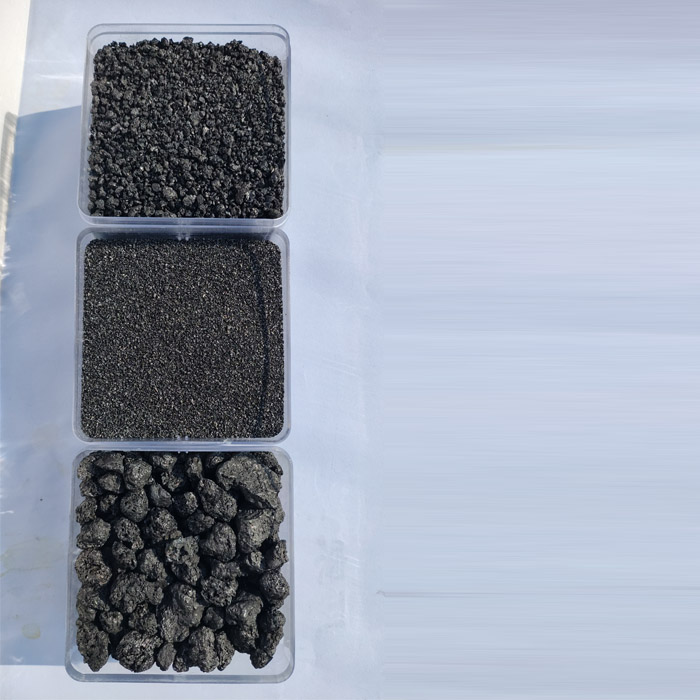
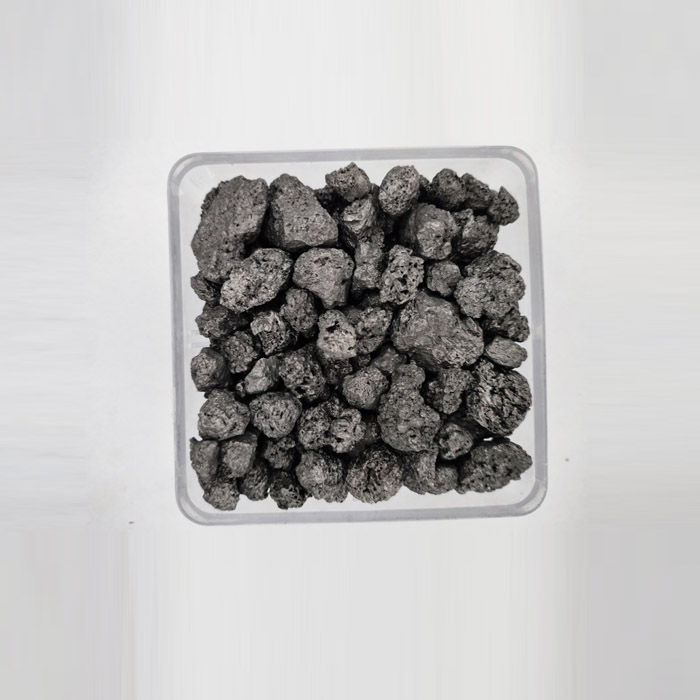
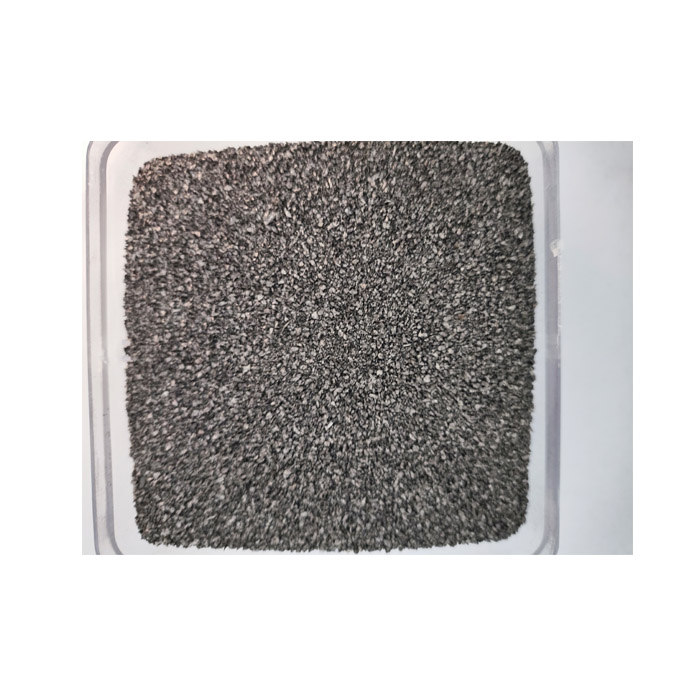
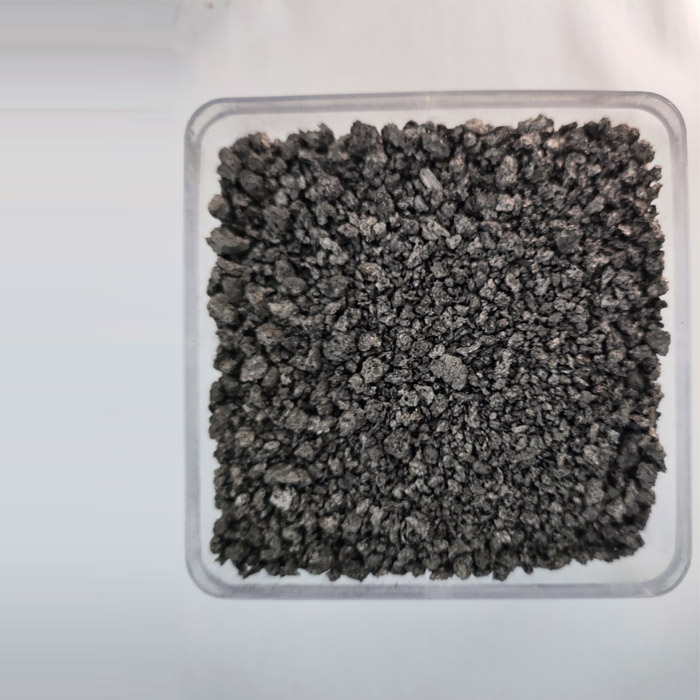
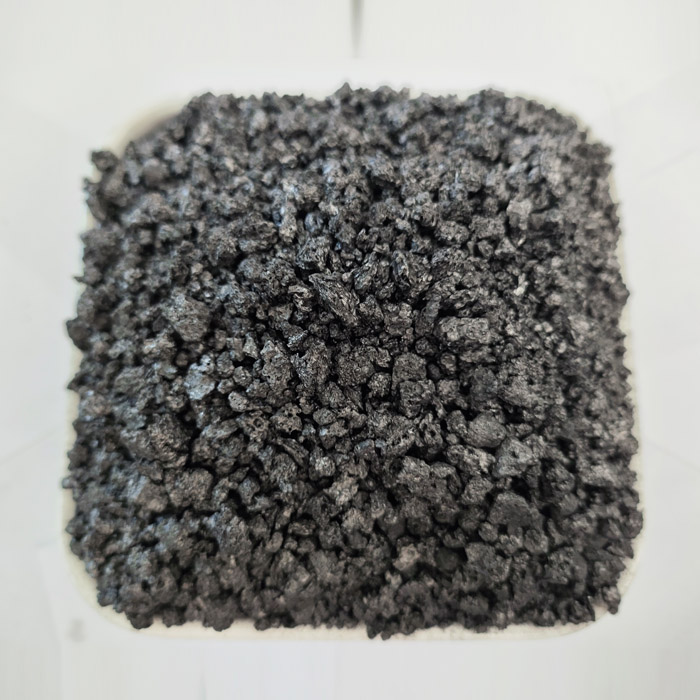
| Particle Size | 0.5–3 mm / 1–5 mm (custom) | Sieve analysis |
| Carbon Recovery | ≥ 92–96% (EAF/ladle) | Melt trial; mass balance |
Where it shines
- Steel: EAF and ladle trim; rapid carbonization with low N rise.
- Cast iron: ductile, CGI, and grey—fewer gas defects, cleaner microstructure.
- Alloys: bearings, EV motor housings, heat-resistant castings where low N matters.
Graphitized Petroleum Coke/Low Nitrogen Recarburiser dissolves fast; operators often report 30–60 seconds faster target-C in smaller ladles. Service life? It’s a consumable, of course, but storage life in dry conditions is around 12–18 months. Simple rule: keep it dry; it pays back.
Process, QA, and certifications
Materials: premium petroleum coke. Methods: calcination → graphitization → sizing → blending → anti-dust packaging (25 kg bags or 1 t jumbo). Testing: CHN (ASTM D5373), S (ASTM D4239), ash/VM (ASTM D3174/D3175). Certificates: ISO 9001 and, on larger programs, ISO 14001/45001 and EN 10204 3.1 lot reports. Real-world use may vary a bit by furnace chemistry—no surprise there.
Vendor snapshot: what differs in practice
| Vendor | Carbon Recovery | Nitrogen Spec | Lead Time | Customization | QC/Certs |
|---|---|---|---|---|---|
| Xingtai Luxi (origin) | ≈ 94–96% | ≤ 0.02% | 2–3 weeks | Sizing, low-S, water-resistant packs | ISO 9001; 3.1 reports |
| Trader A | ≈ 92–94% | ≤ 0.03% | 4–6 weeks | Limited | Basic COA |
| Brand B (foundry supplies) | ≈ 93–95% | ≤ 0.025% | 3–4 weeks | Moderate | ISO 9001/14001 |
Customization & usage tips
- Sizing: choose 0.5–3 mm for ladle trim; 1–5 mm for EAF charge.
- Target addition: 0.4–1.2% of metal weight (tune to recovery).
- Add early in EAF bucket or vortex in ladle for best absorption.
- Packing: 25 kg bags or 1 t jumbo; moisture barrier recommended.
Results we’ve seen (two quick cases)
Automotive foundry, SE Asia: switched to Graphitized Petroleum Coke/Low Nitrogen Recarburiser for ductile iron. Carbon recovery rose from 92% to 95%; radiographic pinholes fell ≈28% over 6 weeks. Operators liked the cleaner slag and, surprisingly, lower fume peaks.
Specialty steel mini-mill, EU: ladle trim time shortened by ~50 seconds per heat. Nitrogen in final steel stabilized at 45–60 ppm (from ~80 ppm), holding other inputs constant.
Customer feedback (informal but telling)
“Less nitrogen drama on Mondays.” “Carbon hits faster; melt deck is calmer.” I guess that’s what you want—predictability. And yes, the anti-dust packaging helps keep housekeeping off the critical path.
Test data snapshot
Typical lot (n=5): C 99.2% ±0.2; N 150–180 ppm; S 0.028% avg; ash 0.35%. Recovery at 1600°C ladle additions averaged 95.1% (±0.6). Data are indicative; real-world use may vary with slag chemistry and turbulence.
Citations
- ASTM D5373 – Standard Test Methods for Determination of Carbon, Hydrogen and Nitrogen in Coal and Coke.
- ASTM D4239 – Standard Test Methods for Sulfur in the Analysis Sample of Coal and Coke Using High-Temperature Tube Furnace Combustion.
- ISO 9001:2015 – Quality management systems — Requirements.
- GB/T 24535-2009 – Calcined petroleum coke (China National Standard).
- AFS (American Foundry Society) metalcasting practice notes on carbon additions (general guidance).
-
Professional Boiler Refractory Material Supplier for Industrial Efficiency
NewsApr.16,2026
-
How to Choose the Best refractory materials suppliers for Success
NewsApr.09,2026
-
Understanding Refractory Bricks Raw Materials for High Temperature Applications
NewsApr.07,2026
-
PLIbrico Refractory Materials Understanding Applications and Benefits
NewsApr.04,2026
-
Advancements in Reversible Thermal Expansion Refractory Materials for High Temperature Applications
NewsMar.31,2026
-
Comprehensive Guide to Refractory Kiln Lining Material Selection and Applications
NewsMar.28,2026