
Oct . 26, 2025 11:45 Back to list
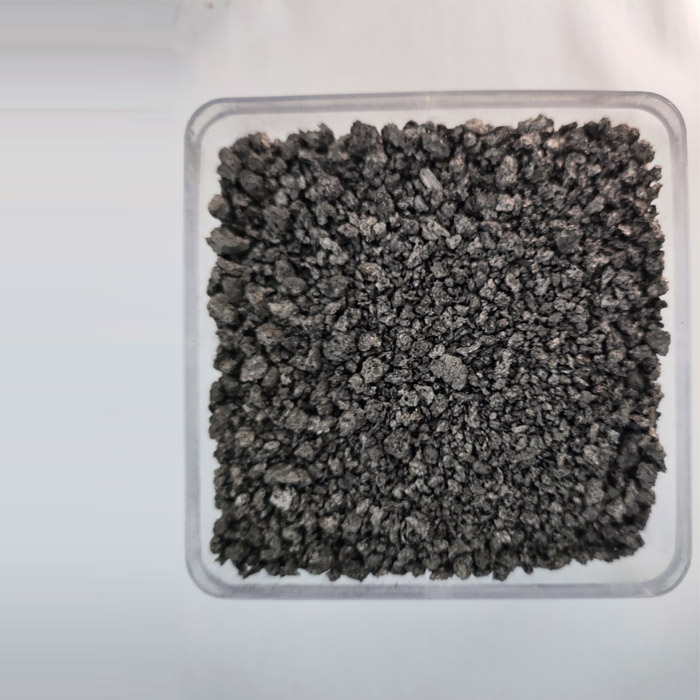
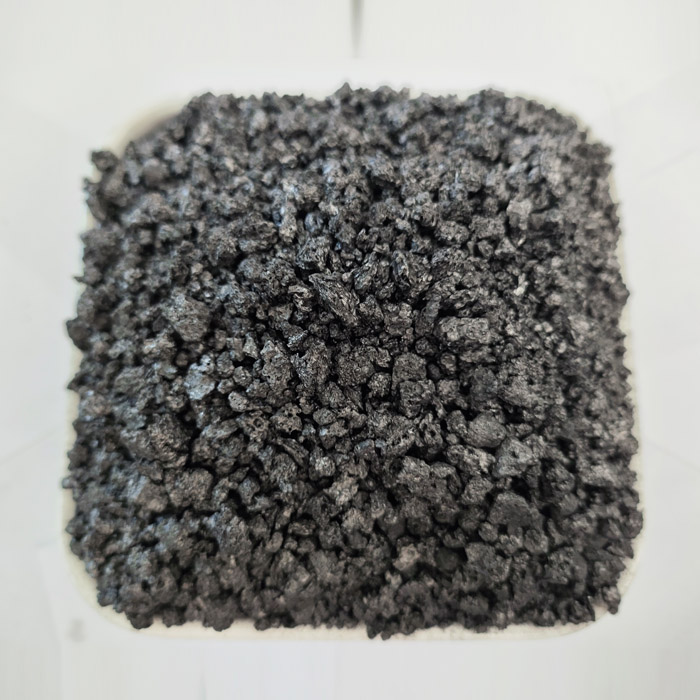
Graphitized Petroleum Coke/Low Nitrogen Recarburiser | Low S
Field Notes on Graphitized Petroleum Coke/Low Nitrogen Recarburiser: What Foundries Really Use
I’ve spent enough time in melt shops to know one thing: speed and cleanliness win. When steelmakers whisper about faster carbon pickup and fewer pinhole headaches, they’re usually talking about a low-N, high-purity recarburiser. From a plant in No.3 Longyang South Road, Longgang Economic Development Zone, Xindu District, Xingtai, Hebei, China, this material has been turning heads—mostly for how quickly it hits target C without dragging nitrogen along for the ride.
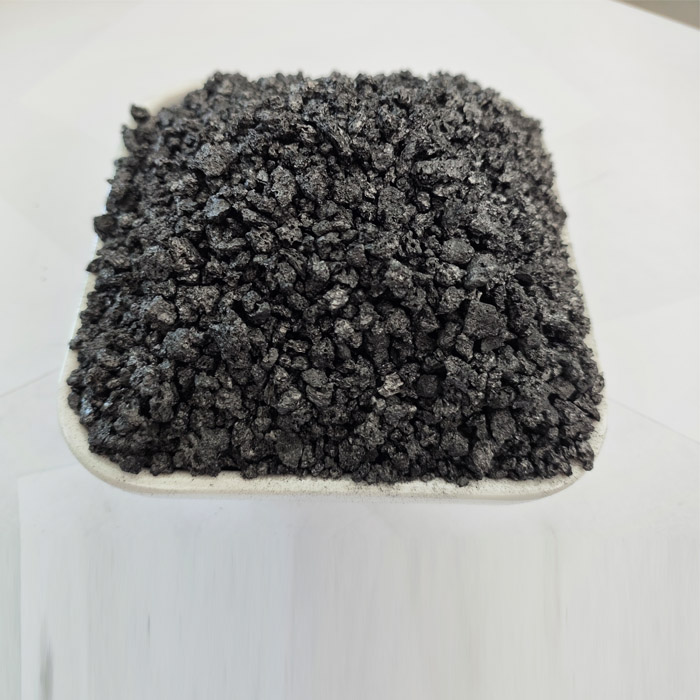
What’s changing in the industry
Three trends keep popping up: lower nitrogen limits (customers hate gas porosity), tighter sulfur caps, and quicker heat turns—especially in EAF shops. Decarbonization pressure is also nudging mills to optimize yield; a fast-absorbing, clean recarburiser helps a lot. Many customers say they’re switching from generic CPC to Graphitized Petroleum Coke/Low Nitrogen Recarburiser simply to shave minutes off the trim.
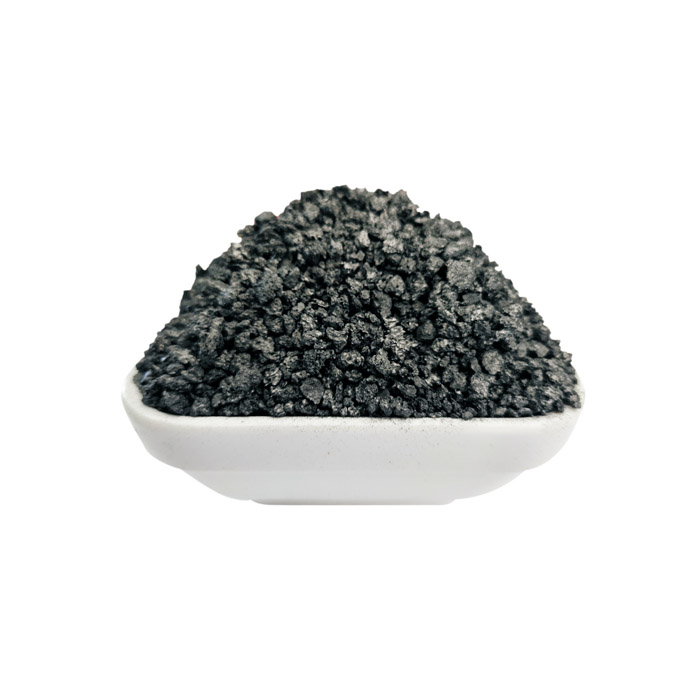
How it’s made (short version)
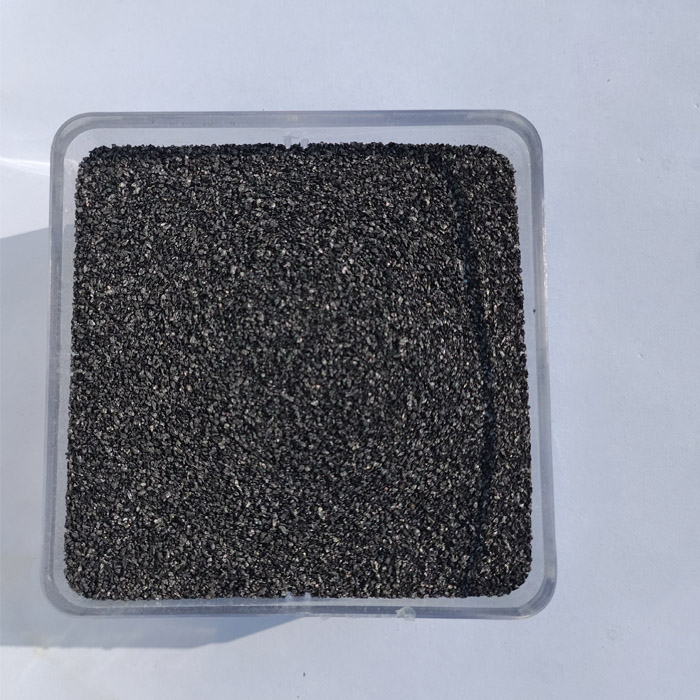
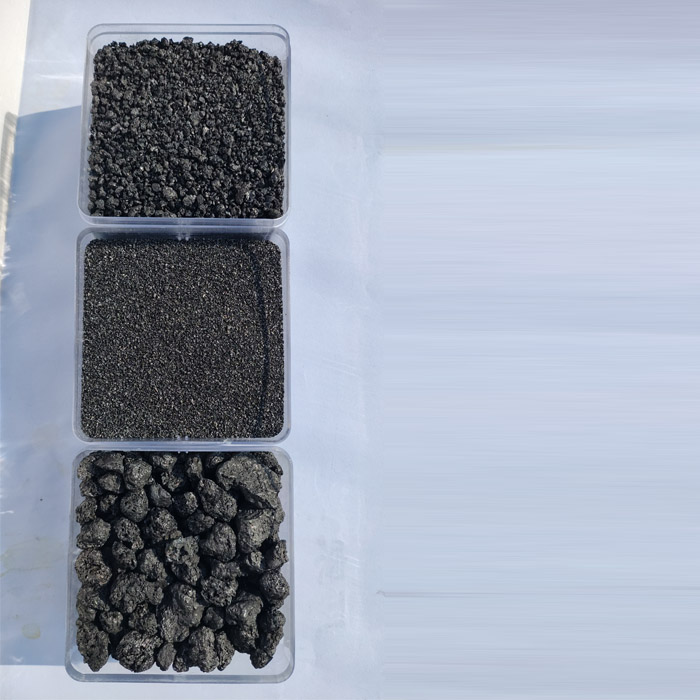
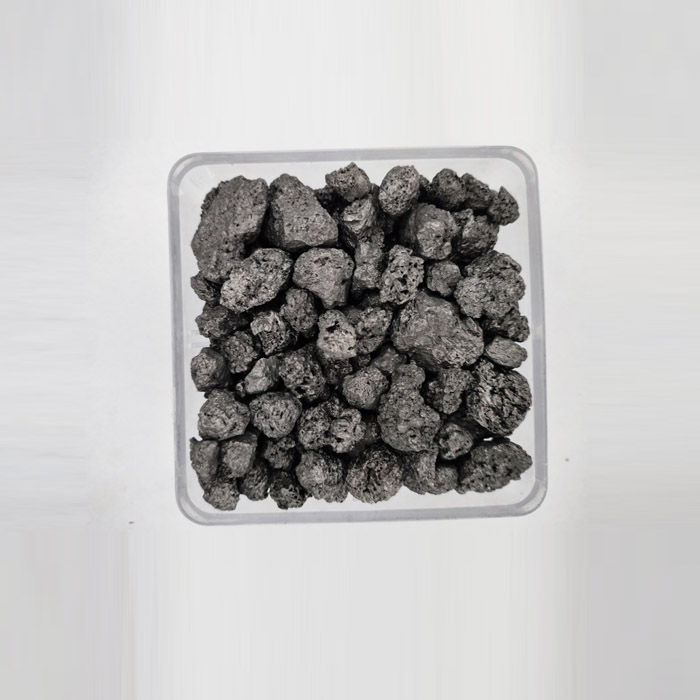
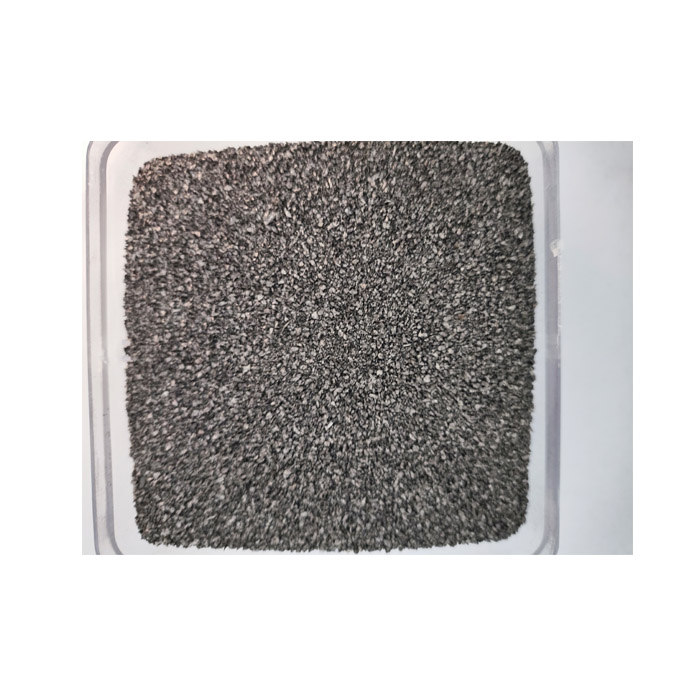
Feedstock: selected low-S petroleum coke. Process: calcination, then graphitization at ≈2800–3200°C to restructure carbon, drop volatile matter, and drive nitrogen toward very low ppm. Afterward: crushing, magnetic separation, precision sizing (0–1, 0.5–5, 1–5 mm, etc.), de-dusting, bagging or bulk. Testing follows ASTM/ISO methods (more below). In practice, nitrogen ends up around ≤0.015–0.03%, which is exactly why it’s popular in ductile iron and clean steels.
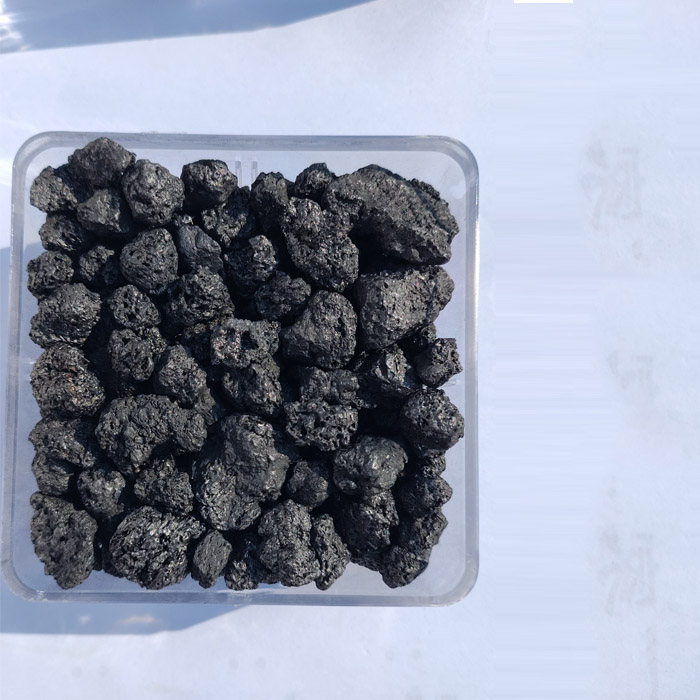
Typical product specifications (indicative)
| Fixed Carbon (FC) | ≥ 98.5–99.5% (≈ real-world 99.0%) |
| Sulfur (S) | ≤ 0.03–0.05% |
| Nitrogen (N) | ≤ 0.015–0.03% |
| Ash | ≤ 0.3–0.5% |
| Moisture | ≤ 0.5% |
| Sizes | 0–1 mm, 0.5–5 mm, 1–5 mm, custom |
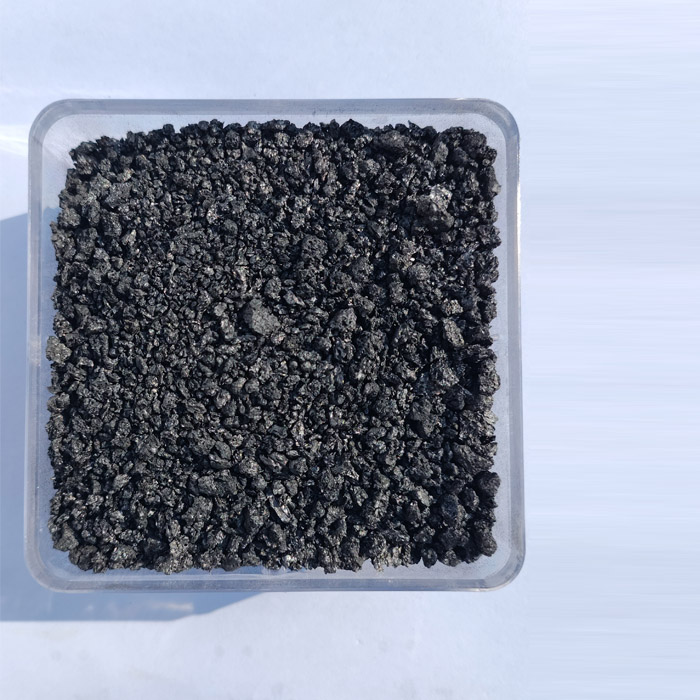
Where it’s used and why it works
- EAF steel: bottom charge or early melt for fast C pickup and clean chemistry.
- Gray/ductile iron: base iron carbon correction with low N to avoid pinholes.
- Ladle trim: last-minute correction with high absorption (many shops report 92–95%).
Advantages? Strong carbonization ability (quicker to reach target C → shorter cycle), less slag interaction, and lower defect rates tied to nitrogen. Honestly, the speed is what operators mention first.
Vendor snapshot (indicative comparison)
| Supplier | FC | N | S | Certs | Notes |
|---|---|---|---|---|---|
| Xingtai Luxi (this product) | ≈99.0–99.5% | ≤0.03% | ≤0.03–0.05% | ISO 9001 (typical) | High absorption; steady sizing |
| Generic A (CPC) | 97–98% | 0.05–0.10% | ≤0.5% | Varies | Slower pickup; higher N |
| Generic B (mixed) | 98–99% | 0.03–0.06% | ≤0.1% | Some | Inconsistent sizing |
Customization, testing, and data
Custom options: FC bands, ultra-low N, tighter S, and special sizes for pneumatic injection. Typical tests: moisture (ASTM D4931), sulfur (ASTM D5709), ash (ASTM D4422), nitrogen by chemiluminescence (ASTM D5762 adapted), real density by helium (ISO 10143). Recent lot I reviewed: FC 99.1%, S 0.03%, N 0.015%, ash 0.25%, moisture 0.2%.
Case study (ductile iron, North China)
Switched to Graphitized Petroleum Coke/Low Nitrogen Recarburiser in base iron at 0.9% addition. Results after 6 weeks: carbon yield +1.5%, carbonization time −2 min/heat, N-related pinholes −30%. “Cleaner base, calmer ladle,” the QC engineer told me, a bit surprised it was that straightforward.
Usage and handling (quick guide)
- Bottom charge: 0.5–1.5% of melt (foundry practice may vary).
- Ladle trim: 0.10–0.30% for fine correction.
- Keep dry; use sealed bags or silos. Shelf life ≈ 24 months if moisture is controlled.
Certifications and documentation
COA per lot, ISO 9001 QMS, and test reports aligned to ASTM/ISO methods. EHS notes: low volatile content; standard PPE and dust control apply. Honestly, the paperwork is tidy—helps during vendor audits.
Authoritative citations
- ASTM D4931 – Standard Test Method for Determination of Moisture in Calcined Petroleum Coke.
- ASTM D5709 – Standard Test Method for S in Petroleum Coke (High-Temperature Combustion).
- ISO 10143 – Carbonaceous materials—Calcined coke—Determination of real density by helium pycnometry.
- World Steel Association, Short Range Outlook and decarbonization updates, 2024.
-
Professional Boiler Refractory Material Supplier for Industrial Efficiency
NewsApr.16,2026
-
How to Choose the Best refractory materials suppliers for Success
NewsApr.09,2026
-
Understanding Refractory Bricks Raw Materials for High Temperature Applications
NewsApr.07,2026
-
PLIbrico Refractory Materials Understanding Applications and Benefits
NewsApr.04,2026
-
Advancements in Reversible Thermal Expansion Refractory Materials for High Temperature Applications
NewsMar.31,2026
-
Comprehensive Guide to Refractory Kiln Lining Material Selection and Applications
NewsMar.28,2026