
Oct . 01, 2025 11:30 Back to list
Graphitized Petroleum Coke/Low Nitrogen Recarburiser—Low N?
Why steelmakers are moving to Graphitized Petroleum Coke/Low Nitrogen Recarburiser
In the last two years, a quiet shift has been happening in melt shops: tighter nitrogen caps, faster tap-to-tap, fewer pinholes. To be honest, it’s partly regulation, partly cost pressure. And the workhorse behind it, more often than not, is a low-N, high-purity recarburiser. Many customers say they get the target C in one shot, which is exactly what a busy furnace crew wants.
What it is and why it matters
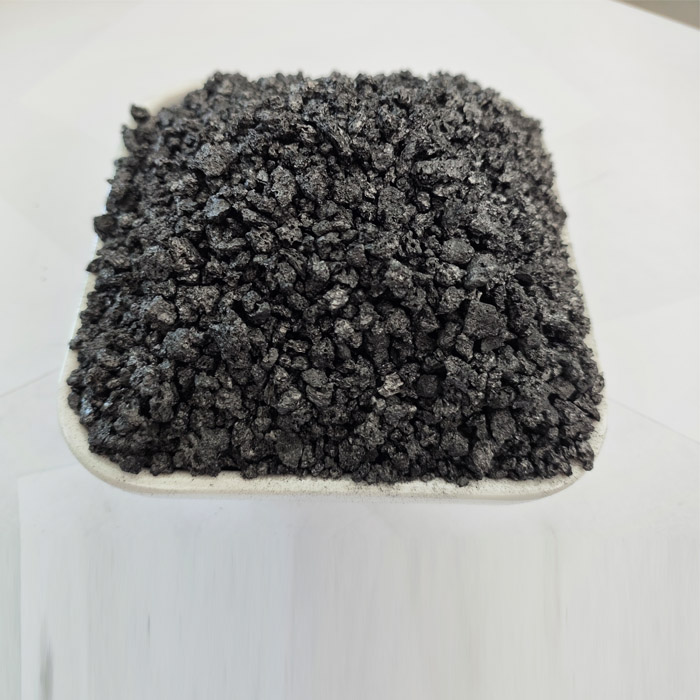
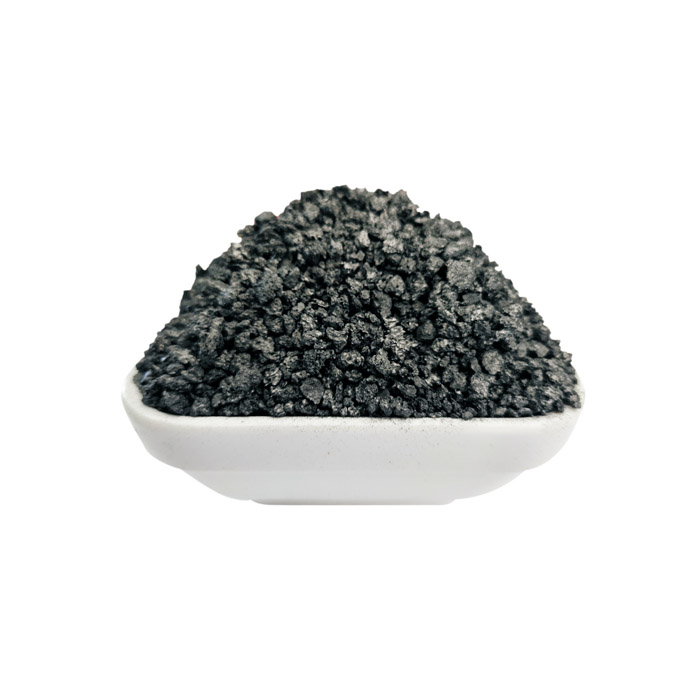
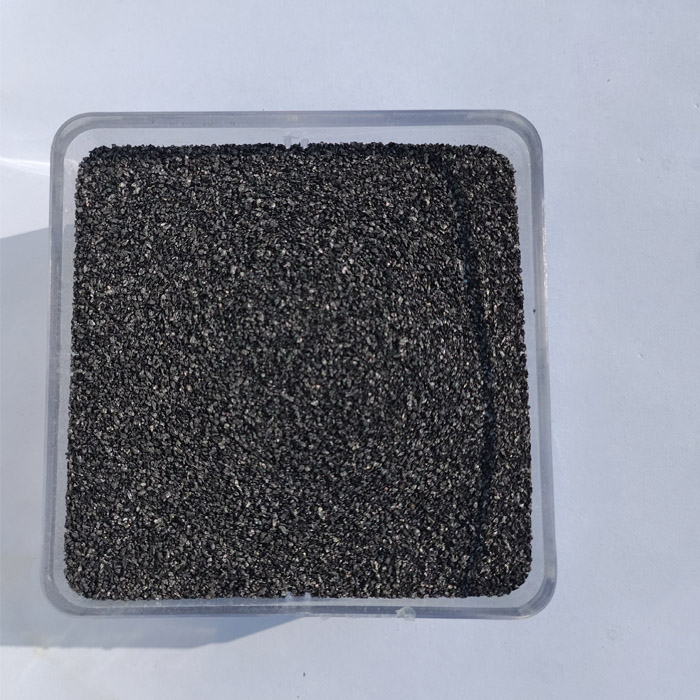
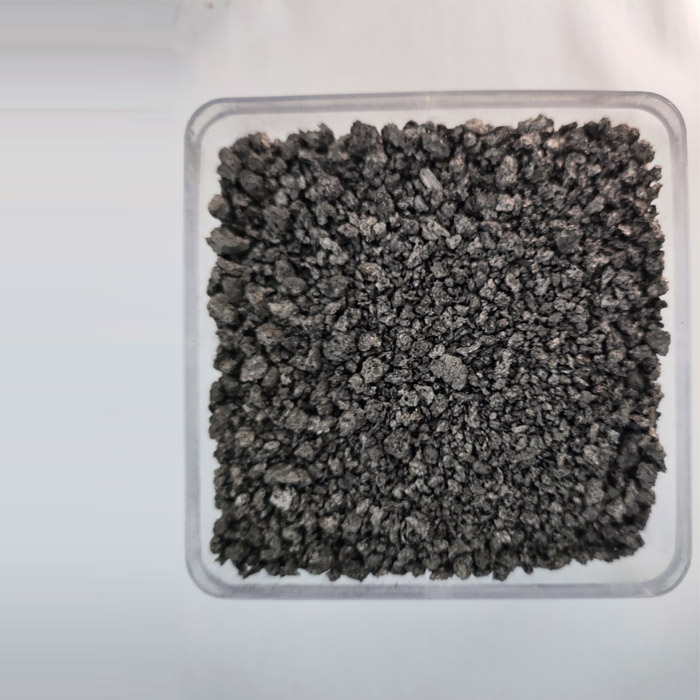
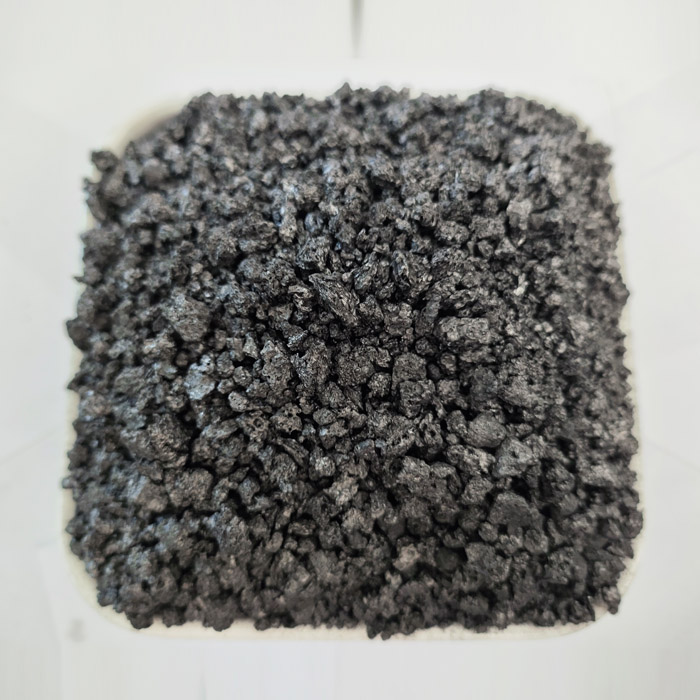
Graphitized Petroleum Coke/Low Nitrogen Recarburiser is a graphitized carbon additive with ultra-low nitrogen and sulfur. The big win: rapid carbonization. Add it at charge or in-ladle, hit the carbon spec quickly, and trim your production cycle. In fact, several foundries report smoother inoculation results when base C is dialed in fast and clean.
Typical specifications
| Parameter | Typical | Test method |
|---|---|---|
| Fixed Carbon | ≥99.0% | ASTM D3172 |
| Sulfur (S) | ≤0.05% | ASTM D4239 |
| Nitrogen (N) | ≤200–300 ppm | LECO, ASTM E1019 |
| Ash | ≤0.5% | ASTM D3174 |
| Volatile Matter | ≤0.7% | ASTM D3175 |
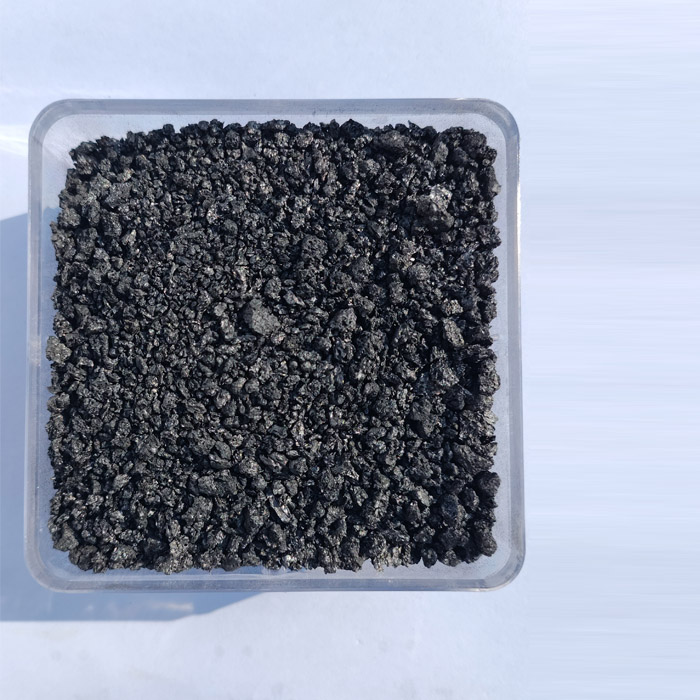
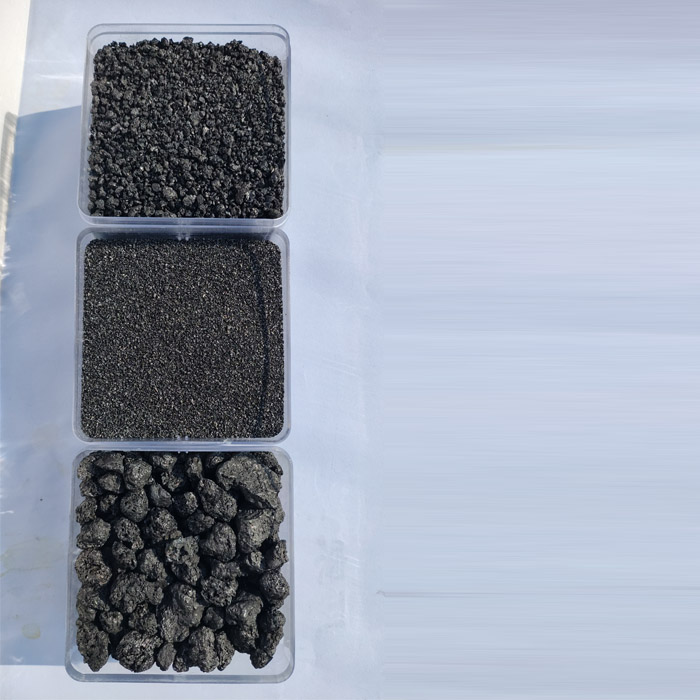
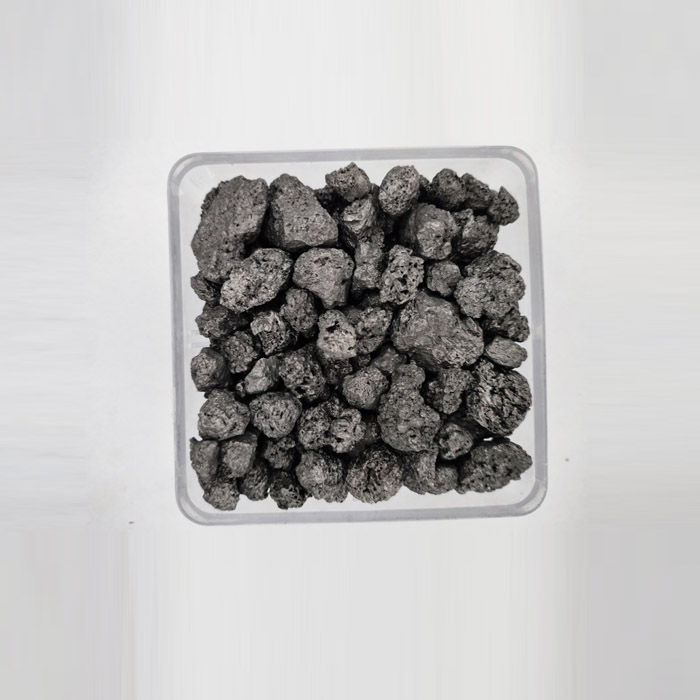
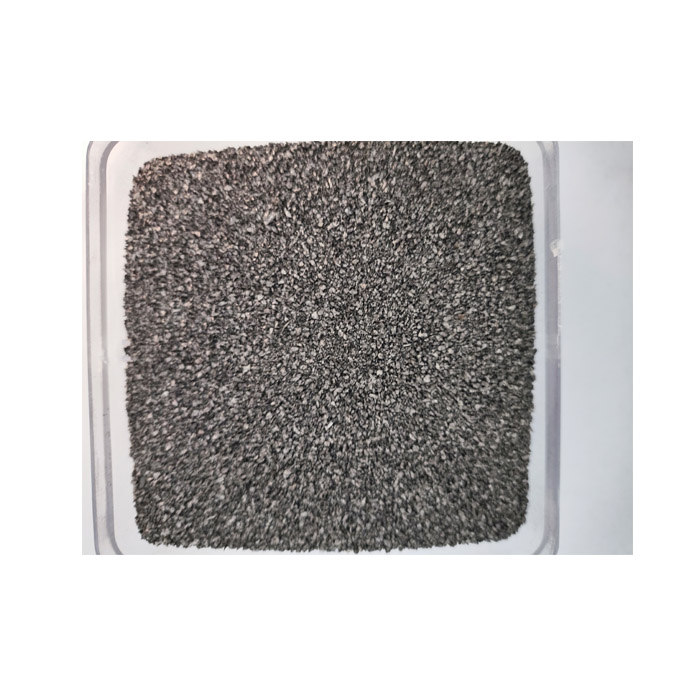
| Size | 0–1, 1–3, 1–5 mm | Sieve per ISO 3310 |
Note: real-world results ≈ furnace design, charge mix, and addition practice.
Process flow and QC
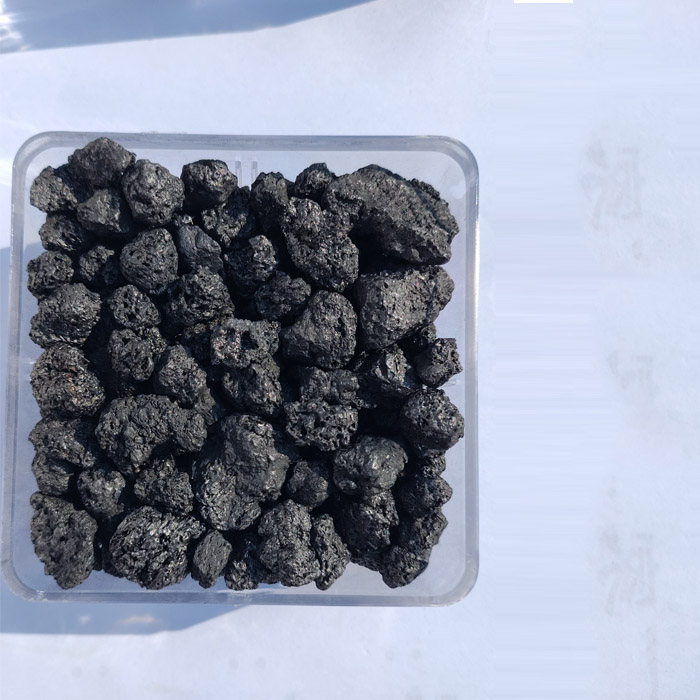
Feedstock: low-S, low-metal CPC → High-temp graphitization (≈2800–3000°C, Acheson/LWG) → Crushing & screening → Magnetic removal → Dedusting → Packaging (PE-lined bags, big-bags) → Batch testing. Dissolution in iron/steel typically 60–180 s with >90% recovery when added early, which, I guess, is why operators like it.
Applications and benefits
- Steelmaking: EAF/IF ladle trim; faster reach to carbon spec, lower N pickup.
- Cast iron: DI and CGI base carbon control; fewer pinholes/veining.
- Industries: automotive castings, rail, pumps/valves, wind power hubs.
Graphitized Petroleum Coke/Low Nitrogen Recarburiser often cuts tap-to-tap by 3–7% and trims inoculant overuse. Service life? It’s consumable, but the shelf life is around 12 months if kept dry.
Customization, packaging, and safety
Custom sizes (0–0.5 to 5–10 mm), target N levels, and low-S grades are common asks. Packaging: 25 kg bags, 1 t FIBCs with moisture barriers. Certifications: ISO 9001/14001; RoHS/REACH statements available on request. Dust control per AFS best practice; use LEV and PPE.
Quick vendor comparison
| Vendor | C% | S% | N (ppm) | Lead time | Notes |
|---|---|---|---|---|---|
| Xingtai Luxi (Hebei) | ≥99.0 | ≤0.05 | ≤200–300 | 7–15 days | Tight sizing; steady QC |
| Supplier A (generic) | ≥98.5 | ≤0.1 | ≤500 | 10–20 days | Budget option |
| Supplier B (generic) | ≥99.2 | ≤0.05 | ≤300 | 15–25 days | Premium pricing |
Case notes and test data
Mini-mill (200 t EAF): switched to Graphitized Petroleum Coke/Low Nitrogen Recarburiser, cycle time down 6.2%, N in melt fell from 110 to 65 ppm. Ductile iron shop: base C correction improved recovery from 84% to 92%, porosity rejects down ~30%. Lab data (sample lot): C 99.1%, S 0.04%, N 210 ppm, Ash 0.35%, size 1–3 mm.
How to add (quick guide)
- Induction furnace: add early with returns for best dissolution.
- Ladle trim: add before alloying; stir or argon bubble if available.
- Target 0.8–1.2% of heat mass depending on charge; adjust by recovery.
Origin: No.3 Longyang South Road, Longgang Economic Development Zone, Xindu District, Xingtai, Hebei, China. It seems logistics from Hebei are pretty efficient into main seaports, which helps lead times.
Standards and references
- ASTM D3172/D3174/D3175 – Proximate analysis of solid carbon materials.
- ASTM D4239 – Sulfur in combustion residues; ASTM E1019 – N by inert gas fusion.
- ISO 3310 – Test sieves; ISO 9001/14001 – QMS/EMS certification frameworks.
- AFS Casting Defect Atlas – Gas porosity and nitrogen-related defects guidance.
- EN 10204 – Inspection documents for metallic products (material certs).
-
Professional Boiler Refractory Material Supplier for Industrial Efficiency
NewsApr.16,2026
-
How to Choose the Best refractory materials suppliers for Success
NewsApr.09,2026
-
Understanding Refractory Bricks Raw Materials for High Temperature Applications
NewsApr.07,2026
-
PLIbrico Refractory Materials Understanding Applications and Benefits
NewsApr.04,2026
-
Advancements in Reversible Thermal Expansion Refractory Materials for High Temperature Applications
NewsMar.31,2026
-
Comprehensive Guide to Refractory Kiln Lining Material Selection and Applications
NewsMar.28,2026