
High-Performance Graphitized Petroleum Coke Solutions for Ecuador's Metallurgy

Optimizing ferroalloy smelting and steel production in the Ecuadorian market with premium carbon and refractory materials.

High-Performance Graphitized Petroleum Coke Solutions for Ecuador's Metallurgy

Providing specialized metallurgical materials to enhance the efficiency and purity of ferroalloy smelting across the industrial hubs of Ecuador.

Current State of Ferroalloy Smelting in Ecuador

Analyzing the impact of geography and economic shifts on metallurgical raw material demand.

The metallurgical landscape in Ecuador is characterized by a strategic focus on diversifying industrial output. Due to the Andean topography and coastal logistics, the procurement of high-quality metallurgical material is often influenced by shipping costs and regional availability, forcing local smelters to seek high-efficiency additives.

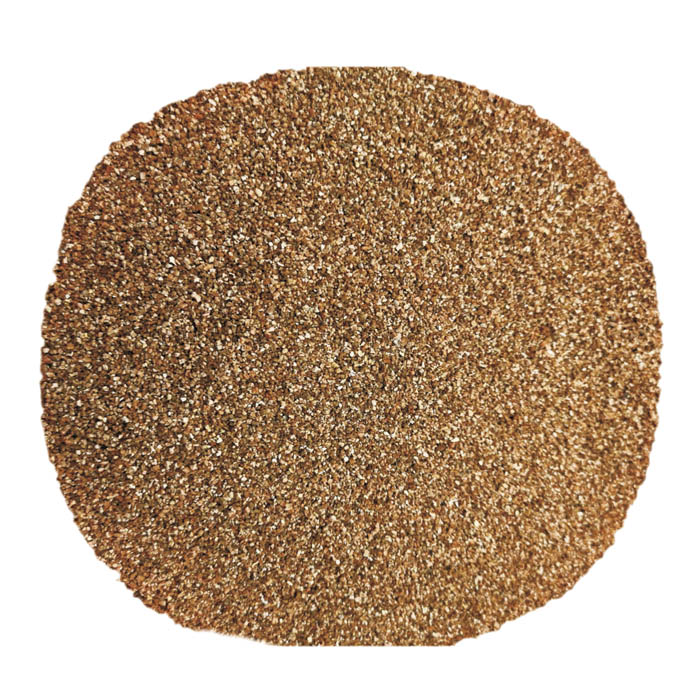
Currently, the industry faces a critical transition toward reducing impurities in steel production. The adoption of premium carbon raiser has become essential for local foundries aiming to meet international quality standards for export-grade alloys, particularly in the construction and energy sectors.

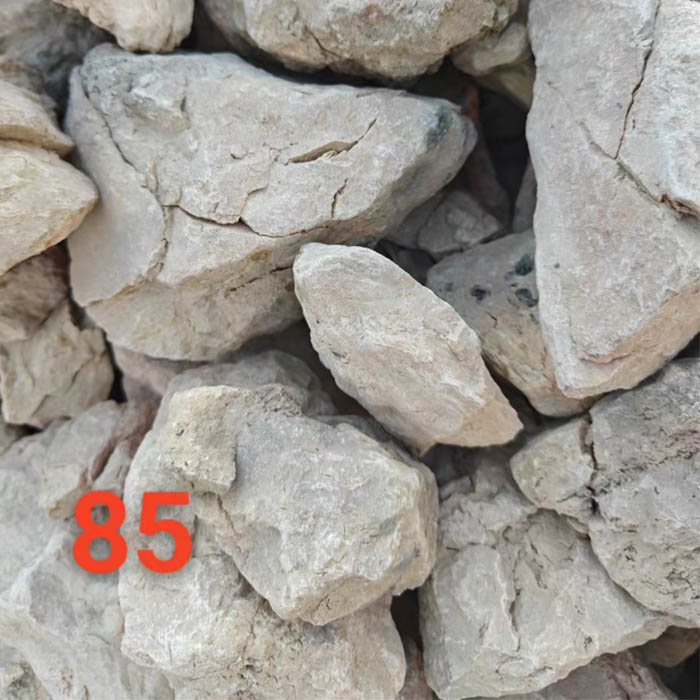
Environmental regulations in Ecuador are tightening, pushing the industry away from traditional low-grade coal toward specialized materials like calcined bauxite to improve furnace lining durability and thermal efficiency in harsh operating environments.
Evolution and Development Trajectory of Ecuadorian Metallurgy

From basic smelting to precision carbon management.

Market Development History

In the early 2000s, the Ecuadorian metallurgy sector relied heavily on raw ores and basic carbon sources, with limited control over phosphorus and sulfur levels during the smelting process.

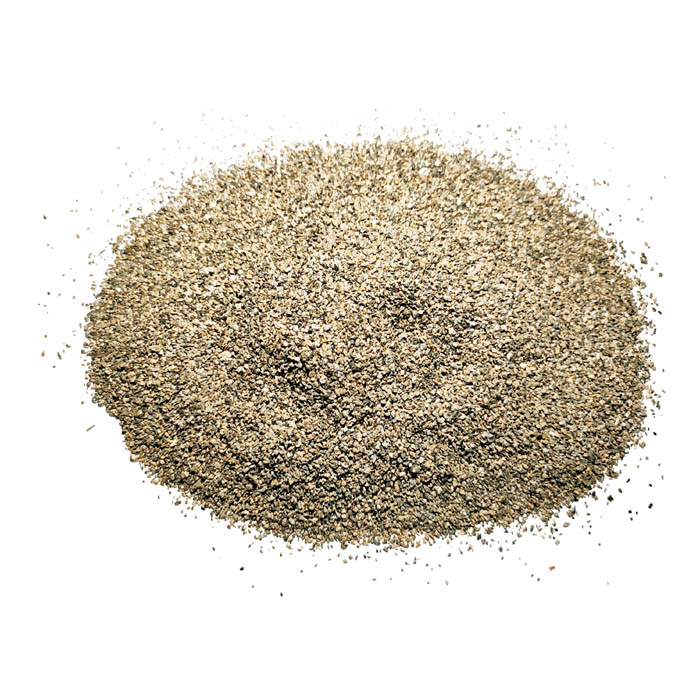
Between 2010 and 2020, there was a significant shift toward specialized alloy production. The introduction of refined graphitized petroleum coke allowed for better electrical conductivity in furnaces, reducing energy consumption across regional plants.

Recently, the focus has shifted to the downstream value chain, where the production of high-tensile steel wire rod has demanded more precise metallurgical inputs to ensure structural integrity and fatigue resistance.

Future Development Trends

Decarbonization of Smelting

The industry is moving toward low-emission carbon additives that provide higher yields with lower CO2 output, aligning with South American green energy goals.

Precision Alloying

Expect a surge in the use of nano-structured carbon raisers to achieve exact chemical compositions in specialty steels.

Advanced Refractory Integration

Increased integration of high-alumina materials derived from calcined bauxite to extend the lifecycle of electric arc furnaces.

Industry Trends and Future Outlook

Forecasting the next 3-5 years of metallurgical innovation in the region.

Energy Efficiency Optimization
Shift toward high-conductivity carbon materials to reduce kilowatt-hour consumption per ton of alloy.
Purity Standardization
Increased demand for ultra-low sulfur carbon sources to improve the ductility of steel products.
Circular Economy Integration
Implementing scrap metal recycling enhanced by high-performance additives to reduce ore dependency.
Digitalized Material Tracking
Using AI to optimize the mix of carbon raisers based on real-time melt analysis.

Industry Outlook

Based on search trends and industrial growth in South America, Ecuador is expected to increase its reliance on imported high-purity carbon materials to support its expanding infrastructure projects.

The synergy between advanced metallurgical material and automated smelting will likely define the competitive edge of Ecuadorian steel mills by 2028.

Localized Application Scenarios in Ecuador

Practical implementation of our materials in the Ecuadorian industrial landscape.

1. High-Strength Infrastructure Steel

Utilizing premium steel wire rod for seismic-resistant building reinforcement in Quito and Guayaquil, requiring precise carbon control.

2. Specialized Ferroalloy Smelting

Application of graphitized petroleum coke in electric arc furnaces to produce high-purity silicon and manganese alloys for regional export.

3. Furnace Refractory Maintenance

Integrating calcined bauxite into the lining of smelting furnaces to withstand the high thermal loads of continuous industrial operations.

4. Automotive Component Casting

Using high-efficiency carbon raiser to optimize the casting of engine components and chassis parts for the local automotive assembly sector.

5. Industrial Tool Steel Production

Implementing a combination of specialized metallurgical materials to create wear-resistant tool steels for Ecuador's agricultural machinery industry.

Brand Story

Global Development History of Xingtai Luxi Environmental Technology Co., Ltd.

Founding Vision

Established with the mission to solve the conflict between high-capacity metallurgy and environmental sustainability.

Technical Breakthrough

Perfected the graphitization process of petroleum coke to deliver unmatched purity for global smelting plants.

Global Expansion

Expanded logistics networks into South America, ensuring seamless delivery of critical materials to Ecuador.

Sustainable Innovation

Developed low-emission carbon raisers that help clients meet strict ESG targets without sacrificing yield.

Industry Leadership

Recognized as a leading partner for ferroalloy plants worldwide, providing integrated material solutions.

Comprehensive Metallurgical Product Portfolio for Ecuador

A one-stop supply chain for high-purity carbon and refractory materials.

Frequently Asked Questions - Ecuador Metallurgy

Expert answers to common technical and logistical queries.

How does high-quality carbon raiser improve steel yield in Ecuador?

High-quality carbon raisers provide consistent carbon recovery rates, reducing the amount of material needed to achieve the target chemical composition and minimizing slag formation.

What are the benefits of using graphitized petroleum coke over traditional coke?

Graphitized petroleum coke offers significantly higher electrical conductivity and lower sulfur content, which optimizes energy use in electric arc furnaces and improves the purity of the final alloy.

Can calcined bauxite extend the lifespan of smelting furnaces?

Yes, calcined bauxite provides superior thermal stability and resistance to chemical erosion, which protects the furnace lining from premature wear in high-temperature environments.

What standards do your steel wire rod materials meet for construction?

Our materials are designed to support the production of steel wire rods that meet international ASTM and ISO standards, ensuring high tensile strength and ductility for seismic zones.

How is metallurgical material shipped to Ecuadorian ports?

We utilize specialized moisture-proof bulk packaging and containerized shipping to ensure that materials arrive at Guayaquil or Manta ports without contamination.

Which metallurgical material is best for reducing sulfur in alloys?

Ultra-low sulfur graphitized petroleum coke is the most effective choice for removing impurities and ensuring the high-quality finish of the metal.

Get Expert Metallurgical Support

Partner with the leading supplier of ferroalloy materials in Ecuador to optimize your production efficiency.

Contact Us Now

If you are interested in our products, you can choose to leave your information here, and we will be in touch with you shortly.