
Feb . 25, 2026 01:55 Back to list
Optimizing Industrial Processes with Refractory Materials from Stage
Understanding Refractory Materials from Stage
The selection of appropriate refractory materials is critical for the longevity and efficiency of high-temperature industrial processes. Choosing the right material, considering its application "from stage" – meaning from initial design and installation through to operational use and eventual replacement – is paramount. This article will explore the key considerations when selecting refractory materials, the different types available, common applications, and best practices for ensuring optimal performance and cost-effectiveness. We will focus on understanding how materials behave in different stages of use and how to choose the right solution for your specific needs.
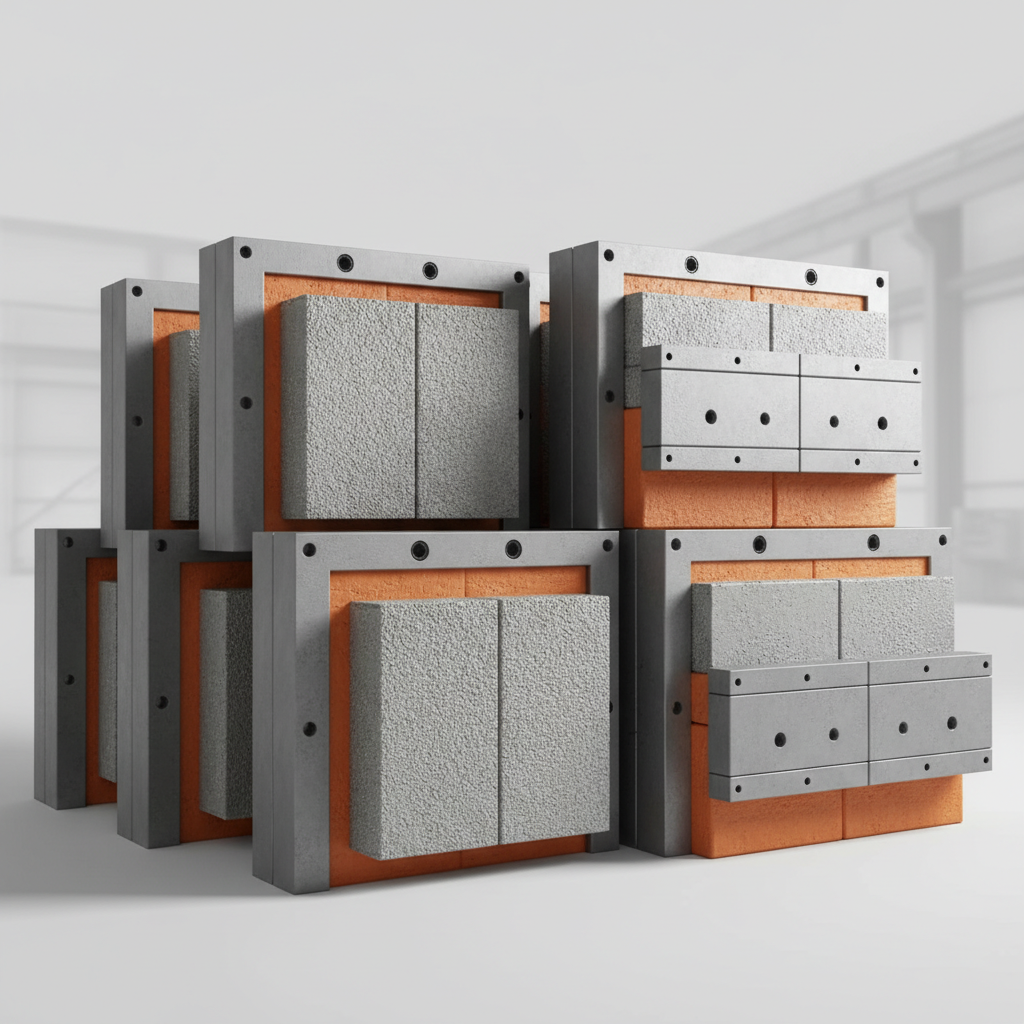
What are Refractory Materials?
Refractory materials are heat-resistant materials designed to withstand extremely high temperatures without significant deformation or degradation. These materials are essential in industries such as steelmaking, cement production, glass manufacturing, and power generation. They line furnaces, kilns, and incinerators, protecting the structural integrity of these systems and maximizing energy efficiency. The term "refractory" comes from the Latin word "refractarius," meaning resistant or stubborn, aptly describing their ability to withstand intense heat.
Key Characteristics: High melting point, chemical stability at high temperatures, low thermal conductivity, resistance to thermal shock, and mechanical strength even at elevated temperatures.
Types of Refractory Materials
Refractory materials are categorized based on their chemical composition and performance characteristics. The most common types include:
- Alumina (Al2O3): Excellent resistance to abrasion and corrosion, commonly used in steelmaking.
- Silica (SiO2): Good thermal shock resistance, suitable for glass furnaces.
- Magnesia (MgO): High refractoriness and resistance to basic slag, ideal for steel furnaces.
- Chromite (FeCr2O4): Good resistance to slag attack and thermal spalling.
- Carbon (C): Excellent thermal shock resistance and high strength, often used in blast furnaces.
Refractory Materials from Stage: Application-Specific Selection
Selecting the correct refractory materials from stage requires a thorough understanding of the application’s specific requirements. Factors to consider include the operating temperature, chemical environment, mechanical stresses, and thermal cycling. For example, a cement kiln experiences different stresses than a steel refining furnace. A detailed analysis of these factors will ensure optimal performance and minimize downtime.
Key Considerations for Material Selection:
• Operating Temperature: The maximum temperature the material will be exposed to.
• Chemical Atmosphere: The presence of corrosive gases or liquids.
• Mechanical Stress: Load-bearing capacity and resistance to abrasion.
• Thermal Cycling: The frequency and severity of temperature fluctuations.
Comparison of Common Refractory Materials
The following table provides a comparison of some common refractory materials based on key properties. This information can help guide the initial stages of material selection.
Long-Term Performance and Maintenance
Even with careful material selection, refractory linings degrade over time. Regular inspection and maintenance are essential for maximizing lifespan and preventing catastrophic failure. This includes visual checks for cracking, spalling, and erosion. Implementing a preventative maintenance program, including periodic repairs and relining, will significantly reduce operational costs and downtime.
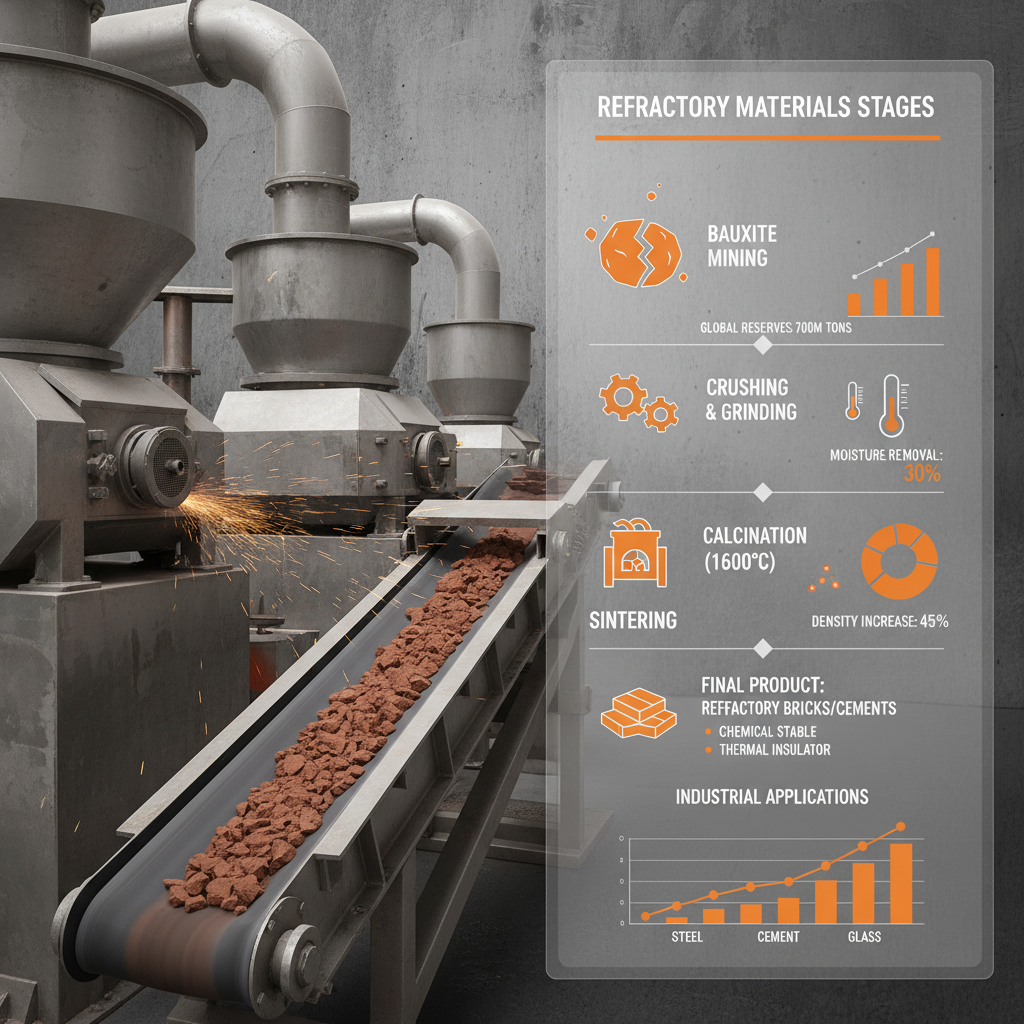
Conclusion: Optimizing Refractory Performance
Selecting the right refractory materials from stage is a critical investment that directly impacts the efficiency, safety, and longevity of high-temperature industrial processes. By understanding the different material types, carefully considering application-specific requirements, and implementing a robust maintenance program, businesses can maximize the value of their refractory linings and minimize operational costs. Contact Xingtai LuXi Refractory Co., Ltd. for expert advice and high-quality refractory solutions.
Frequently Asked Questions (FAQs)
What factors contribute to refractory material failure?
Several factors can lead to refractory material failure, including thermal shock (rapid temperature changes), chemical attack from corrosive substances, mechanical abrasion from material flow, and erosion from gas or liquid impingement. The specific failure mechanism depends on the application and the material's properties. Regular inspection and preventative maintenance can help identify and address these issues before they lead to significant damage. Proper installation and adherence to manufacturer's guidelines are also critical in preventing premature failure. Selecting a material specifically designed to resist the anticipated stresses is paramount.
How often should refractory linings be inspected?
The frequency of inspections depends on the severity of the operating conditions and the criticality of the process. Generally, a visual inspection should be conducted at least quarterly, and a more detailed inspection should be performed annually. Any signs of cracking, spalling, or erosion should be investigated immediately. For critical applications, continuous monitoring of temperature and shell integrity may be warranted. Detailed records of inspections and repairs should be maintained to track the lining's performance and identify potential issues.
What is the role of installation in refractory performance?
Proper installation is crucial for achieving optimal refractory performance. This includes ensuring correct brick patterns, proper joint filling, and adequate curing time. Incorrect installation can create stress points and weaken the lining, leading to premature failure. It’s highly recommended to use experienced refractory installers who are familiar with the specific material and application requirements. Following the manufacturer’s installation guidelines is essential for maximizing the lining’s lifespan and effectiveness.
How can I improve the energy efficiency of my furnace with refractory materials?
Selecting low thermal conductivity refractory materials can significantly reduce heat loss from the furnace, improving energy efficiency. Optimizing the lining thickness and incorporating insulation layers can further minimize heat transfer. Regularly maintaining the refractory lining to prevent cracks and gaps is also crucial, as these can create pathways for heat loss. A well-maintained and properly designed refractory lining will not only improve energy efficiency but also extend the lifespan of the furnace.
-
Professional Boiler Refractory Material Supplier for Industrial Efficiency
NewsApr.16,2026
-
How to Choose the Best refractory materials suppliers for Success
NewsApr.09,2026
-
Understanding Refractory Bricks Raw Materials for High Temperature Applications
NewsApr.07,2026
-
PLIbrico Refractory Materials Understanding Applications and Benefits
NewsApr.04,2026
-
Advancements in Reversible Thermal Expansion Refractory Materials for High Temperature Applications
NewsMar.31,2026
-
Comprehensive Guide to Refractory Kiln Lining Material Selection and Applications
NewsMar.28,2026