
Sep . 30, 2025 11:45 Back to list
Thermal insulation cups materials exporters with OEM & ISO?
Inside the Supply Chain: What Buyers Should Know About thermal insulation cups materials exporters
If you’ve sourced tundish linings, insulating sleeves, or anything that keeps molten steel behaving, you already know the category is crowded and, frankly, a bit noisy. I’ve been walking mills and vendor plants for years; not everything that shines on a datasheet survives a 36-hour sequence. Today I’m looking at Tundish Dry Vibration Material from Xingtai Luxi (Hebei, China)—and, more broadly, how buyers compare thermal insulation cups materials exporters without getting lost in the weeds.
Why this material? Quick take
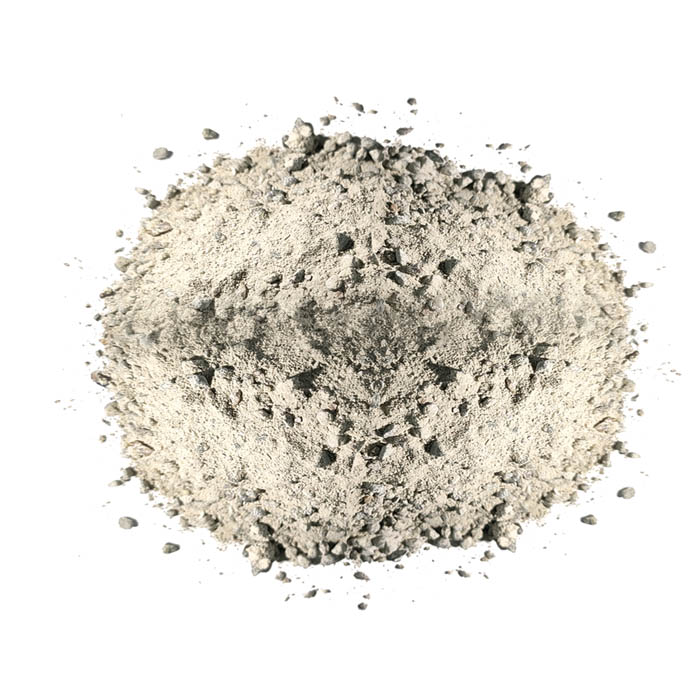
The Tundish Dry Vibration Material is a non-toxic, dry-installed, high-efficiency working lining. In practice, mills like it for long continuous casting (often 35+ hours), erosion resistance, easy decoating (flip-out), and, yes, lower labor intensity. Many customers say the “flip” is cleaner than they expected—less skull, faster turnaround. To be honest, that’s where real savings hide.
Where it’s used
- Slab, billet, and bloom casters in integrated mills and mini-mills
- Long-sequence billet casters targeting 30–40 hours
- Shops standardizing on dry-vibe work linings to push productivity and reduce maintenance windows
Typical process flow (field-proven)
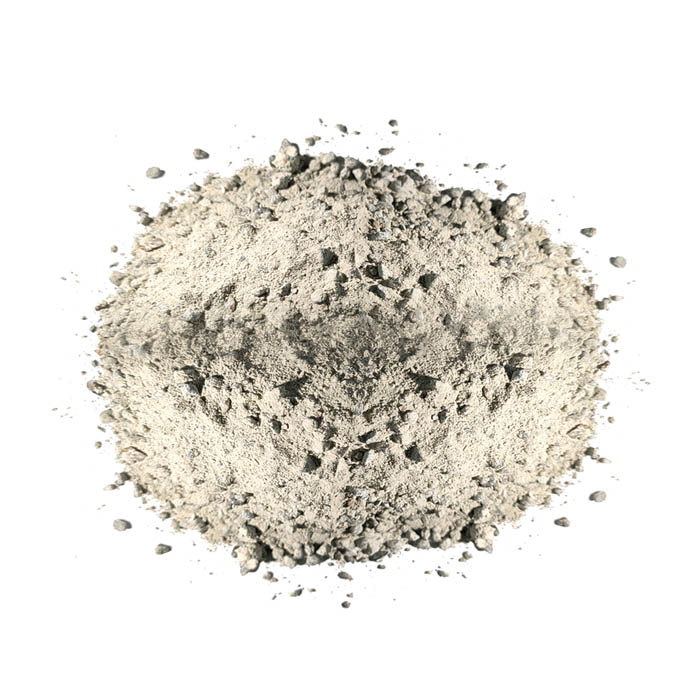
- Base prep: clean tundish shell; place backup insulation/fiber board.
- Charging: pour dry mix; distribute with screed/hand tools.
- Vibration: pneumatic rammers or vibrators to target density and geometry.
- Sintering: controlled preheat ≈ 950–1050°C to form dense working layer.
- QC: visual check, ring test, density spot checks; repair if needed.
- Casting: long sequence aim (35+ hours in suitable practice).
- Decoating: flip-out; remove residual skull; minimal jackhammering.
Product specifications (typical, real-world use may vary)
| Parameter | Typical Value | Method / Standard |
|---|---|---|
| Main chemistry | Al2O3 ≈ 85–90%; MgO ≈ 5–8%; SiO2 ≤ 5% | XRF per ISO 12677 |
| Max service temperature | ≈ 1700°C | ISO 1927 / in-house heat soak |
| Bulk density (after sinter) | ≥ 2.60 g/cm³ | ASTM C134 |
| CCS @ 1100°C, 3h | ≥ 10 MPa | ASTM C133 |
| PLC @ 1100°C, 3h | ±0.5% | ISO 2477 / EN 993-10 |
| Thermal conductivity | ≈ 1.6 W/m·K @ 1000°C | ASTM C201 |
| Erosion in CaO–Al2O3 slag | ≈ 1.2 mm/h (lab) | Cup test per EN 993-8 |
| Working lining thickness | ≈ 60–90 mm | Mill practice |
| Casting sequence | Over 35 hours reported | Field performance |
Testing, data, and certifications
Suppliers worth their salt run incoming raw checks (XRF), particle-size curves, green density, hot MOR/CCS, thermal shock cycles, and slag cup tests. Look for ISO 9001 and environmental compliance (ISO 14001). Some buyers also request EN 1402 reports for monolithic refractories. In fact, a few mills now include preheat-sinter profiles in the purchase spec—smart move.
Vendor comparison (indicative)
| Vendor | Origin | Sequence Length | Customization | Certs | Lead Time |
|---|---|---|---|---|---|
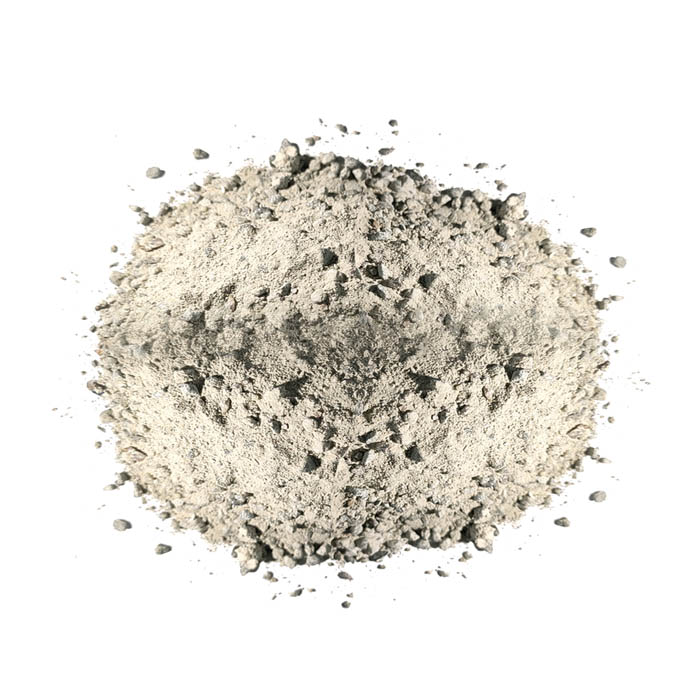
| Xingtai Luxi Tundish Dry Vibration Material | Hebei, China | 35–40 h in practice (≈) | Grading, Al2O3/MgO ratio, anti-erosion additives | ISO 9001/14001 | ≈ 2–4 weeks |
| EU Supplier A (monolithic alumina) | EU | 30–36 h | Limited grading changes | ISO 9001 | ≈ 3–5 weeks |
| India Supplier B (alumina-based) | India | 28–34 h | Custom binders on request | ISO 9001 | ≈ 3–6 weeks |
Customization and practical tips
Ask for tuned grain-size distributions (0–3 mm), anti-penetration additives for high-basicity slags, and a preheat curve matched to your burners. For buyers working with thermal insulation cups materials exporters (e.g., riser sleeves, tundish covers), aligning supply from the same region can simplify logistics and QC audits.
Case study (short version)
A Southeast Asian 6-strand billet caster moved from a gunnable lining to this dry-vibe system. Sequence length improved from ≈ 28 h to 36 h, tundish turnaround dropped by 18%, and skull removal became mostly a “flip-and-scrape.” Operators—who are usually the toughest critics—reported fewer cold spots after adopting the recommended preheat profile. Cost per ton edged down ~2.4% quarter-on-quarter. Not bad.
Final notes
Origin matters for freight and responsiveness: No.3 Longyang South Road, Longgang Economic Development Zone, Xindu District, Xingtai, Hebei, China. If your audit checklist includes sustainability, request energy and emissions data on sintering and binders. And, actually, insist on a witnessed trial—spec sheets are helpful; melt shop reality is the real exam.
Authoritative citations
- ISO 1927 Series: Monolithic (unshaped) refractory products — Specifications and test methods.
- ASTM C133: Standard Test Methods for Cold Crushing Strength and Modulus of Rupture of Refractories.
- EN 1402: Monolithic refractory products — Specifications.
- ISO 9001 and ISO 14001: Quality and Environmental Management Systems requirements.
- ASTM C201: Thermal Conductivity of Refractories by Hot Wire (or equivalent high-temp methods).
-
Professional Boiler Refractory Material Supplier for Industrial Efficiency
NewsApr.16,2026
-
How to Choose the Best refractory materials suppliers for Success
NewsApr.09,2026
-
Understanding Refractory Bricks Raw Materials for High Temperature Applications
NewsApr.07,2026
-
PLIbrico Refractory Materials Understanding Applications and Benefits
NewsApr.04,2026
-
Advancements in Reversible Thermal Expansion Refractory Materials for High Temperature Applications
NewsMar.31,2026
-
Comprehensive Guide to Refractory Kiln Lining Material Selection and Applications
NewsMar.28,2026