
Oct . 08, 2025 22:35 Back to list
Tundish Dry Vibrator for Dense Linings & Faster Turnaround?
Tundish Dry Vibrator: What Plants Are Choosing in 2025 (and Why)
If you spend any time around continuous casters, you already know how fast tundish practices evolve. The moment one mill gets a longer sequence, everyone asks, “What lining did you use?” Lately, I keep hearing about the Tundish dry vibrator from Xingtai Luxi in Hebei, China. To be honest, I was skeptical—until I saw the numbers and watched a flip-out demo that took less than five minutes.
What it is (and why it’s trending)
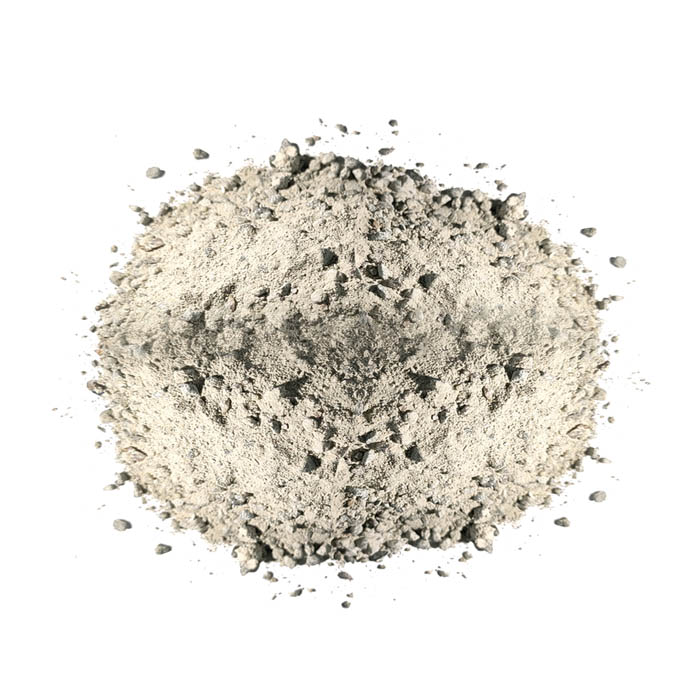
A Tundish dry vibrator is a dry, unshaped refractory mix designed to be compacted (vibrated) directly in the tundish. No water, no curing time—just pour, vibrate, preheat, cast. The draw? Non-toxic formulations, fast turnarounds, and, surprisingly, easy decoating after the sequence. With mills eyeing longer casting windows and lower total cost per ton, this tech feels… timely.
Industry trend-wise, we’re seeing: reduced resin content (or none at all), higher alumina with calibrated MgO for slag resistance, and tighter particle-size control for dense, low-porosity linings. Cleaner steel demands better tundish hygiene; the lining is part of that story.
Typical Specifications (field-proven, lab-verified)
| Parameter | Typical value | Method/Note |
|---|---|---|
| Chemical composition | Al2O3 ≈ 85–90%, MgO ≈ 5–8%, SiO2 < 1% | XRF; real-world use may vary |
| Bulk density after vibration | ≈ 2.6 g/cm³ | ISO 1927 series |
| Cold Crushing Strength (CCS) | 50–65 MPa @110°C dry | ASTM C133 |
| Hot MOR | ≈ 6–8 MPa @1100°C | EN 993-8/EN 1402 |
| Thermal shock resistance | ≥ 20 cycles (≈1100°C water quench) | EN 993-11 |
| Erosion/abrasion index | Low loss, rank A/B | ASTM C704/C704M |
| Service life | Long sequences > 35 h | Plant reports; billet/slab casters |
Process Flow and Installation
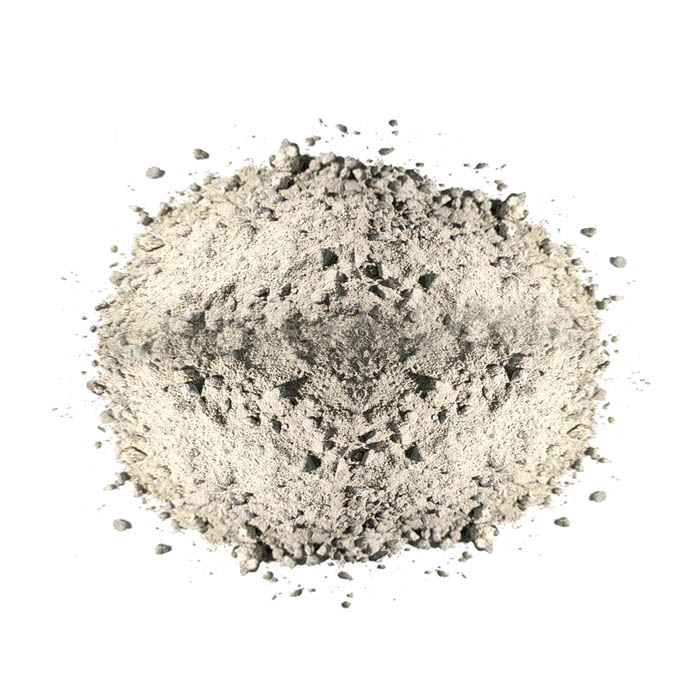
Materials: high-alumina matrix with tailored MgO; proprietary additives; no toxic resin smell—operators like that. Methods: (1) clean shell, (2) pour and screed, (3) vibrate with pneumatic poker or external shutter vibrators, (4) smooth surface, (5) controlled preheat ramp to sinter. Testing: ISO 1927, EN 1402, ASTM C133, and abrasion per ASTM C704. In service, the Tundish dry vibrator shows stable erosion patterns, and the “flip” decoat is genuinely simple—less jackhammering, lower labor intensity.
Where it’s used
- Billet, bloom, and slab casters aiming for 24–48 h sequences
- Carbon, alloy, and many stainless grades (watch slag basicity)
- Plants prioritizing lower fume, faster turnarounds, and easy decoating
Vendor Snapshot (quick compare)
| Vendor | Origin | Binder system | Casting hours | Environment | Certs | Price (USD/t ≈) |
|---|---|---|---|---|---|---|
| Xingtai Luxi Tundish dry vibrator | Xingtai, Hebei, China | Low-VOC, non-toxic | 35–45 h | Low fume; easy flip | ISO 9001/14001 (typical) | ≈ 480–720 |
| Global Refractory Co. | EU | Phenolic-modified | 30–40 h | Some odor on heat-up | ISO/REACH | ≈ 650–900 |
| Regional Maker A | SE Asia | Standard organic | 28–36 h | Moderate fume | ISO 9001 | ≈ 420–600 |
Data shown are indicative; actual performance/prices depend on tundish size, steel grade, and site conditions.
Case Notes and Feedback
Northern China, 6-strand billet caster: sequence extended from 31 h to 42 h after switching to Tundish dry vibrator; decoating time cut by ≈35%. Maintenance manager told me, “No resin smell—operators noticed right away.” Another plant casting low-carbon sheets cited fewer skulls and smoother start-up, which—honestly—saves headaches.
Customization and Services
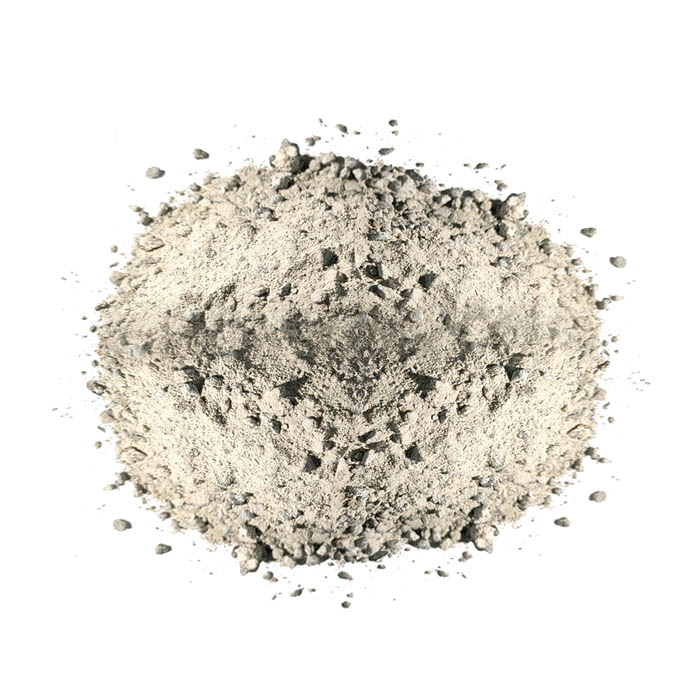
- Grading curve tuned for your vibrator type and wall thickness
- Slag-line fortified version for high-basicity slags
- On-site crew training, preheat curves, QC checklists
- Moisture-barrier big bags; origin: No.3 Longyang South Road, Longgang Economic Development Zone, Xindu District, Xingtai, Hebei, China
Bottom line: the Tundish dry vibrator format is not just a trend; it’s a practical step toward longer sequences, safer work, and lower ton costs. And yes, the flip really is that easy.
Authoritative references
- ISO 1927 series — Monolithic (unshaped) refractory products — Specifications and test methods.
- EN 1402 — Methods of test for refractory products.
- ASTM C133 — Standard Test Methods for Cold Crushing Strength and Modulus of Rupture of Refractories.
- ASTM C704/C704M — Abrasion Resistance of Refractory Materials at Room Temperature.
- AIST Technical Report No. 32 — Tundish Refractory Practices in Continuous Casting.
-
Professional Boiler Refractory Material Supplier for Industrial Efficiency
NewsApr.16,2026
-
How to Choose the Best refractory materials suppliers for Success
NewsApr.09,2026
-
Understanding Refractory Bricks Raw Materials for High Temperature Applications
NewsApr.07,2026
-
PLIbrico Refractory Materials Understanding Applications and Benefits
NewsApr.04,2026
-
Advancements in Reversible Thermal Expansion Refractory Materials for High Temperature Applications
NewsMar.31,2026
-
Comprehensive Guide to Refractory Kiln Lining Material Selection and Applications
NewsMar.28,2026