
Oct . 10, 2025 09:20 Back to list
Tundish Dry Vibrator: Faster Lining, Denser Mix—Ready?
Inside the tundish: why a new generation of Tundish dry vibrator is winning over casters
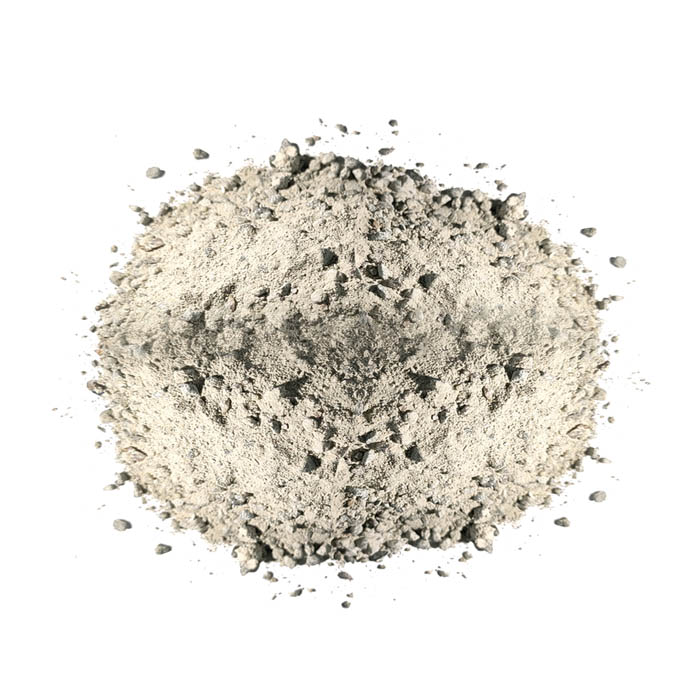
I’ve spent enough nights on the melt shop floor to know what crews really care about: longer sequences, less skull, faster flip, and no drama. That’s exactly where a modern Tundish dry vibrator shines. It’s non-toxic, installs quickly, and—when it’s dialed in—keeps heat after heat flowing with surprisingly little erosion. Many customers say the decoating flip is almost too easy. To be honest, that’s what got my attention first.
What’s changing in the market
Continuous casting keeps stretching sequence lengths, and the bar for refractories rises with it. The push is toward cleaner steel, fewer interventions, and liners that last 35 hours or more without babying. A high-efficiency Tundish dry vibrator that reduces labor intensity and slips out cleanly after a long campaign fits right into that playbook.
Typical specs at a glance
| Parameter (lab-tested) | Typical Value (≈, real-world may vary) | Notes/Methods |
|---|---|---|
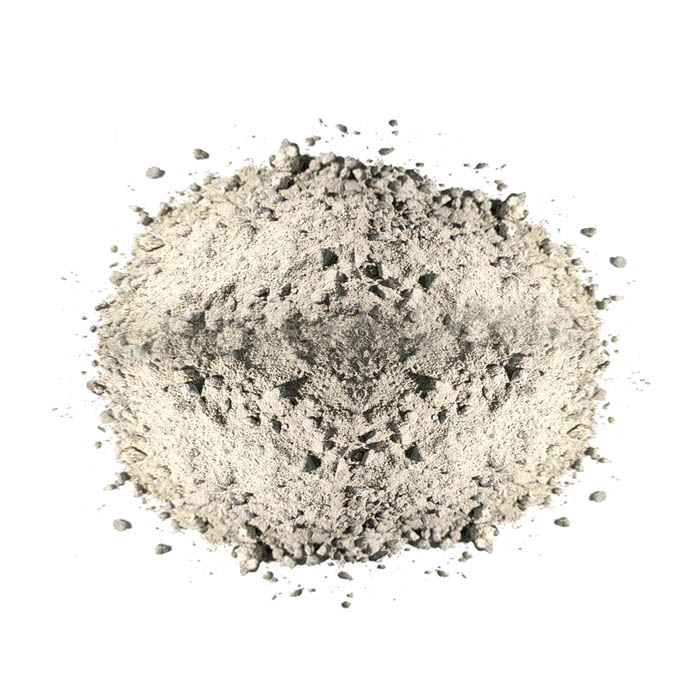
| Base composition | Magnesia–alumina spinel blend (MgO-rich) | Low-silica, non-wetting design for clean steel |
| Bulk density | ≈ 2.85–3.05 g/cm³ | After bake-out; ISO/ASTM routine |
| Cold crushing strength | ≈ 45–70 MPa | ASTM C133 guidance |
| Abrasion resistance | Low loss (good) | ASTM C704/C704M style testing |
| Service life | ≥ 35 h continuous casting | Reported in regular production |
Where it’s used (and why)
Flat and long product shops, billet/bloom casters, and specialty steel lines use a Tundish dry vibrator to cut turnaround time and keep lining integrity stable through long sequences. It’s also handy where easy decoating (flipping) reduces skull removal, which obviously saves hours—and mood.
How it’s built and installed (short version)
- Materials: high-purity MgO with alumina-spinel matrix; carefully graded aggregates; low-volatile additives for non-toxic handling.
- Method: dry vibratable placement, mechanical vibration for dense packing, then controlled preheat/bake-out based on tundish size.
- Testing standards often referenced: ASTM C133 (CCS/MOR), ASTM C704/C704M (abrasion), general monolithics practice (ISO family for unshaped refractories).
- Industries: carbon steel, low-alloy, and clean grades where lining wash and re-oxidation risks must be minimized.
Advantages we keep hearing about
High efficiency, simple construction, and—surprisingly—very consistent erosion resistance. The Tundish dry vibrator reduces labor intensity and material waste; more than one caster told me “flip time went from a headache to… meh, done.”
Vendor snapshot (real-world, approximate)
| Vendor | Max sequence (≈) | Preheat time | Decoating ease | Notes |
|---|---|---|---|---|
| Xingtai Luxi Tundish dry vibrator | ≥ 35 h | Standard | Easy flip (reported) | Non-toxic; erosion resistant |
| Global Brand B | 30–40 h | Short | Moderate | Wider global stock |
| Regional Supplier C | 25–35 h | Standard | Varies | Good cost/ton |
Customization, QA, and a quick case
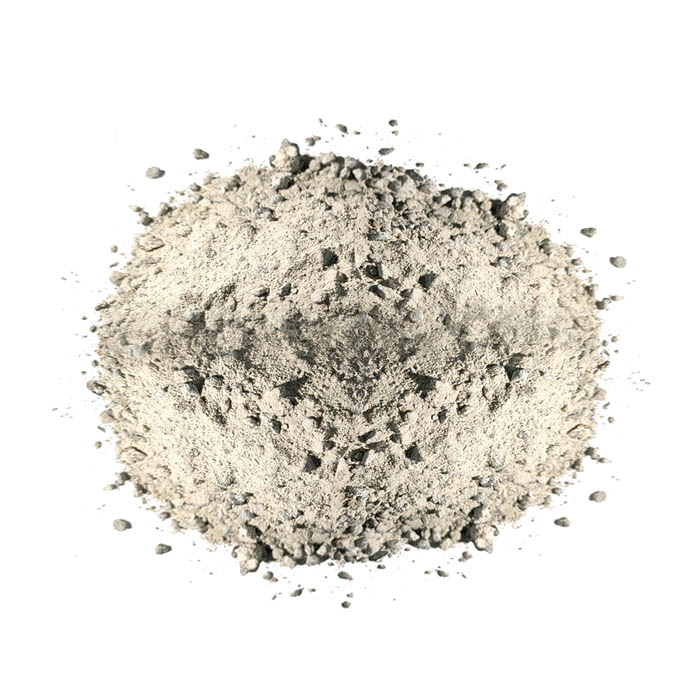
Customization usually starts with your steel grade mix and nozzle plan. Grain-size curves are tweaked, and MgO/spinel ratios nudged to suit turbulence and metallurgy. QA-wise, look for ISO 9001 systems, traceable lots, and periodic third-party tests. One billet caster I visited in North China pushed a Tundish dry vibrator to 37 hours—no edge breakout, clean walls, and the flip was basically one lift and done. Not every day is that perfect, but it’s a good sign.
Practical notes and support
Origin: No.3 Longyang South Road, Longgang Economic Development Zone, Xindu District, Xingtai, Hebei, China. If you’re auditing, ask for CCS/abrasion data, bake-out curves, MSDS (non-toxic handling), and environmental certifications. And yes, real-world results depend on tundish design, preheat uniformity, and operator discipline—still, this class of Tundish dry vibrator is trending for a reason.
References
- World Steel Association. World Steel in Figures 2024. https://worldsteel.org/steel-topics/statistics/world-steel-in-figures/
- ASTM C133. Standard Test Methods for Cold Crushing Strength and Modulus of Rupture of Refractories. https://www.astm.org/c0133
- ASTM C704/C704M. Abrasion Resistance of Refractory Materials at Room Temperature. https://www.astm.org/c0704_c0704m
- ISO 9001 Quality Management Systems (overview). https://www.iso.org/iso-9001-quality-management.html
-
Professional Boiler Refractory Material Supplier for Industrial Efficiency
NewsApr.16,2026
-
How to Choose the Best refractory materials suppliers for Success
NewsApr.09,2026
-
Understanding Refractory Bricks Raw Materials for High Temperature Applications
NewsApr.07,2026
-
PLIbrico Refractory Materials Understanding Applications and Benefits
NewsApr.04,2026
-
Advancements in Reversible Thermal Expansion Refractory Materials for High Temperature Applications
NewsMar.31,2026
-
Comprehensive Guide to Refractory Kiln Lining Material Selection and Applications
NewsMar.28,2026