
Mar . 07, 2026 01:55 Back to list
Comprehensive Guide to Forge Refractory Materials for Industrial Applications
Forge Refractory Materials: A Comprehensive Guide
In high-temperature industrial applications, the integrity of materials is paramount. Forge refractory materials are engineered to withstand extreme heat and corrosive environments, crucial for processes like steelmaking, cement production, and glass manufacturing. This article provides an in-depth look into these materials, their properties, applications, and considerations for selecting the right refractory for your specific needs. Understanding the nuances of forge refractory materials can significantly enhance operational efficiency and longevity of industrial equipment.
What are Forge Refractory Materials?
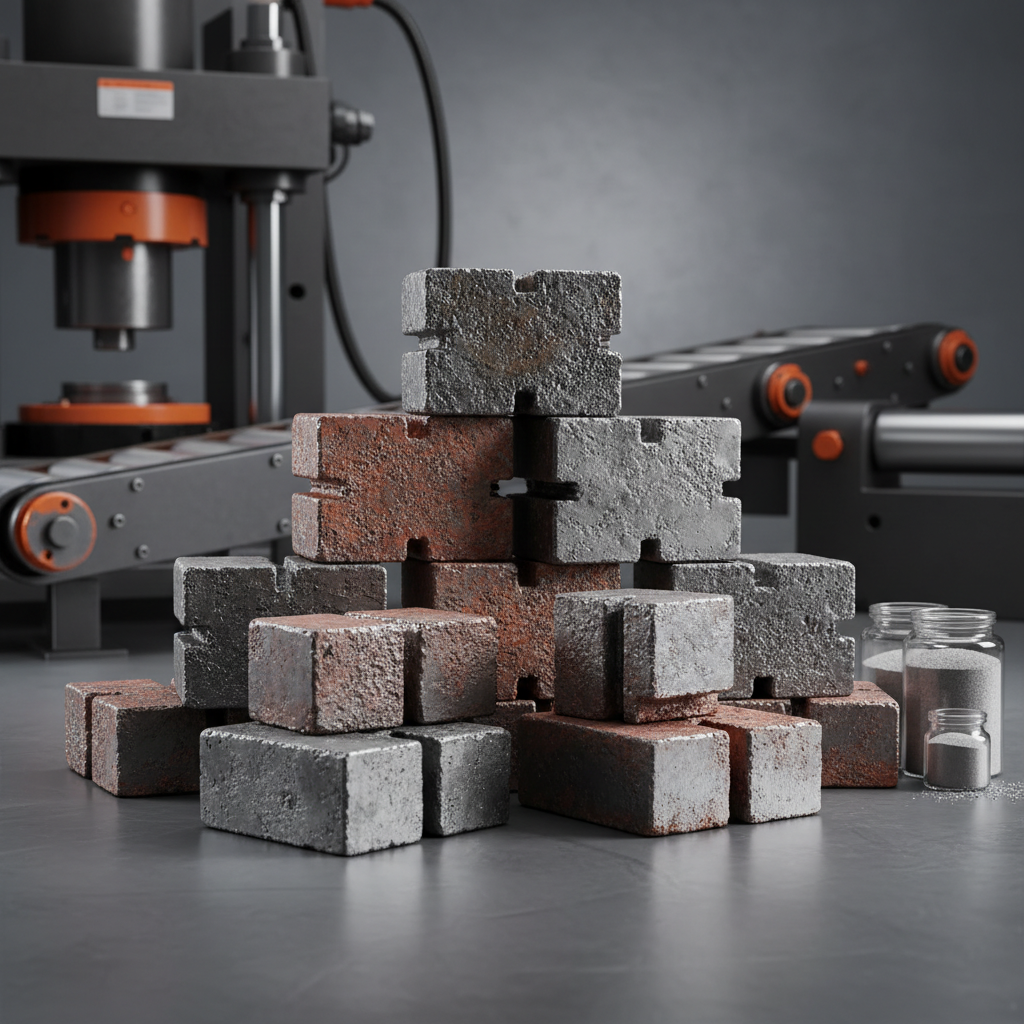
Forge refractory materials are non-metallic materials designed to withstand extremely high temperatures – often exceeding 1,000°C (1,832°F) – without significant deformation or chemical reaction. They are vital components in furnaces, kilns, incinerators, and other high-heat processing equipment. These materials aren't just about heat resistance; they also need to resist corrosion from slag, gases, and other aggressive substances. Common types include alumina, silica, magnesia, chromite, and various specialized cements and castables. Choosing the correct material is critical to ensure optimal performance and longevity within the specific operating conditions.
Key Properties of High-Quality Forge Refractories
Several properties define the quality and suitability of forge refractory materials. These include: Thermal Shock Resistance – the ability to withstand rapid temperature changes without cracking; Refractoriness Under Load (RUL) – resistance to deformation under high temperatures and stress; Chemical Inertness – resistance to corrosion from process materials; Porosity – influencing thermal insulation and permeability; and Mechanical Strength – resistance to abrasion and physical impact. Understanding these properties is key to selecting a refractory that will perform reliably in your application.
Key Takeaway: Choosing the right refractory depends on a thorough understanding of the specific thermal, chemical, and mechanical demands of the application.
Types of Forge Refractory Materials: A Comparison
Different refractory materials offer varying characteristics, making them suitable for different applications. Here's a comparative overview:
Applications of Forge Refractory Materials
The diverse properties of forge refractories enable their use across a broad spectrum of industries. They’re integral to: Steel Production: Lining furnaces and ladles; Cement Manufacturing: Protecting rotary kilns from intense heat and abrasive materials; Glass Manufacturing: Constructing glass melting furnaces; Petrochemical Processing: Insulating reactors and cracking furnaces; and Incineration: Lining incinerators for waste treatment. The ability to tailor refractory compositions to specific application requirements is a significant advantage.
Selecting the Right Forge Refractory Material
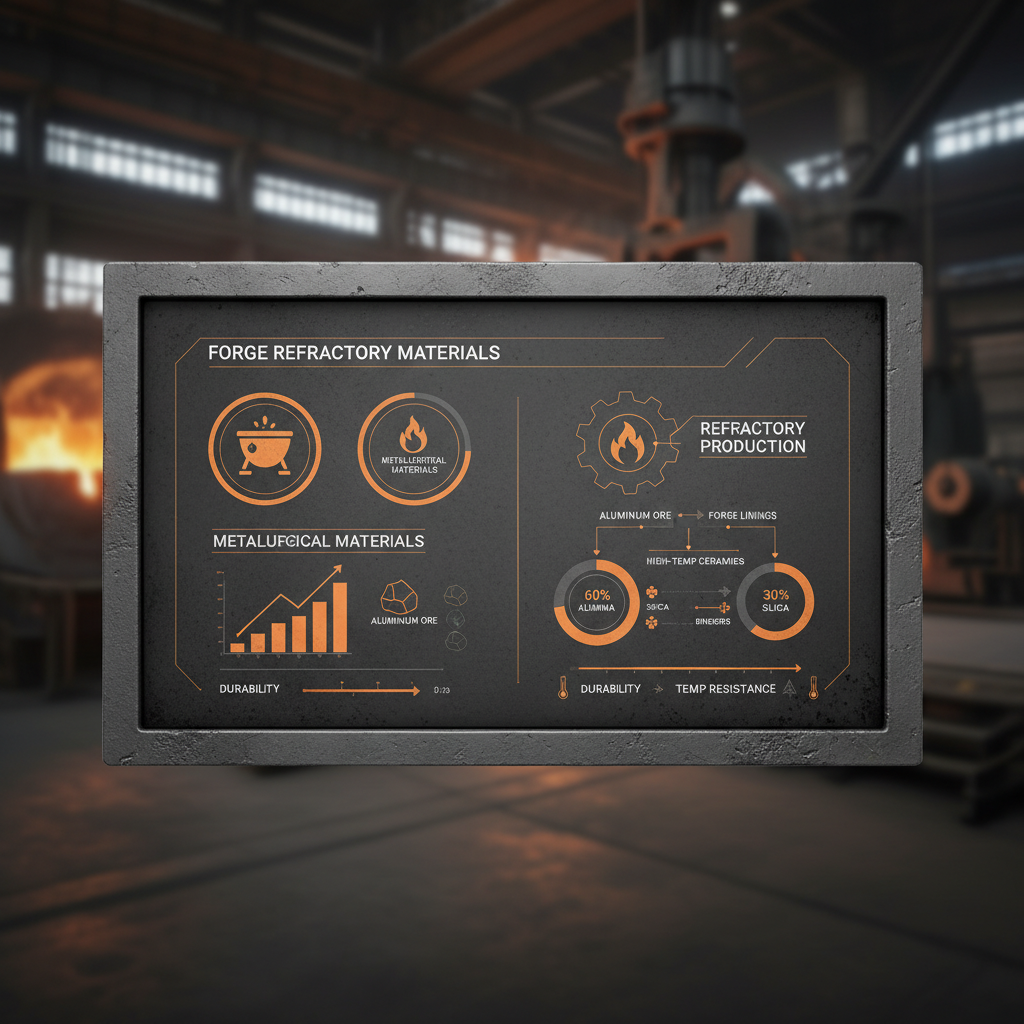
Choosing the correct refractory material requires careful consideration of several factors: Operating Temperature: Ensure the material's maximum operating temperature exceeds the process temperature; Chemical Environment: Assess the corrosive potential of the process gases and slags; Mechanical Stress: Consider the stresses imposed by the process and equipment; Thermal Cycling: Evaluate the frequency and severity of temperature fluctuations; and Cost-Effectiveness: Balance performance requirements with budgetary constraints. Consulting with a refractory expert like Xingtai LuXi Refractory Co., Ltd. can provide valuable insights.
Conclusion: Maximizing Performance with the Right Refractory
Selecting the appropriate forge refractory materials is crucial for ensuring the efficiency, reliability, and longevity of high-temperature industrial processes. By carefully considering the operating conditions and material properties, you can optimize performance and minimize downtime. Investing in quality refractories and expert guidance can yield significant long-term benefits.
Frequently Asked Questions (FAQs)
What is the typical lifespan of a refractory lining?
The lifespan of a refractory lining is highly variable, depending on the operating conditions, material quality, and maintenance practices. Typically, a well-maintained lining can last between 3 to 10 years. However, factors such as thermal shock, chemical attack, and abrasion can significantly shorten this lifespan. Regular inspections and prompt repairs are essential to maximize the service life of the refractory lining. A detailed assessment of the lining's condition should be conducted annually, with more frequent checks in severe operating environments.
How can I prevent refractory failure?
Preventing refractory failure involves a multi-faceted approach. Proper installation is critical, ensuring the lining is correctly constructed and supported. Controlling heating and cooling rates to minimize thermal shock is also important. Regular inspections to identify and repair cracks or damage are crucial. Avoiding mechanical impact and abrasion can extend the lifespan. Finally, selecting the appropriate refractory material for the specific application is paramount.
What are the benefits of using castable refractories?
Castable refractories offer several advantages, including versatility in shape and size, relatively easy installation, and good resistance to thermal shock. They are particularly well-suited for complex geometries and applications where pre-fabricated shapes are not practical. Castable refractories also allow for on-site repairs and modifications. However, they require proper mixing and curing to achieve optimal performance. Xingtai LuXi Refractory Co., Ltd provides high-quality castable refractories for a range of industries.
What are the latest advancements in refractory technology?
Recent advancements in refractory technology focus on enhancing performance and durability. These include the development of ultra-high-temperature refractories, improved thermal insulation materials, and advanced ceramic coatings to protect against corrosion. There's also a growing trend towards using digital modeling and simulation to optimize refractory design and installation. Nanomaterials are also being explored to improve the mechanical properties and lifespan of refractory linings.
-
Professional Boiler Refractory Material Supplier for Industrial Efficiency
NewsApr.16,2026
-
How to Choose the Best refractory materials suppliers for Success
NewsApr.09,2026
-
Understanding Refractory Bricks Raw Materials for High Temperature Applications
NewsApr.07,2026
-
PLIbrico Refractory Materials Understanding Applications and Benefits
NewsApr.04,2026
-
Advancements in Reversible Thermal Expansion Refractory Materials for High Temperature Applications
NewsMar.31,2026
-
Comprehensive Guide to Refractory Kiln Lining Material Selection and Applications
NewsMar.28,2026