
Feb . 26, 2026 02:05 Back to list
Comprehensive Guide to Moldable Refractory Material for High Temperature Applications
Moldable Refractory Material: A Comprehensive Guide
When dealing with high-temperature processes, selecting the right refractory material is crucial for efficiency, safety, and longevity of your equipment. Moldable refractory material offers a versatile solution for a wide range of applications. This article will explore the properties, benefits, applications, and considerations when choosing moldable refractories, helping you make the optimal selection for your specific needs. Understanding the characteristics of these materials is paramount for successful implementation and long-term performance.
Understanding Moldable Refractory Materials
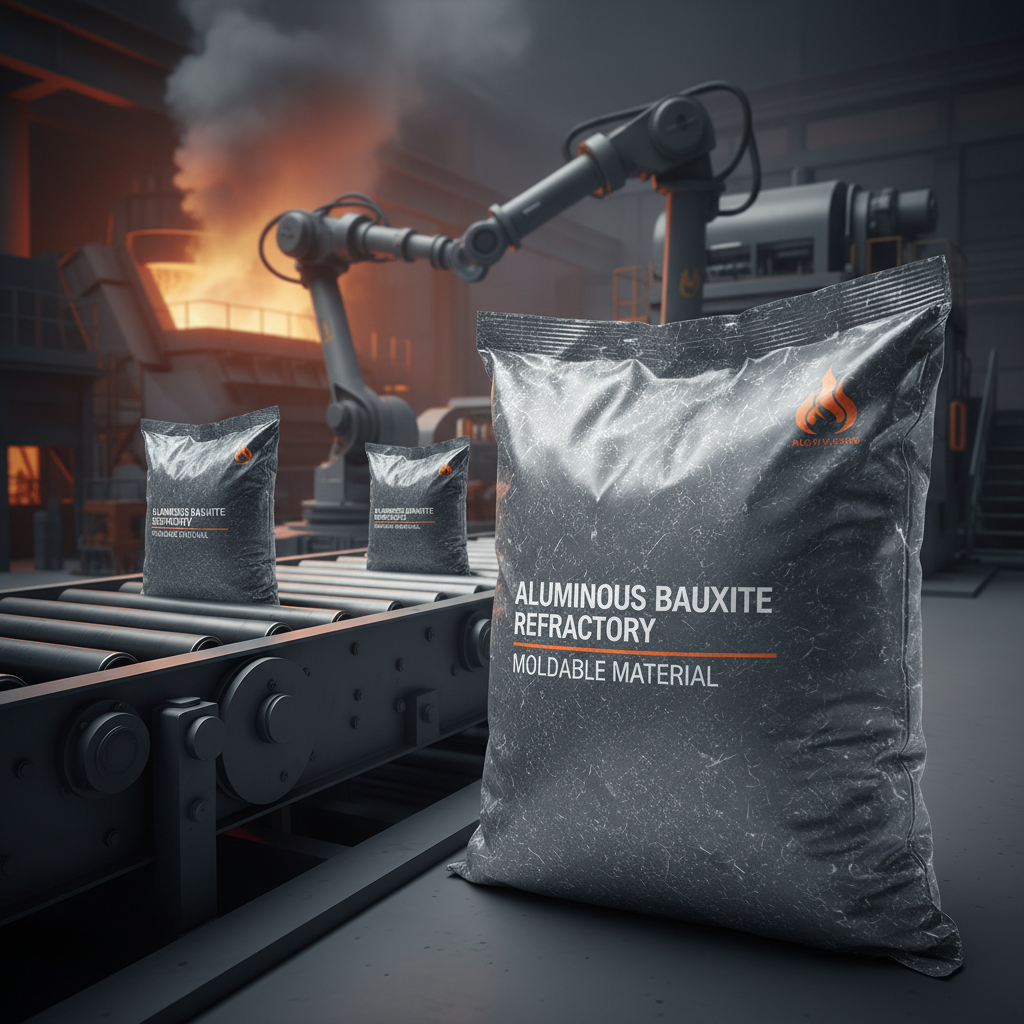
Moldable refractories are a mixture of refractory aggregates, binders, and additives, designed to be mixed with water and applied to form a lining. Unlike pre-formed bricks, moldable refractories can be cast into complex shapes and offer excellent thermal shock resistance. They are particularly effective in areas prone to spalling or cracking. The key to their success lies in their ability to expand slightly upon heating, creating a tight, self-supporting lining. This is especially useful for repairs or new constructions where precise fitting isn't always possible. Xingtai LuXi Refractory Co., Ltd. specializes in providing high-quality moldable refractory solutions tailored to diverse industrial demands.
Key Highlights: Excellent thermal shock resistance, ability to form complex shapes, expansion upon heating for a tight seal, ideal for repairs and new constructions.
Key Properties of Moldable Refractory Material
The performance of a moldable refractory depends on several key properties. Refractoriness under Load (RUL) is a critical indicator of the material’s ability to withstand high temperatures without deformation. Thermal shock resistance determines its ability to cope with rapid temperature changes, preventing cracking. Permeability dictates gas flow through the lining, influencing furnace efficiency. Chemical resistance determines its ability to withstand corrosive environments. Understanding these properties is crucial for selecting the right material for your specific application.
Key Property Benefits:
• High RUL for structural integrity at high temperatures.
• Excellent thermal shock resistance for prolonged service life.
• Controlled permeability for optimal furnace efficiency.
• Strong chemical resistance for corrosive environments.
Moldable Refractory Material vs. Brick Refractory: A Comparison
While both moldable and brick refractories serve the purpose of thermal insulation and protection, they differ significantly in their application and characteristics. Brick refractories are pre-formed and offer excellent structural strength. However, they require skilled labor for installation and are less adaptable to complex geometries. Moldable refractories, on the other hand, offer flexibility in shape and are easier to install, making them ideal for repairs and linings of irregular surfaces. The choice between the two depends on the specific application and project requirements.
Applications of Moldable Refractory Material
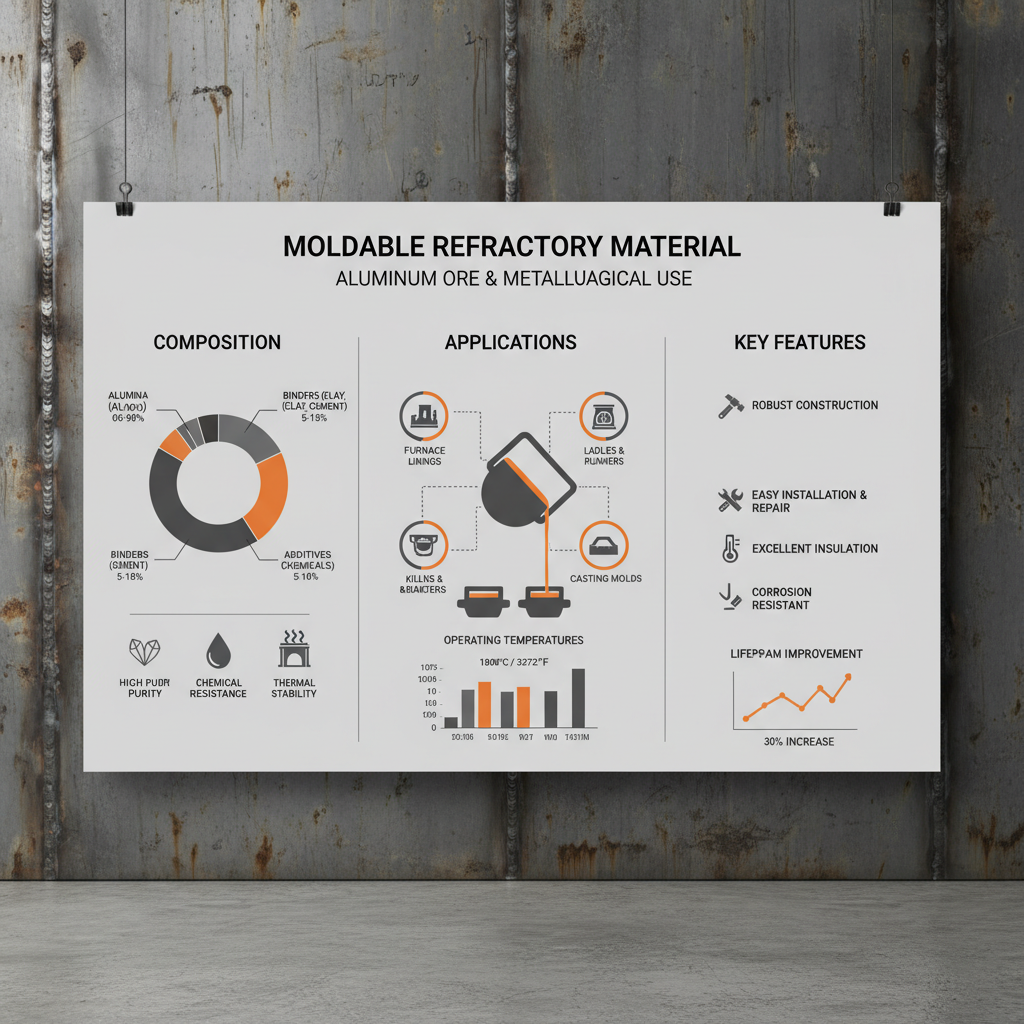
Moldable refractories find application in a diverse range of industries. They are commonly used in furnace linings, offering excellent thermal insulation and protection against slag attack. They are also used in kilns, incinerators, and heating equipment where high-temperature stability is essential. Their versatility makes them suitable for repairing damaged refractory linings in various industrial settings. Xingtai LuXi Refractory Co., Ltd. provides tailored moldable refractory solutions for industries including metallurgy, ceramics, cement, and glass.
Choosing the Right Moldable Refractory Material: Key Considerations
Selecting the appropriate moldable refractory material requires careful consideration of several factors. Operating temperature is paramount, as different materials have varying temperature limits. Chemical environment must be considered, as some refractories are more resistant to specific corrosive substances. Thermal cycling conditions influence the required thermal shock resistance. It's also crucial to evaluate the installation method and desired lining thickness. Consulting with a refractory expert can ensure optimal material selection for your application. Contact us at Xingtai LuXi Refractory Co., Ltd. for personalized recommendations.
Conclusion: Investing in Quality Moldable Refractories
Choosing the right moldable refractory material is a critical investment in the longevity and efficiency of your high-temperature processes. By carefully considering the factors outlined in this guide, you can ensure optimal performance and minimize downtime. Xingtai LuXi Refractory Co., Ltd. is committed to providing high-quality, reliable solutions tailored to your specific industrial needs.
Frequently Asked Questions (FAQs)
What is the typical mixing ratio for moldable refractory material?
The typical mixing ratio is around 10-12% water by weight. However, this can vary depending on the specific product and its intended application. Always consult the manufacturer's instructions for the precise mixing ratio. Adding too much water can weaken the refractory lining, while adding too little can make it difficult to work with. Thorough mixing is crucial to ensure a homogenous consistency and optimal performance.
How long does moldable refractory material take to dry and cure?
The drying and curing time depends on several factors, including the material composition, thickness of the lining, ambient temperature, and humidity. Generally, it takes at least 24-72 hours for the material to dry sufficiently before ramping up the temperature. Full curing can take several days or even weeks, depending on the application. Avoid subjecting the lining to rapid heating cycles before it is fully cured to prevent cracking or spalling.
Can moldable refractory material be used for emergency repairs?
Yes, moldable refractory material is often used for emergency repairs due to its ease of application and fast setting time. It can quickly patch cracks, fill holes, and restore damaged refractory linings. However, it's important to properly prepare the surface before applying the material, ensuring it is clean and free of loose debris. For critical repairs, it’s best to consult with a refractory specialist to determine the most appropriate material and procedure.
What are the safety precautions when working with moldable refractory material?
When working with moldable refractory material, it is crucial to wear appropriate personal protective equipment (PPE), including gloves, safety glasses, and a dust mask. Avoid inhaling the dust, as it can irritate the respiratory system. Ensure adequate ventilation in the work area. Refer to the material safety data sheet (MSDS) for specific safety information and handling procedures.
-
Professional Boiler Refractory Material Supplier for Industrial Efficiency
NewsApr.16,2026
-
How to Choose the Best refractory materials suppliers for Success
NewsApr.09,2026
-
Understanding Refractory Bricks Raw Materials for High Temperature Applications
NewsApr.07,2026
-
PLIbrico Refractory Materials Understanding Applications and Benefits
NewsApr.04,2026
-
Advancements in Reversible Thermal Expansion Refractory Materials for High Temperature Applications
NewsMar.31,2026
-
Comprehensive Guide to Refractory Kiln Lining Material Selection and Applications
NewsMar.28,2026