
Mar . 05, 2026 01:55 Back to list
Comprehensive Guide to Refractory Material Foundry and Selection
Refractory Material Foundry: A Comprehensive Guide
The demand for high-quality refractory materials is consistently growing across various industries, including steel, cement, glass, and non-ferrous metals. A reliable refractory material foundry is crucial for sourcing these essential components. This article will delve into the world of refractory materials, explore the processes involved in their creation, and highlight the key factors to consider when selecting a foundry. We’ll cover material types, manufacturing techniques, quality control, and the role of companies like Xingtai LuXi Refractory Co., Ltd in delivering superior products. Choosing the right foundry can significantly impact your operational efficiency and product quality.
Understanding Refractory Materials
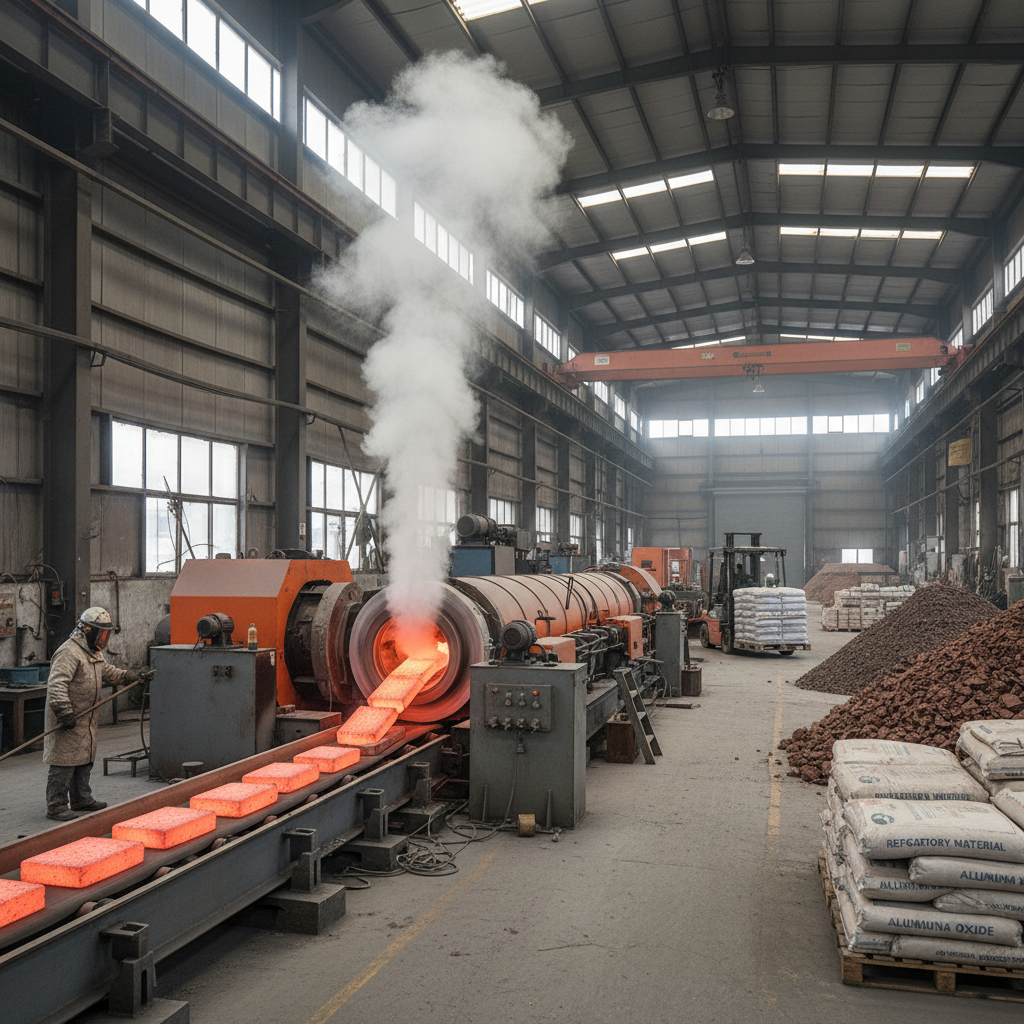
Refractory materials are heat-resistant materials designed to withstand extremely high temperatures without significant degradation or deformation. They are vital in industrial processes where high heat is a factor. These materials aren’t just about resisting heat; they also need to resist chemical attack from slag, gases, and other corrosive substances. Common types include alumina, silica, magnesia, chromite, and zirconia, each offering different properties suited to specific applications. The choice of material depends on factors like the operating temperature, chemical environment, and mechanical stresses involved. A quality refractory material foundry understands these nuances and can advise on the optimal material selection for your needs.
Key Highlights: Refractory materials resist high temperatures and chemical attacks. Common types include alumina, silica, magnesia, chromite, and zirconia. Material selection depends on application-specific requirements.
The Refractory Material Foundry Process
The creation of refractory materials is a complex process that typically involves several stages. These include raw material sourcing, batching, mixing, forming, drying, and finally, firing (calcination). Raw materials are carefully selected and proportioned to achieve the desired chemical composition and physical properties. Mixing ensures homogeneity, while forming shapes the material into bricks, shapes, or monolithic refractories. Drying removes moisture, and firing at high temperatures induces the necessary chemical reactions to create the final refractory product. The expertise of a refractory material foundry lies in controlling these variables to produce consistent, high-quality materials.
Manufacturing Stages:
• Raw Material Sourcing
• Batching and Mixing
• Forming (Bricks, Shapes, Monolithics)
• Drying
• Firing (Calcination)
Key Considerations When Choosing a Refractory Material Foundry
Selecting the right refractory material foundry is critical for ensuring a consistent supply of high-quality products. Consider factors like the foundry's experience, technical expertise, quality control procedures, and production capacity. A reputable foundry will have a well-equipped laboratory for testing and analysis, ensuring that all materials meet stringent quality standards. They should also be able to provide technical support and customized solutions tailored to your specific requirements. Furthermore, assess their commitment to sustainability and ethical sourcing of raw materials.
Refractory Material Types: A Comparison
Different refractory materials possess unique characteristics that make them suitable for various applications. Understanding these differences is crucial for optimal performance. Here’s a comparison of some common types:
Quality Control and Testing
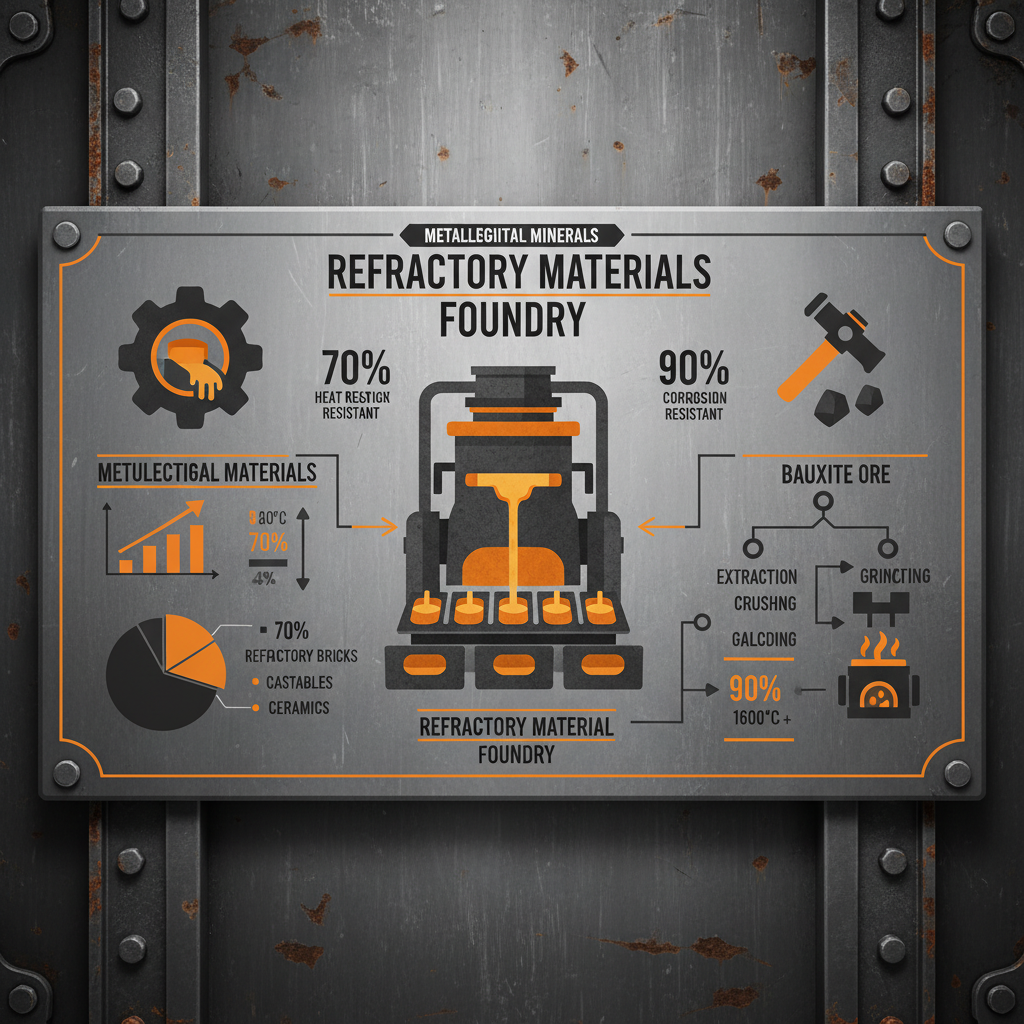
Rigorous quality control is paramount in refractory material production. A reputable foundry will employ a range of testing methods to ensure compliance with industry standards and customer specifications. These tests may include chemical analysis, physical property testing (e.g., density, porosity, compressive strength), and thermal shock resistance testing. Proper documentation and traceability of materials are also essential. Xingtai LuXi Refractory Co., Ltd places a strong emphasis on quality control, utilizing advanced testing equipment and adhering to strict quality management systems.
Conclusion: Partnering with a Reliable Foundry
Choosing a dependable refractory material foundry is an investment in the long-term success of your operations. By prioritizing quality, technical expertise, and reliable supply, you can ensure optimal performance and minimize downtime. Consider Xingtai LuXi Refractory Co., Ltd as a trusted partner for all your refractory material needs.
Frequently Asked Questions (FAQs)
What factors influence the price of refractory materials?
Several factors contribute to the cost of refractory materials, including the type of material, its purity, the manufacturing process, and the order quantity. Raw material costs, energy prices, and transportation expenses also play a role. More specialized or high-purity materials typically command higher prices. Additionally, custom shapes or sizes can increase costs due to additional processing requirements. A reputable foundry like Xingtai LuXi can provide transparent pricing and optimize material selection to meet your budget.
What is the difference between shaped and unshaped refractories?
Shaped refractories are pre-formed bricks or other specific shapes manufactured to precise dimensions. They are generally used for structural applications. Unshaped refractories, also known as monolithic refractories, are mixtures of refractory materials that are installed without pre-forming. They are typically cast, rammed, or gunned into place and cured. Unshaped refractories are suitable for complex shapes or areas where installation speed is critical. The choice depends on the specific application requirements.
How can I extend the lifespan of my refractory linings?
Extending the life of refractory linings requires proper installation, operation, and maintenance. This includes ensuring accurate bricklaying, avoiding thermal shock, controlling the atmosphere, and regularly inspecting for damage. Preventative maintenance, such as repairing cracks or replacing worn sections, can significantly prolong the lining's service life. Selecting the correct refractory material for the specific application is also crucial.
-
Professional Boiler Refractory Material Supplier for Industrial Efficiency
NewsApr.16,2026
-
How to Choose the Best refractory materials suppliers for Success
NewsApr.09,2026
-
Understanding Refractory Bricks Raw Materials for High Temperature Applications
NewsApr.07,2026
-
PLIbrico Refractory Materials Understanding Applications and Benefits
NewsApr.04,2026
-
Advancements in Reversible Thermal Expansion Refractory Materials for High Temperature Applications
NewsMar.31,2026
-
Comprehensive Guide to Refractory Kiln Lining Material Selection and Applications
NewsMar.28,2026