
Mar . 26, 2026 01:55 Back to list
Comprehensive Guide to Refractory Patching Material for Industrial Applications
Refractory Patching Material: A Comprehensive Guide
In high-temperature industrial environments, maintaining the integrity of refractory linings is crucial for operational efficiency and safety. Refractory patching material plays a vital role in extending the lifespan of these linings, repairing damage, and preventing costly downtime. This article will explore the various types of refractory patching materials, their applications, benefits, and selection criteria. Understanding these materials is essential for anyone involved in furnace maintenance, kiln repair, or related industrial processes. Investing in quality patching material translates to significant savings and improved performance.
Understanding Refractory Patching Materials
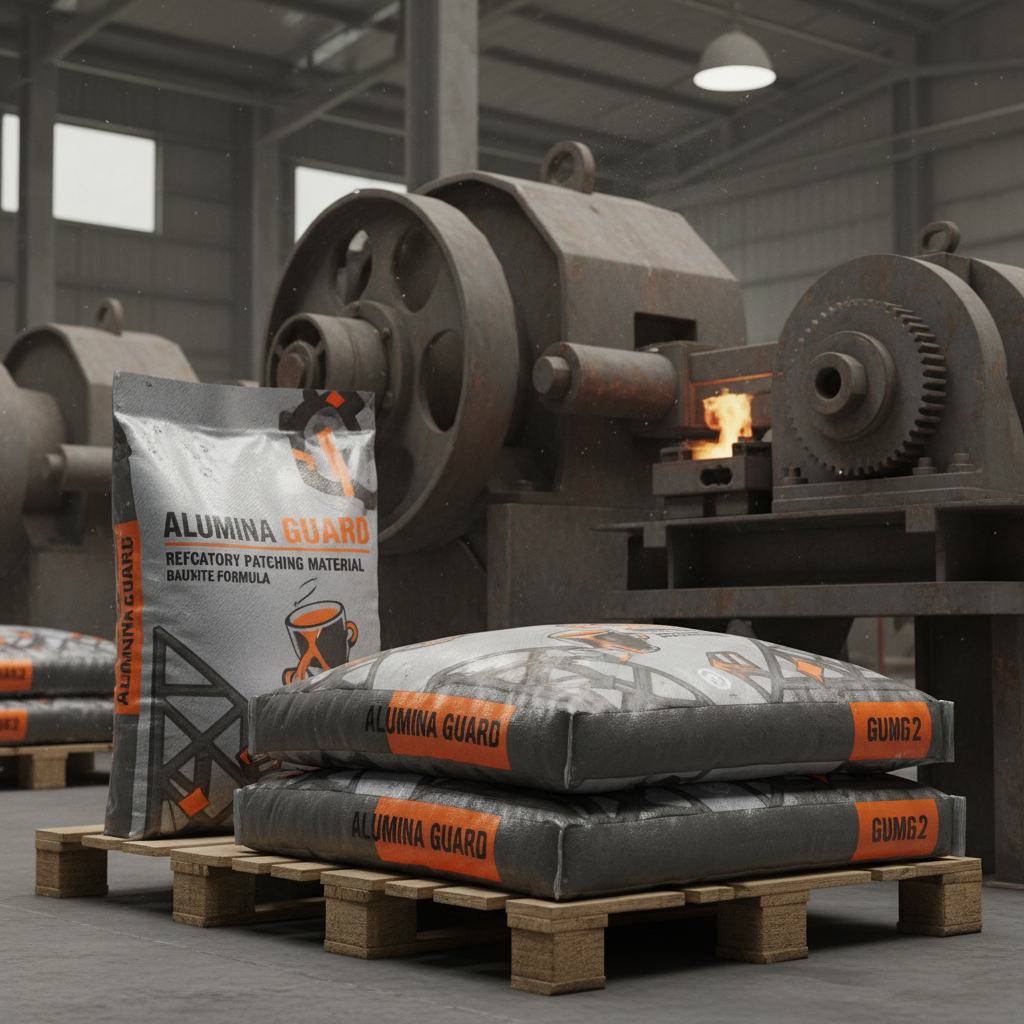
Refractory patching materials are designed to repair localized damage to refractory linings without requiring a complete rebuild. These materials offer a cost-effective solution for addressing cracks, spalls, and erosion. They are typically formulated with a blend of refractory aggregates, binders, and additives to achieve specific properties like high-temperature resistance, chemical stability, and workability. The correct material selection depends on the specific application, operating temperature, and the type of refractory lining being repaired. Choosing the wrong material can lead to premature failure and further damage.
Key Considerations: Choosing the right patching material requires careful consideration of factors such as operating temperature, chemical attack, and mechanical stress.
Types of Refractory Patching Material
Several types of refractory patching materials are available, each with its own strengths and weaknesses. Some common types include:
- Plastic Refractories: These materials contain a clay-based binder and are worked into place when plastic.
- Ramming Mixes: These are dry granular materials that are rammed into place and then hydrated.
- Castables: These are pre-mixed materials that are cast into shape and allowed to harden.
- Sprayable Refractories: These are applied using spray equipment, offering a quick and efficient repair method.
The selection of the appropriate type depends heavily on the specific application and the desired properties. Xingtai LuXi Refractory provides a wide range of materials to suit diverse industrial needs.
Material Properties:
• High-Temperature Resistance
• Chemical Stability
• Good Workability
• Low Shrinkage
Refractory Patching Material Comparison
Different patching materials offer varying performance characteristics. Here's a comparison of some common types:
Application of Refractory Patching Materials
Refractory patching materials are widely used in various industrial applications, including:
- Furnaces: Repairing cracks and spalls in furnace walls and roofs.
- Kilns: Fixing erosion and damage caused by high temperatures and chemical reactions.
- Incinerators: Maintaining the integrity of incinerator linings.
- Boilers: Patching areas susceptible to corrosion and wear.
Proper application techniques are critical for ensuring a successful repair. Surfaces must be thoroughly cleaned and prepared before applying the patching material. Following the manufacturer’s instructions is essential for achieving optimal results. Contact us for expert advice on the best patching solution for your needs.
Selecting the Right Refractory Patching Material
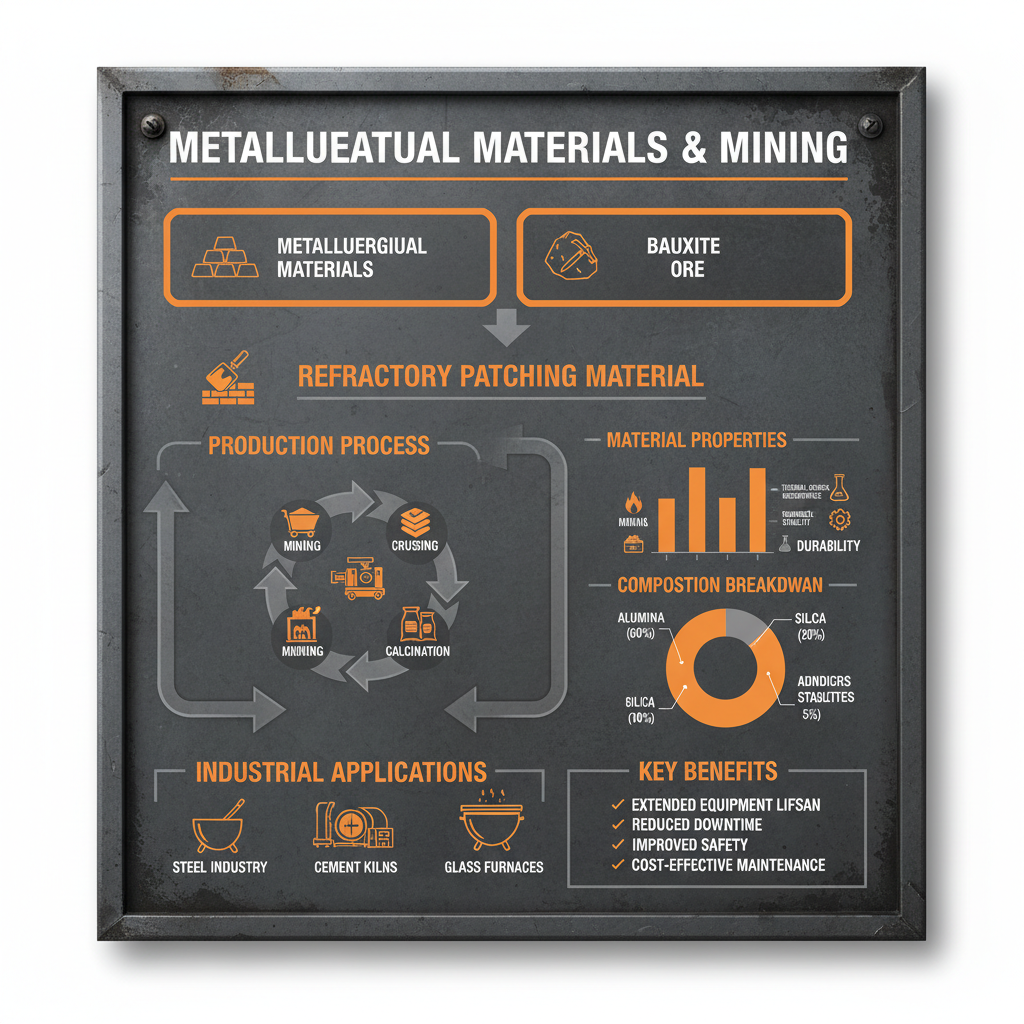
Choosing the right refractory patching material involves considering several factors: the operating temperature, the chemical environment, the type of refractory lining, and the ease of application. It’s also important to consider the material’s shrinkage rate, thermal shock resistance, and bonding strength. Consulting with a refractory specialist can help ensure you select the most appropriate material for your specific application. At Xingtai LuXi Refractory, we provide expert guidance and a comprehensive range of high-quality patching materials.
Conclusion: Maintaining Refractory Integrity
Investing in the right refractory patching material is essential for ensuring the longevity and efficiency of high-temperature industrial equipment. By understanding the different types of materials available and carefully considering the specific application requirements, you can minimize downtime, reduce maintenance costs, and improve overall operational performance. Don't compromise on quality – choose a reliable supplier like Xingtai LuXi Refractory.
Frequently Asked Questions (FAQs)
What is the typical curing time for refractory patching materials?
Curing time varies depending on the type of material, the ambient temperature, and the thickness of the application. Plastic refractories typically require a gradual drying process over several days, while castables may take a week or more to reach full strength. It's crucial to follow the manufacturer’s instructions regarding curing schedules to ensure optimal performance. Rushing the curing process can lead to cracking or reduced bonding strength.
How should I prepare the surface before applying patching material?
Surface preparation is critical for ensuring proper adhesion. Remove any loose or damaged refractory material, as well as any contaminants such as dust, grease, or rust. The surface should be clean, dry, and slightly roughened to provide a mechanical key for the patching material. Some materials may require the application of a bonding agent to enhance adhesion.
Can refractory patching material be used for large-scale repairs?
While patching materials are ideal for localized repairs, they are generally not suitable for large-scale damage. In cases of extensive deterioration, a complete refractory rebuild may be necessary. However, sprayable refractories can be used for larger repairs, but they require specialized equipment and expertise. It's always best to assess the extent of the damage and consult with a refractory specialist to determine the most appropriate repair strategy.
What safety precautions should I take when working with refractory patching materials?
Always wear appropriate personal protective equipment (PPE), including safety glasses, gloves, and a dust mask, when handling refractory patching materials. Some materials may contain silica, which can be harmful if inhaled. Work in a well-ventilated area and follow the manufacturer's safety guidelines. Refer to the Safety Data Sheet (SDS) for detailed information on handling and safety precautions.
-
Professional Boiler Refractory Material Supplier for Industrial Efficiency
NewsApr.16,2026
-
How to Choose the Best refractory materials suppliers for Success
NewsApr.09,2026
-
Understanding Refractory Bricks Raw Materials for High Temperature Applications
NewsApr.07,2026
-
PLIbrico Refractory Materials Understanding Applications and Benefits
NewsApr.04,2026
-
Advancements in Reversible Thermal Expansion Refractory Materials for High Temperature Applications
NewsMar.31,2026
-
Comprehensive Guide to Refractory Kiln Lining Material Selection and Applications
NewsMar.28,2026