
Sep . 23, 2025 05:25 Back to list
Ferro-Carbon Ball for BOF- Xingtai Luxi | Temperature Control, Material Efficiency
Steelmaking is a critical process in modern metallurgy, requiring precise control of chemical composition and thermal dynamics. The Ferro-Carbon Ball for BOF has emerged as a revolutionary material that optimizes the basic oxygen furnace (BOF) process, offering significant advantages in temperature control, material efficiency, and environmental sustainability. Developed by Xingtai Luxi Environmental Protection Technology Co., Ltd., this product represents a breakthrough in steelmaking technology.
Product Overview
The Ferro-Carbon Ball for BOF is a specialized alloy additive designed for use in the basic oxygen furnace (BOF) during steel production. Its unique composition and application method make it an essential tool for improving the efficiency and quality of steel manufacturing. The product is manufactured by Xingtai Luxi Environmental Protection Technology Co., Ltd., a leading company in the field of environmental protection and metallurgical materials. The company's commitment to innovation and sustainability is reflected in the design and performance of this product.
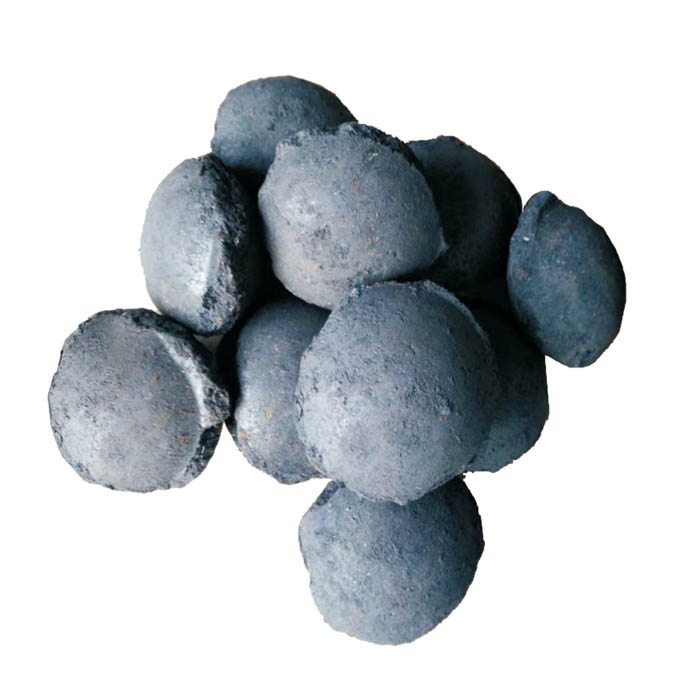
Figure 1: Ferro-Carbon Ball for BOF - Advanced Metallurgical Solution
Technical Specifications
The Ferro-Carbon Ball for BOF is characterized by its precise chemical composition, which ensures optimal performance in the BOF process. The following table outlines the key technical specifications of the product:
| Component | Specification |
|---|---|
| Iron (Fe%) | ≥40% |
| Carbon (C%) | ≥25% |
| Silicon Dioxide (SiO₂%) | ≤10% |
| Sulfur (S%) | ≤0.4% |
| Phosphorus (P%) | ≤0.1% |
| Or as requested by the customer. | |
The high iron and carbon content of the Ferro-Carbon Ball ensures efficient heat generation during the BOF process, while the low levels of sulfur and phosphorus contribute to the production of clean steel. The product's composition can be customized to meet specific customer requirements, making it a versatile solution for a wide range of steelmaking applications.
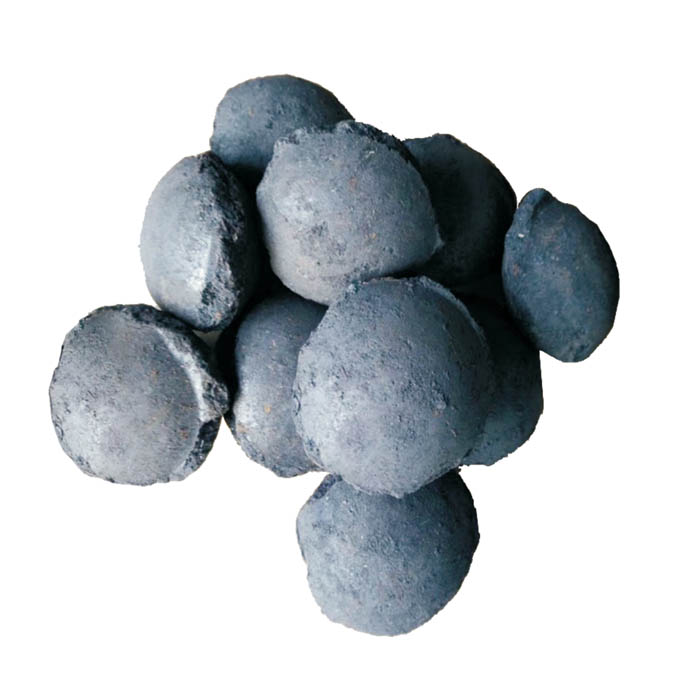
Figure 2: Ferro-Carbon Ball Composition - Precision Engineering for Steelmaking
Applications and Usage
The Ferro-Carbon Ball for BOF is primarily used in the basic oxygen furnace (BOF) process, where it plays a critical role in controlling the temperature and composition of molten steel. The following steps outline the recommended usage of the product:
- Loading of molten iron and scrap: The process begins with the controlled loading of molten iron and scrap into the BOF.
- Addition of ferro-carbon balls: The ferro-carbon balls should be added to the converter after the loading of scrap and before starting to blow. The total amount added in bunches should not be less than 15 kg/ton, with 2-3 kg/ton added each time based on the temperature and slag melting situation.
- Other bulk materials: Other bulk materials are recommended to be added as per standard procedures.
- Data tracking and optimization: During the experiment, it is recommended to track the actual performance and conduct data statistics. The loading time and amount of ferro-carbon balls can be optimized based on the actual condition of the converter.
The application of ferro-carbon balls in the BOF process is a well-established practice, but the precise dosing and timing of their addition are critical to achieving optimal results. By following the recommended usage guidelines, steelmakers can maximize the benefits of this product while minimizing waste and energy consumption.
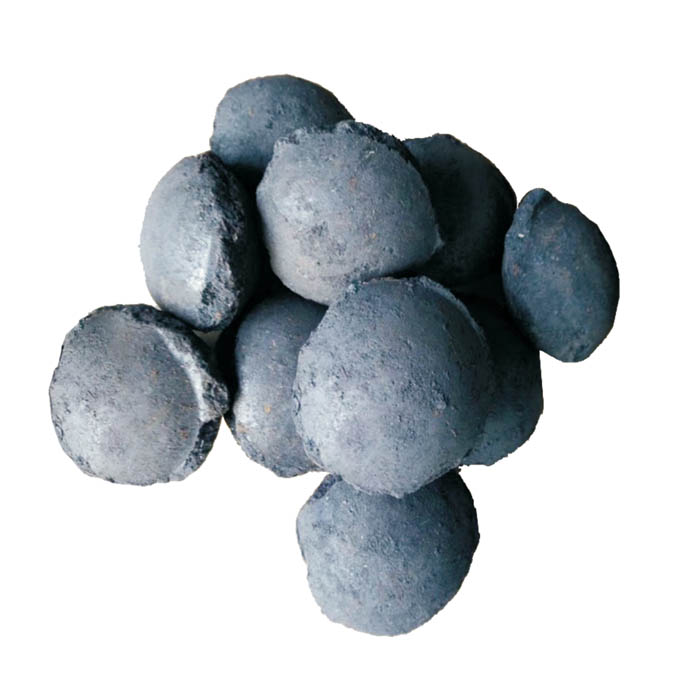
Figure 3: Ferro-Carbon Ball Application in BOF Process - Precision and Efficiency
Key Advantages
The Ferro-Carbon Ball for BOF offers several significant advantages that make it a preferred choice for steelmakers. These benefits are supported by empirical data and industry best practices:
- Temperature control: Adding 1 kg/ton of ferro-carbon balls can increase the end-point temperature of the BOF by approximately 1.4°C. This enhanced temperature control allows for more efficient heat management, reducing the need for additional energy inputs.
- Material efficiency: The use of ferro-carbon balls can reduce the consumption of steel material by about 1.2 kg/ton. This reduction in material usage translates to cost savings and improved resource efficiency.
- Production of clean steel: The low content of trace elements such as sulfur and phosphorus in ferro-carbon balls contributes to the production of clean steel, which is essential for high-quality applications in industries such as automotive and aerospace.
These advantages are not only beneficial for steelmakers but also align with broader industry goals of reducing environmental impact and improving sustainability. By optimizing the BOF process, the Ferro-Carbon Ball for BOF helps reduce greenhouse gas emissions and energy consumption, making it a valuable tool in the transition to greener steelmaking practices.
Company Background: Xingtai Luxi Environmental Protection Technology Co., Ltd.
Xingtai Luxi Environmental Protection Technology Co., Ltd. is a leading manufacturer and supplier of metallurgical materials, specializing in the development and production of advanced solutions for the steelmaking industry. The company's commitment to innovation, quality, and environmental responsibility has established it as a trusted partner for steelmakers worldwide.
With a focus on research and development, Xingtai Luxi continuously strives to improve its products and services to meet the evolving needs of the industry. The company's state-of-the-art facilities and rigorous quality control processes ensure that its products meet the highest standards of performance and reliability. By combining cutting-edge technology with a deep understanding of metallurgical processes, Xingtai Luxi has become a key player in the global steelmaking market.
For more information about Xingtai Luxi Environmental Protection Technology Co., Ltd., visit www.xingtailuxi.com.
Industry Relevance and Expert Insights
The use of ferro-carbon balls in the BOF process is a topic of significant interest in the metallurgical industry. According to the National Institute of Standards and Technology (NIST), the optimization of steelmaking processes through advanced materials and techniques is crucial for improving energy efficiency and reducing environmental impact (NIST, 2023). The Ferro-Carbon Ball for BOF exemplifies this approach, offering a sustainable solution that aligns with industry-wide goals.
Experts in the field emphasize the importance of precise control over chemical composition and thermal dynamics in steelmaking. As noted in a recent study by the NIST, "The integration of high-performance materials like ferro-carbon balls into existing processes can lead to substantial improvements in both operational efficiency and product quality" (NIST, 2023). This underscores the value of the Ferro-Carbon Ball for BOF in modern steelmaking operations.
For further details on the role of advanced materials in steelmaking, refer to the NIST website.
Conclusion
The Ferro-Carbon Ball for BOF represents a significant advancement in steelmaking technology, offering a range of benefits that enhance the efficiency, quality, and sustainability of the production process. Its precise composition, optimal application methods, and proven advantages make it an essential tool for modern steelmakers. Developed by Xingtai Luxi Environmental Protection Technology Co., Ltd., this product exemplifies the company's commitment to innovation and excellence in the metallurgical industry.
As the demand for high-quality steel continues to grow, the role of advanced materials like the Ferro-Carbon Ball for BOF will become increasingly important. By adopting such solutions, steelmakers can not only improve their operational performance but also contribute to a more sustainable future for the industry.
References
NIST (National Institute of Standards and Technology). (2023). Advanced Materials in Steelmaking. Retrieved from https://www.nist.gov
-
Professional Boiler Refractory Material Supplier for Industrial Efficiency
NewsApr.16,2026
-
How to Choose the Best refractory materials suppliers for Success
NewsApr.09,2026
-
Understanding Refractory Bricks Raw Materials for High Temperature Applications
NewsApr.07,2026
-
PLIbrico Refractory Materials Understanding Applications and Benefits
NewsApr.04,2026
-
Advancements in Reversible Thermal Expansion Refractory Materials for High Temperature Applications
NewsMar.31,2026
-
Comprehensive Guide to Refractory Kiln Lining Material Selection and Applications
NewsMar.28,2026