
Sep . 28, 2025 04:40 Back to list
Ferro-Carbon Balls for BOF-Xingtai Luxi Environmental Protection Technology Co., Ltd.|Steelmaking Efficiency&Cost Reduction
Ferro-carbon balls are a critical component in modern steelmaking processes, particularly in Basic Oxygen Furnace (BOF) operations. These specialized materials are designed to enhance the efficiency and quality of steel production by optimizing carbon and iron content in molten steel. This article provides an in-depth analysis of the product's composition, technical specifications, applications, and the company behind it, Xingtai Luxi Environmental Protection Technology Co., Ltd..
Product Overview
Ferro-carbon balls are engineered to meet the stringent demands of industrial steelmaking. They are typically composed of high-purity iron and carbon, with controlled levels of impurities to ensure optimal performance. The product is available in various configurations, as detailed in the product page. Below are the key features and specifications of the ferro-carbon balls.
Composition
The composition of ferro-carbon balls is meticulously balanced to achieve desired metallurgical properties. The following table outlines the key chemical components:
| Component | Percentage (%) |
|---|---|
| Fe (%) | ≥40 |
| C (%) | ≥25 |
| SiO2 (%) | ≤10 |
| S (%) | ≤0.4 |
| P (%) | ≤0.1 |
| Or as requested. | |
The high iron content ensures a robust base for carbon addition, while the elevated carbon levels contribute to the thermal efficiency of the steelmaking process. The low silica, sulfur, and phosphorus content minimizes impurities, which is critical for producing clean steel.
Technical Specifications
The technical specifications of ferro-carbon balls are tailored to meet the requirements of BOF operations. Key parameters include:
- Iron Content (Fe): Minimum 40%
- Carbon Content (C): Minimum 25%
- Impurity Levels:
- Silica (SiO2): Maximum 10%
- Sulfur (S): Maximum 0.4%
- Phosphorus (P): Maximum 0.1%
These specifications are designed to ensure consistency and reliability in steel production. The product can also be customized to meet specific client requirements, as noted in the product page.
Usage and Application
The proper usage of ferro-carbon balls is crucial for maximizing their benefits in BOF operations. The following steps outline the recommended procedure:
- Loading of Molten Iron and Scrap: Ensure that the loading of molten iron and scrap is controlled as per standard practices.
- Addition of Ferro-Carbon Balls: Add the balls to the converter after loading scrap and before starting the blowing process. The total amount added in batches should not be less than 15 kg per ton, with 2–3 kg per ton added at each stage, depending on the temperature and slag melting conditions.
- Other Bulk Materials: Other bulk materials should be added as per normal procedures.
- Performance Tracking: During experiments, monitor the actual performance and collect data. Adjust the loading time and amount of ferro-carbon balls based on the converter's conditions.
The precise addition of ferro-carbon balls helps in achieving the desired end-point temperature and reducing steel material consumption, as detailed in the product page.
Advantages of Ferro-Carbon Balls
Ferro-carbon balls offer several advantages that make them indispensable in modern steelmaking. Key benefits include:
- Temperature Control: Adding 1 kg per ton of ferro-carbon balls can increase the end-point temperature of the BOF by approximately 1.4 degrees Celsius, improving process efficiency.
- Cost Reduction: The use of ferro-carbon balls can reduce steel material consumption by about 1.2 kg per ton, contributing to cost savings.
- Production of Clean Steel: The low content of trace elements in ferro-carbon balls minimizes impurities, facilitating the production of high-quality, clean steel.
These advantages are supported by industry standards and best practices, as emphasized by the National Institute of Standards and Technology (NIST), which highlights the importance of precise material composition in industrial applications (NIST, 2025).
Applications in Steelmaking
Ferro-carbon balls are widely used in the steelmaking industry, particularly in BOF processes. Their primary applications include:
- Carbon Addition: They serve as a reliable source of carbon, ensuring the desired carbon content in molten steel.
- Thermal Efficiency: The high iron and carbon content enhances the thermal efficiency of the steelmaking process.
- Impurity Control: The low levels of sulfur and phosphorus help maintain the purity of the final product.
These applications are critical for producing high-quality steel with consistent properties, as discussed in the product page.
Company Background
Xingtai Luxi Environmental Protection Technology Co., Ltd. is a leading manufacturer of ferro-carbon balls and other industrial materials. With a focus on innovation and quality, the company provides solutions that meet the evolving needs of the steelmaking industry. Their commitment to precision and sustainability is reflected in the production of high-performance ferro-carbon balls.
Product Images
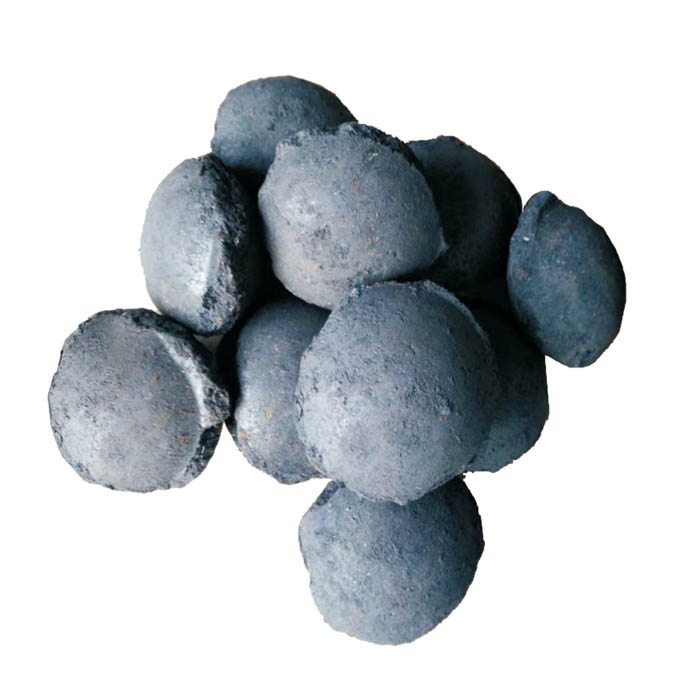
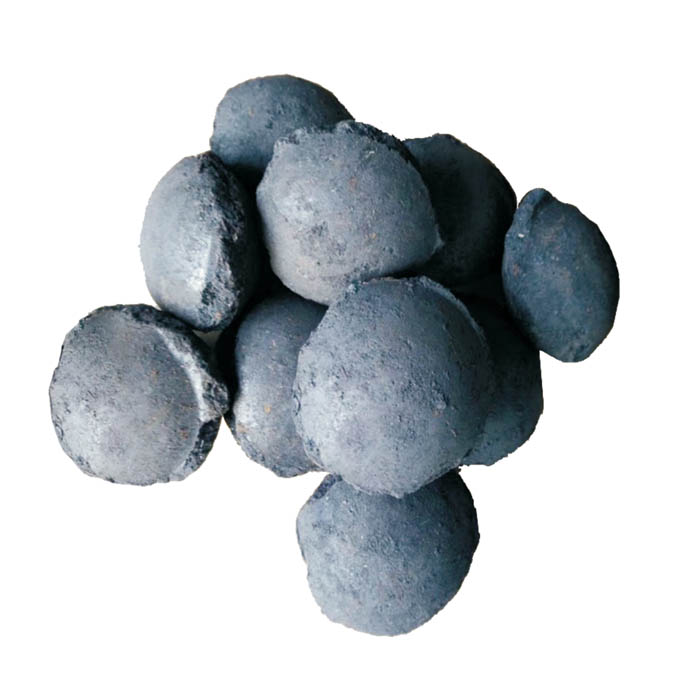
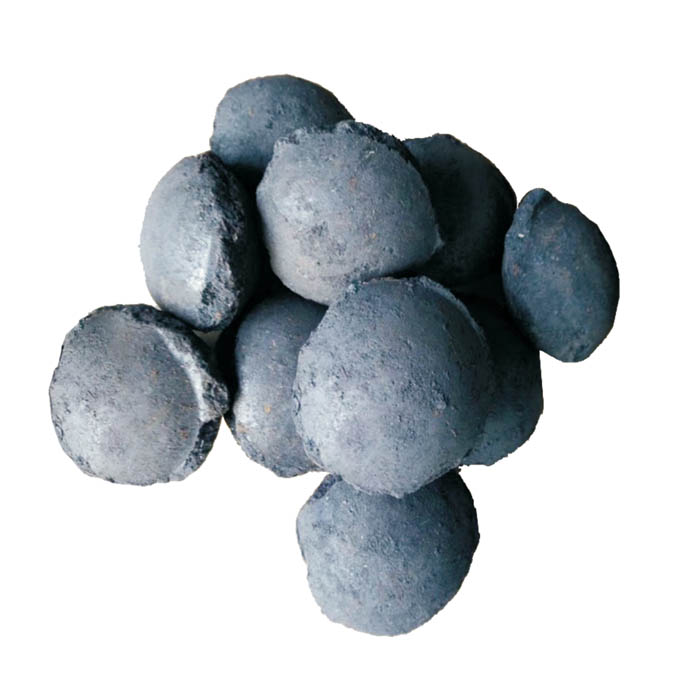
Below are images of the ferro-carbon balls, showcasing their quality and design:
Conclusion
Ferro-carbon balls are an essential component in modern steelmaking, offering numerous benefits such as improved temperature control, cost reduction, and the production of clean steel. The technical specifications and usage guidelines provided by Xingtai Luxi Environmental Protection Technology Co., Ltd. ensure that these materials meet the highest standards of quality and performance. For more information, visit the product page.
References
NIST (National Institute of Standards and Technology). (2025). Importance of Precision in Industrial Materials. Retrieved from https://www.nist.gov.
-
Professional Boiler Refractory Material Supplier for Industrial Efficiency
NewsApr.16,2026
-
How to Choose the Best refractory materials suppliers for Success
NewsApr.09,2026
-
Understanding Refractory Bricks Raw Materials for High Temperature Applications
NewsApr.07,2026
-
PLIbrico Refractory Materials Understanding Applications and Benefits
NewsApr.04,2026
-
Advancements in Reversible Thermal Expansion Refractory Materials for High Temperature Applications
NewsMar.31,2026
-
Comprehensive Guide to Refractory Kiln Lining Material Selection and Applications
NewsMar.28,2026