
Sep . 09, 2025 03:10 Back to list
Ferro-Carbon Balls for BOF - Xingtai Luxi | Steelmaking Efficiency, Clean Steel Production
In the dynamic field of steel production, Ferro-Carbon Balls have emerged as a critical innovation, offering unparalleled benefits for Basic Oxygen Furnace (BOF) operations. Developed by Xingtai Luxi Environmental Protection Technology Co., Ltd., these specialized materials are engineered to optimize steelmaking processes while meeting stringent industry standards. This article explores the technical specifications, applications, and advantages of Ferro-Carbon Balls, supported by authoritative insights from the National Institute of Standards and Technology (NIST).
Product Composition and Technical Specifications
Ferro-Carbon Balls are a composite material designed to deliver precise chemical properties essential for modern steelmaking. Their composition is meticulously balanced to ensure optimal performance:
| Component | Specification |
|---|---|
| Iron (Fe%) | ≥40% |
| Carbon (C%) | ≥25% |
| Silica (SiO₂%) | ≤10% |
| Sulfur (S%) | ≤0.4% |
| Phosphorus (P%) | ≤0.1% |
These specifications ensure the material's stability and compatibility with BOF processes. The low sulfur and phosphorus content (NIST standards for industrial materials emphasize such parameters for clean steel production) minimizes impurities, while the high iron and carbon percentages enhance energy efficiency during steelmaking.
Applications in Steelmaking
Proper application of Ferro-Carbon Balls is crucial for maximizing their benefits. The recommended procedure includes:
- Scrap Loading: Ensure molten iron and scrap are loaded as per standard practices.
- Ball Addition: Add Ferro-Carbon Balls to the converter after scrap loading but before blowing begins. A minimum of 15 kg/ton is required, with 2-3 kg/ton added in multiple batches based on temperature and slag conditions.
- Material Integration: Other bulk materials should be introduced following conventional methods.
- Data Optimization: Monitor performance metrics and adjust loading quantities and timing to suit the converter's operational status.
This systematic approach ensures the material's effectiveness in temperature regulation and material efficiency, as highlighted in NIST research on industrial process optimization.
Key Advantages of Ferro-Carbon Balls
The benefits of using Ferro-Carbon Balls are multifaceted, addressing critical challenges in steel production:
- Temperature Enhancement: Adding 1 kg/ton of Ferro-Carbon Balls can increase the BOF end-point temperature by approximately 1.4°C, improving thermal efficiency.
- Material Savings: This material reduces steel consumption by about 1.2 kg/ton, contributing to cost savings and sustainability goals.
- Environmental Benefits: The low trace element content minimizes emissions, aligning with NIST guidelines for eco-friendly industrial practices.
These advantages underscore the material's role in advancing clean steel production, a priority for modern metallurgical industries.
Company Background: Xingtai Luxi Environmental Protection Technology Co., Ltd.
Based in China, Xingtai Luxi Environmental Protection Technology Co., Ltd. specializes in innovative solutions for the steel and construction sectors. With a focus on sustainability and technological advancement, the company has established itself as a reliable supplier of high-quality materials like Ferro-Carbon Balls. Their commitment to quality is evident in the rigorous testing and customization options available for clients.
As a leader in the building material for round wall industry, Xingtai Luxi ensures that its products meet global standards, supported by their extensive experience in environmental protection technologies.
Visual Representation of the Product
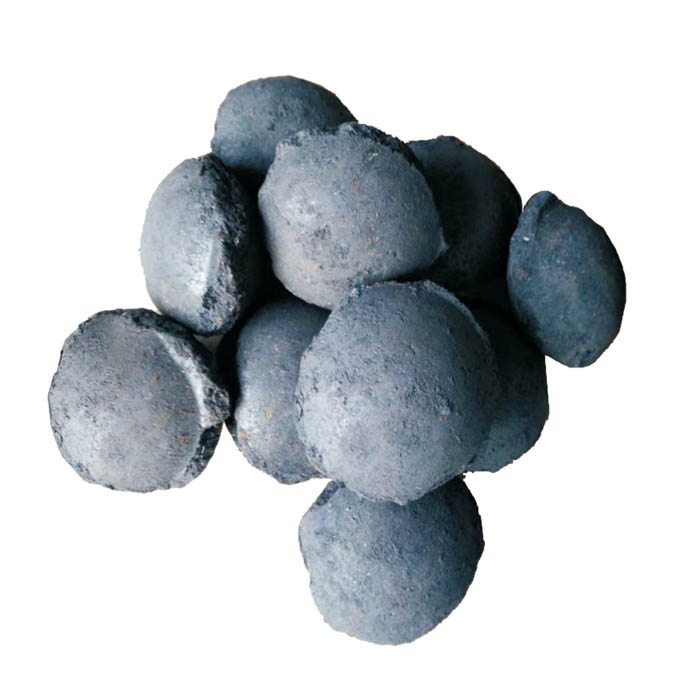
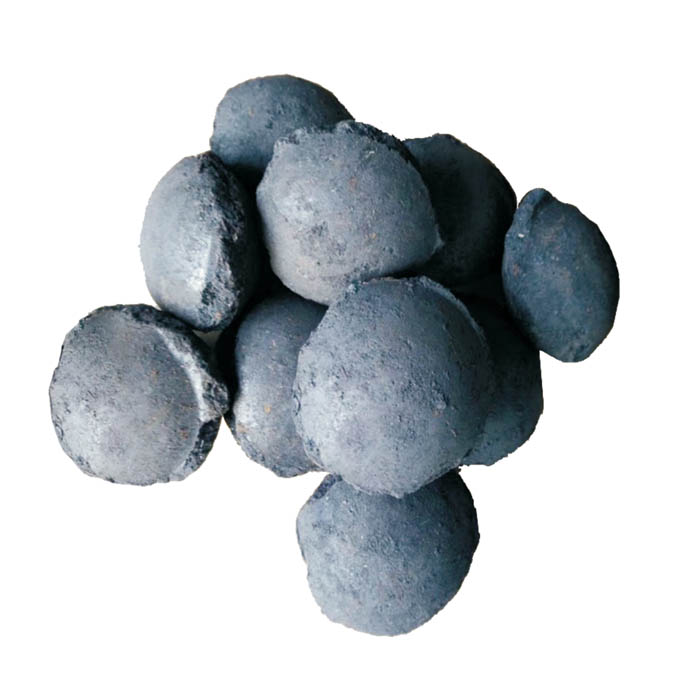
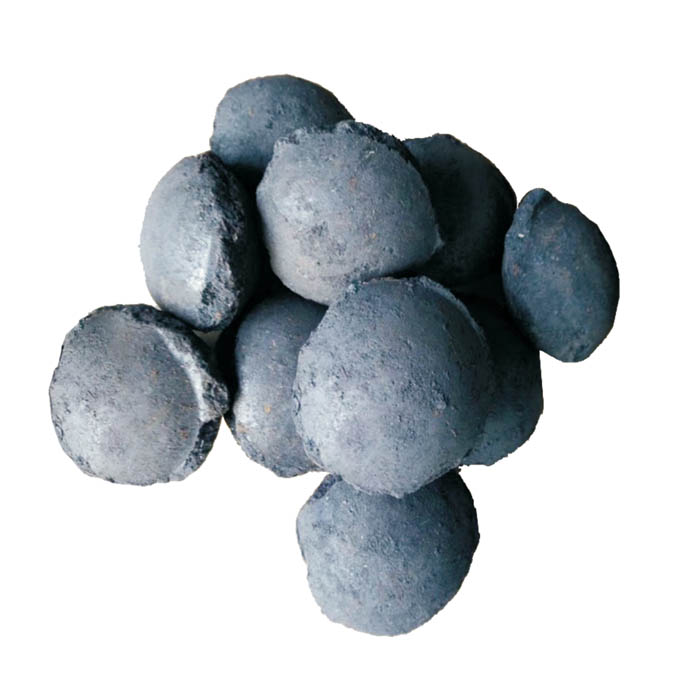
Below are images of the Ferro-Carbon Balls, showcasing their physical characteristics and packaging:
Industry Relevance and Future Prospects
The adoption of Ferro-Carbon Balls reflects a broader trend toward precision and efficiency in steelmaking. As industries strive to meet NIST standards for sustainable manufacturing, such materials are poised to play a pivotal role. Their ability to reduce energy consumption, minimize waste, and improve product quality positions them as a cornerstone of modern metallurgical practices.
For companies seeking to enhance their operational efficiency, Xingtai Luxi Environmental Protection Technology Co., Ltd. offers tailored solutions that align with global industry benchmarks. Their expertise in developing advanced materials ensures that clients remain competitive in an evolving market.
Conclusion
Ferro-Carbon Balls represent a significant advancement in steelmaking technology, combining technical excellence with environmental responsibility. By leveraging the precise composition and application guidelines outlined in this article, manufacturers can achieve remarkable improvements in efficiency and product quality. As the industry continues to evolve, the role of such innovative materials will only grow, driven by the need for sustainable and high-performance solutions.
For more information on Ferro-Carbon Balls or to explore other products from Xingtai Luxi Environmental Protection Technology Co., Ltd., visit their official website. Stay informed about the latest developments in steelmaking and environmental technologies through NIST's research and standards.
References
National Institute of Standards and Technology (NIST). (n.d.). Standards and Measurements. Retrieved from https://www.nist.gov.
-
Professional Boiler Refractory Material Supplier for Industrial Efficiency
NewsApr.16,2026
-
How to Choose the Best refractory materials suppliers for Success
NewsApr.09,2026
-
Understanding Refractory Bricks Raw Materials for High Temperature Applications
NewsApr.07,2026
-
PLIbrico Refractory Materials Understanding Applications and Benefits
NewsApr.04,2026
-
Advancements in Reversible Thermal Expansion Refractory Materials for High Temperature Applications
NewsMar.31,2026
-
Comprehensive Guide to Refractory Kiln Lining Material Selection and Applications
NewsMar.28,2026