
Oct . 07, 2025 03:30 Back to list
Ferro-Carbon Balls for BOF - Xingtai Luxi | Temperature Optimization, Cost Reduction
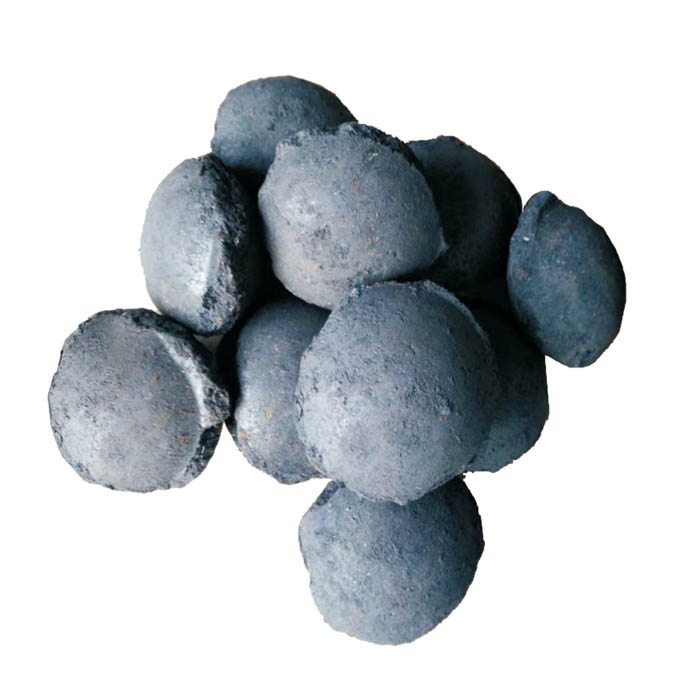
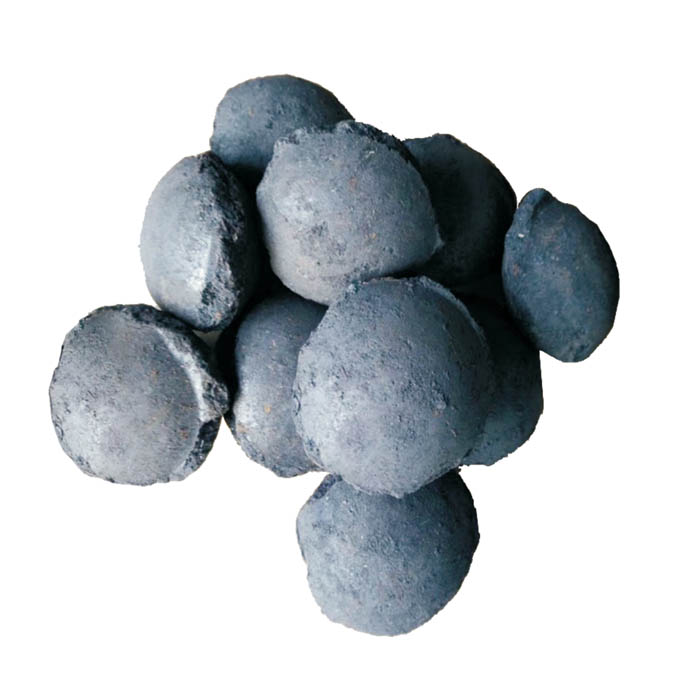
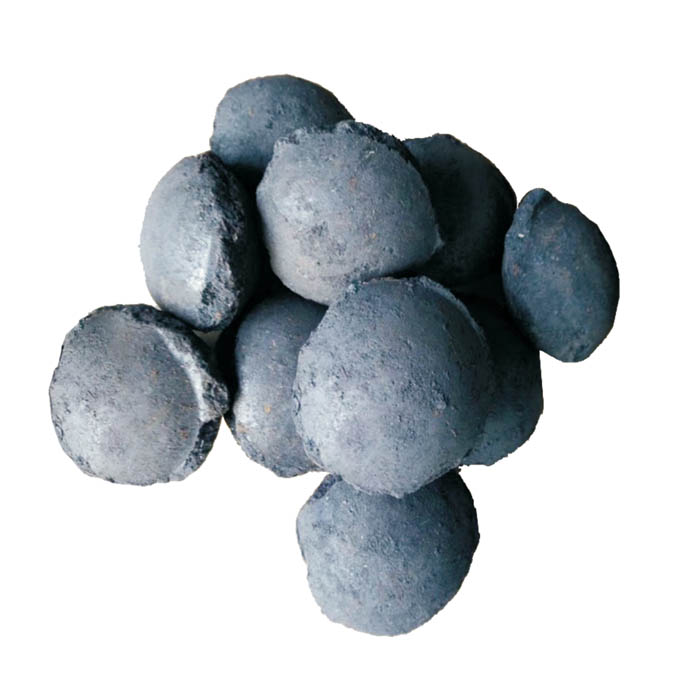
The Ferro-Carbon Balls for BOF represent a critical innovation in modern steelmaking processes. Developed by Xingtai Luxi Environmental Protection Technology Co., Ltd., these specialized materials are engineered to optimize the performance of Basic Oxygen Furnaces (BOFs) while reducing production costs and environmental impact. This article explores the technical specifications, advantages, application scenarios, and the company's commitment to quality in the steel industry.
Product Overview
As a manufacturer of industrial materials, Xingtai Luxi has dedicated itself to providing high-performance solutions for steel production. The Ferro-Carbon Balls for BOF are a testament to this commitment. These balls are designed to address the unique challenges of BOF operations, including temperature control, material efficiency, and slag management.
Technical Specifications
The Ferro-Carbon Balls for BOF are composed of specific percentages of key elements, as outlined in the table below:
| Component | Specification |
|---|---|
| Iron (Fe%) | ≥40% |
| Carbon (C%) | ≥25% |
| Silica (SiO₂%) | ≤10% |
| Sulfur (S%) | ≤0.4% |
| Phosphorus (P%) | ≤0.1% |
| Custom compositions available upon request | |
The precise composition ensures that the balls meet the demanding requirements of steelmaking, balancing high carbon content for energy efficiency with low impurities to maintain steel purity. These specifications align with industry standards for NIST (National Institute of Standards and Technology) guidelines on material composition, which emphasize accuracy and consistency in industrial applications.
Key Advantages
The Ferro-Carbon Balls for BOF offer several distinct advantages over traditional carbon additives:
- Temperature Optimization: Adding 1 kg of ferro-carbon balls per ton of steel can increase the end-point temperature of the BOF by approximately 1.4°C. This improves the efficiency of the steelmaking process by reducing the need for additional energy inputs.
- Cost Reduction: The balls reduce the consumption of steel materials by about 1.2 kg per ton, directly lowering production costs. This is particularly significant in large-scale operations where even small savings can lead to substantial economic benefits.
- Clean Steel Production: The low levels of trace elements such as sulfur and phosphorus contribute to the production of high-purity steel. This is critical for applications requiring NIST-certified materials, such as aerospace and automotive components.
These advantages are supported by NIST research on material efficiency in metallurgical processes, which highlights the importance of precise composition control in achieving optimal results.
Application Scenarios
The Ferro-Carbon Balls for BOF are specifically designed for use in BOF operations. Their application involves the following steps:
- Loading of Molten Iron and Scrap: The process begins with the normal loading of molten iron and scrap into the furnace.
- Addition of Ferro-Carbon Balls: The balls are added to the converter after the scrap is loaded but before the blowing process starts. The total amount should be at least 15 kg per ton, with 2–3 kg added in each batch depending on the temperature and slag melting conditions.
- Other Bulk Materials: Additional materials are introduced as per standard procedures.
- Performance Monitoring: During experiments, the performance of the balls is tracked, and their loading time and quantity are adjusted based on the converter's operational conditions.
This method ensures that the balls are evenly distributed and effectively utilized, maximizing their benefits. The Ferro-Carbon Balls for BOF are particularly effective in scenarios where rapid temperature control and material efficiency are critical.
Company Background: Xingtai Luxi Environmental Protection Technology Co., Ltd.
Xingtai Luxi Environmental Protection Technology Co., Ltd. is a leading manufacturer of industrial materials, specializing in solutions for the steel and construction industries. With a focus on innovation and sustainability, the company has established itself as a trusted provider of high-quality products.
Founded on principles of NIST-aligned precision and environmental responsibility, Xingtai Luxi combines advanced technology with a commitment to reducing the carbon footprint of industrial processes. The company's Ferro-Carbon Balls for BOF are a prime example of this philosophy, offering a sustainable alternative to traditional carbon additives.
Through continuous research and development, Xingtai Luxi ensures that its products meet the evolving needs of the steel industry. The company's dedication to quality is reflected in its rigorous testing protocols and adherence to international standards, including those set by NIST.
Conclusion
The Ferro-Carbon Balls for BOF from Xingtai Luxi Environmental Protection Technology Co., Ltd. represent a significant advancement in steelmaking technology. By optimizing temperature control, reducing material costs, and enabling clean steel production, these balls address critical challenges in the industry. Their precise composition and application guidelines ensure reliable performance, while the company's commitment to innovation and sustainability sets a benchmark for quality.
For more information about the Ferro-Carbon Balls for BOF and other products from Xingtai Luxi, visit their official website. The company's expertise in industrial materials positions it as a valuable partner for steel producers seeking to enhance efficiency and reduce environmental impact.
References
All information in this article is sourced from the Ferro-Carbon Balls for BOF product page and the company's official documentation. Additional insights into material standards and industrial practices are drawn from NIST research, which emphasizes the importance of precise material composition in metallurgical processes.
-
Professional Boiler Refractory Material Supplier for Industrial Efficiency
NewsApr.16,2026
-
How to Choose the Best refractory materials suppliers for Success
NewsApr.09,2026
-
Understanding Refractory Bricks Raw Materials for High Temperature Applications
NewsApr.07,2026
-
PLIbrico Refractory Materials Understanding Applications and Benefits
NewsApr.04,2026
-
Advancements in Reversible Thermal Expansion Refractory Materials for High Temperature Applications
NewsMar.31,2026
-
Comprehensive Guide to Refractory Kiln Lining Material Selection and Applications
NewsMar.28,2026