
Oct . 16, 2025 14:35 Back to list
First Bauxite Exporters | High-Grade Ore, Fast Global Supply
A Field Note on the first bauxite exporters and What Buyers Really Want in 2025
I’ve walked more stockyards than I can count, and—oddly enough—bauxite piles start to tell stories after a while. The market is brisk, pricing is twitchy, and quality assurance is where deals are won. From Longgang to Kamsar, the conversation is the same: stable Al2O3, manageable SiO2, predictable lead times. Below is what’s actually moving the needle for procurement teams sourcing from the first bauxite exporters.
What buyers are asking for (and bragging about later)
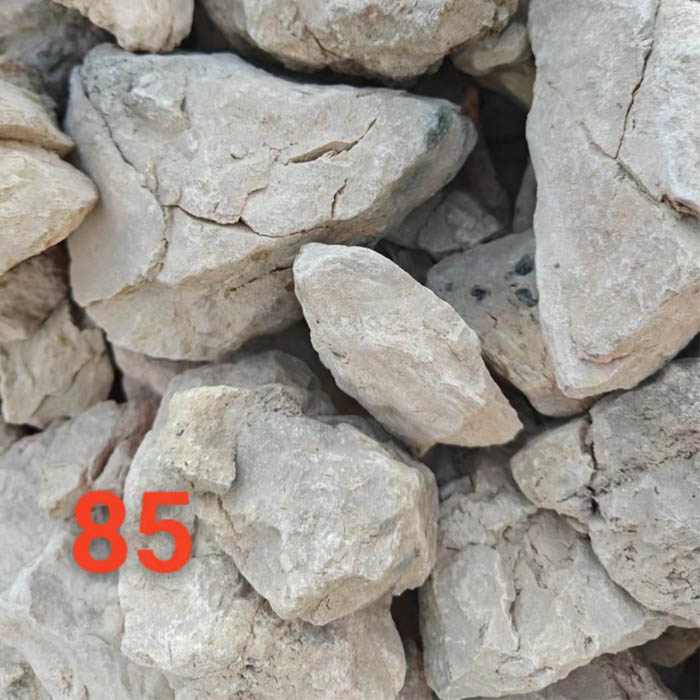
- Consistent calcined grades for refractories and abrasives, with Al2O3 often ≥ 85–88%.
- Tight sizing for monolithic refractories or proppants; oversize fines are a real headache.
- Transparent test data: XRF certificates and third-party sampling to ISO protocols. Honestly, anything less raises eyebrows.
Process flow most buyers expect
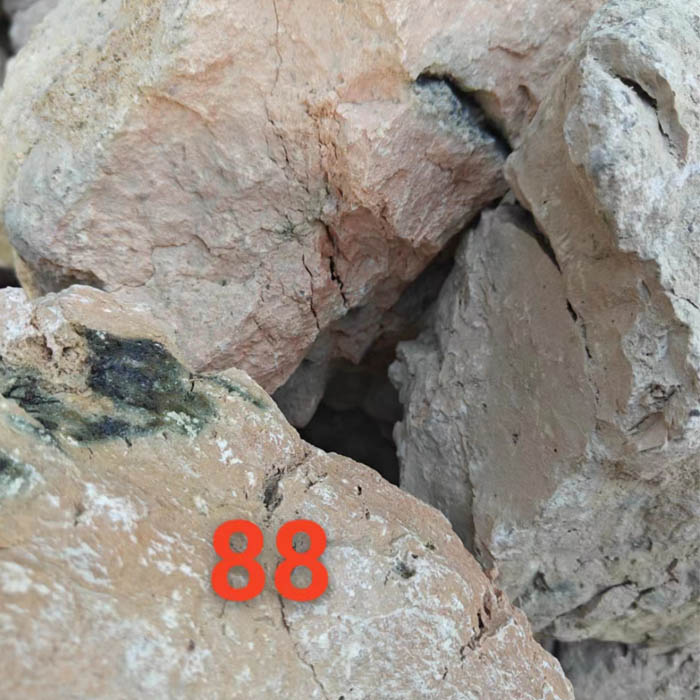
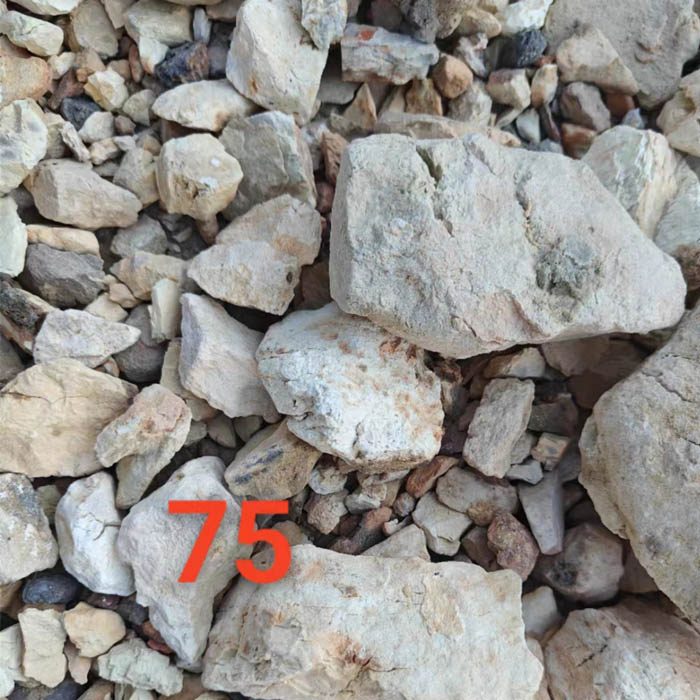
Materials: gibbsite/boehmite-rich bauxite from Hebei’s Xingtai basin and comparable deposits; selective mining to reduce reactive silica. Methods: crushing → washing/beneficiation → drying → calcination (≈1450–1650°C, application-specific) → sizing → magnetic separation → final QC. Testing standards: ISO-aligned sampling (see refs), XRF for Al2O3/SiO2/Fe2O3, LOI, bulk density; refractories tested per ASTM methods. Service life: in real plants, high-grade calcined bauxite extends ladle lining campaigns by a few heats—customers tell me 8–15% improvement isn’t unusual, though mill practice varies. Industries: refractories, alumina refineries, abrasives, ceramic proppants, cement, skid-resistant aggregates.
Product snapshot — Bauxite (calcined/washed)
| Parameter | Typical value (≈) | Method / Standard |
|---|---|---|
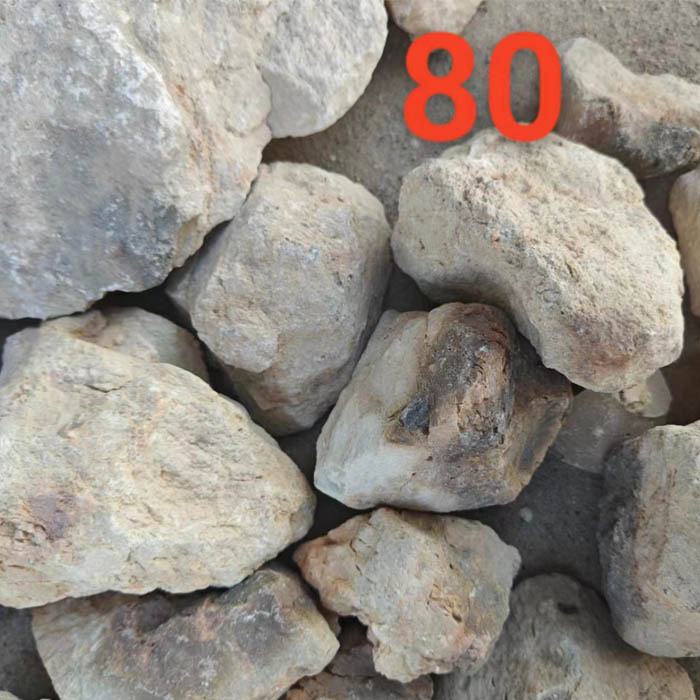
| Al2O3 | 85–88% | XRF; ISO-aligned sampling |
| SiO2 (T) | < 6.0% | XRF |
| Fe2O3 | 1.5–2.5% | XRF |
| Bulk density | > 3.30 g/cm³ | ASTM C20 (refractory) |
| CCS (aggregate-based castables) | Typically high; mix-dependent | ASTM C133 |
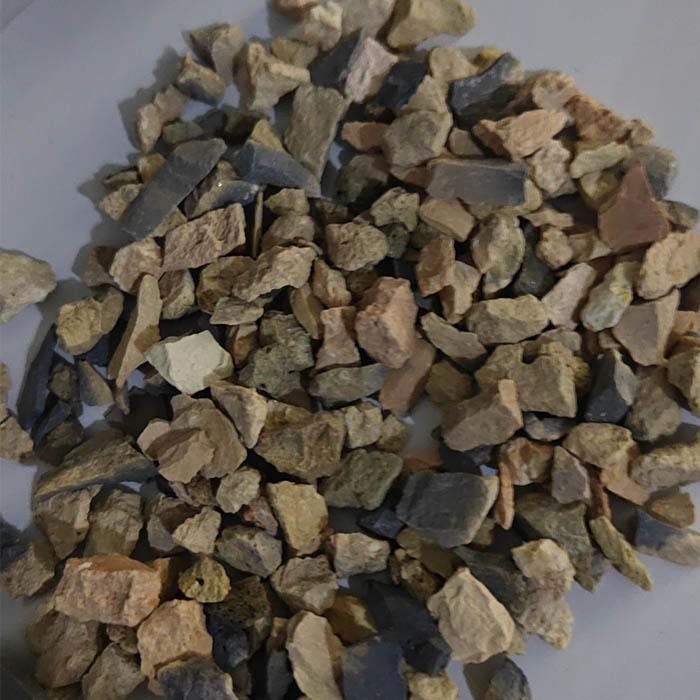
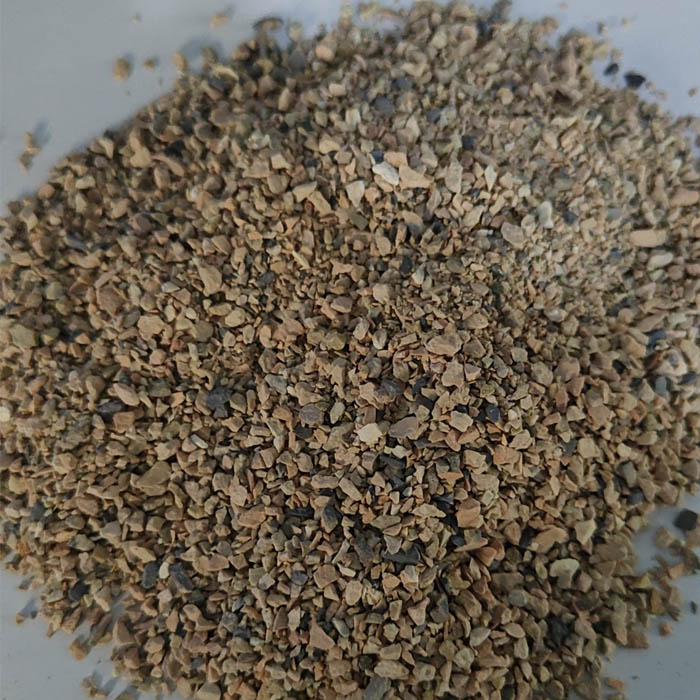
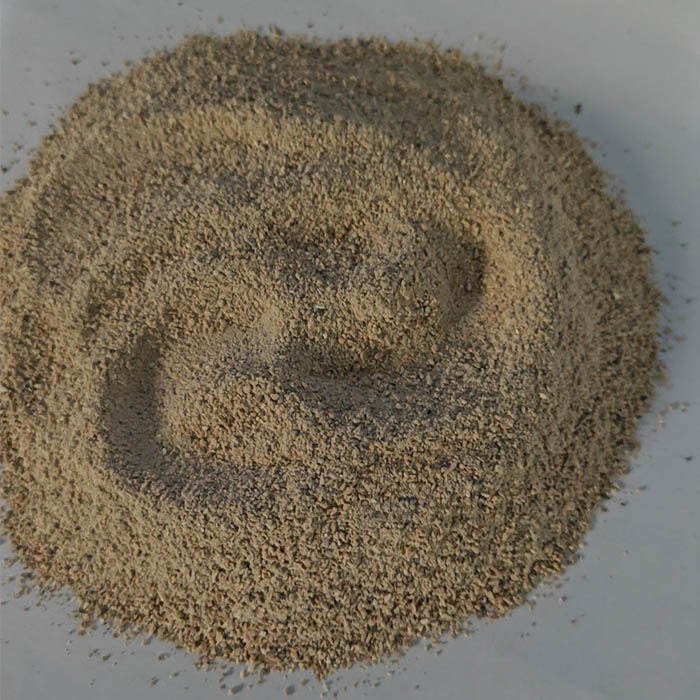
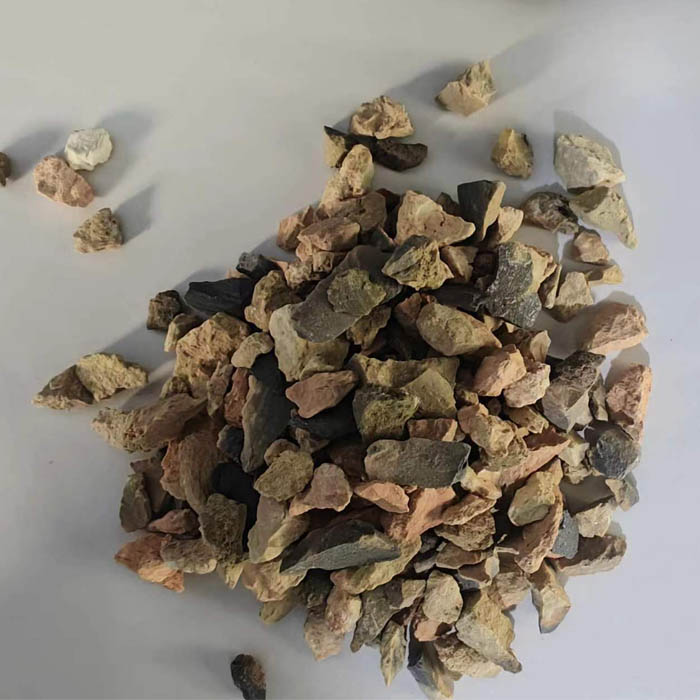
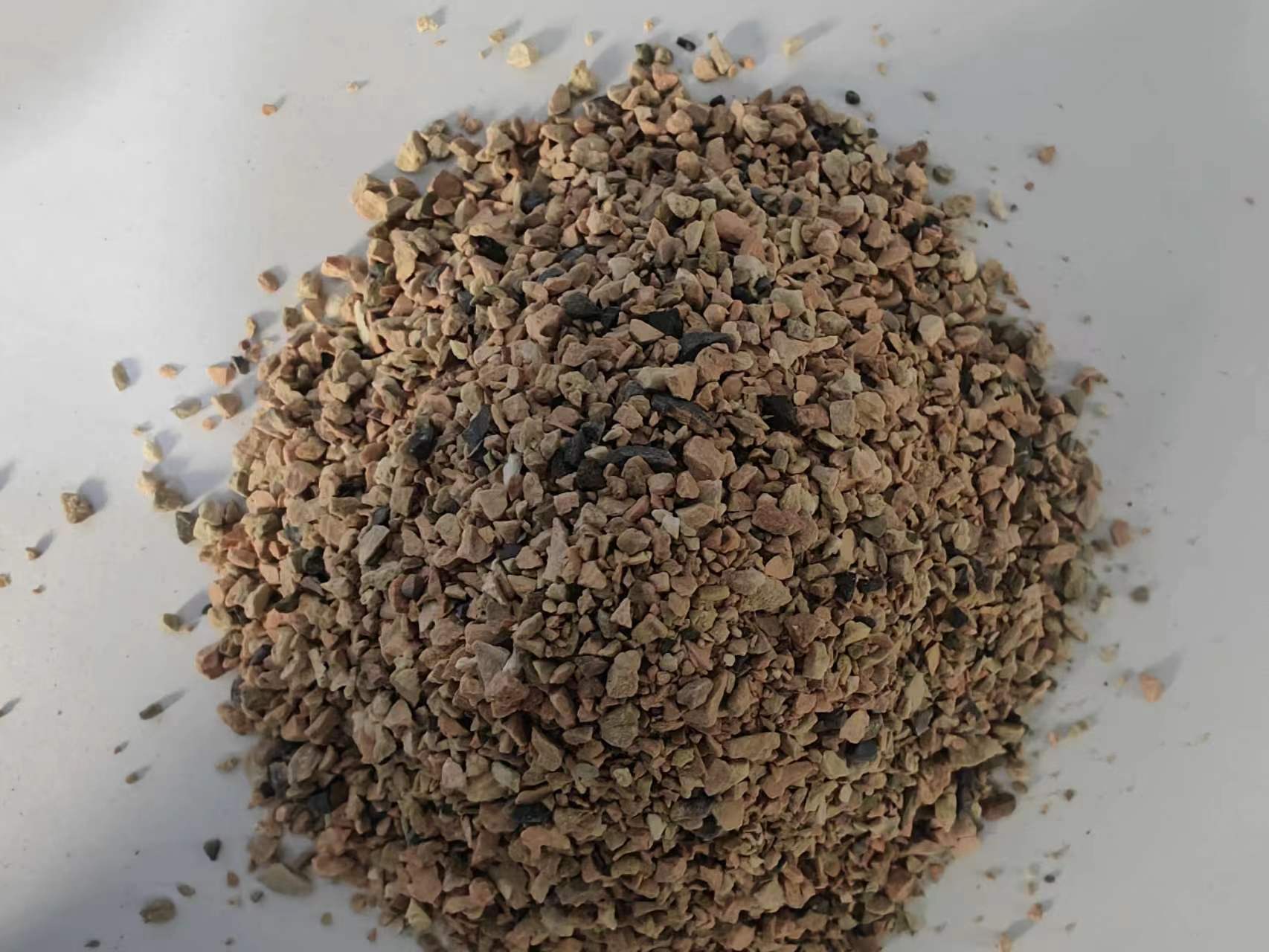
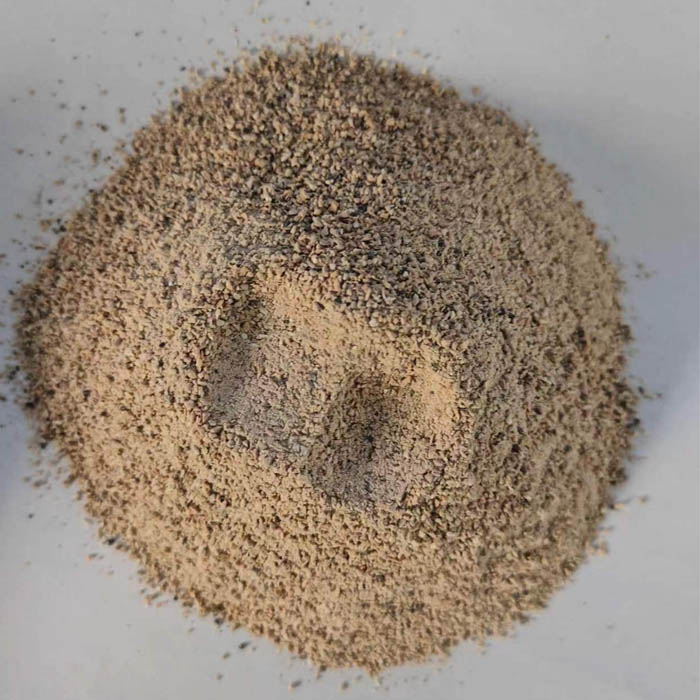
| Sizes | 0–1, 1–3, 3–5, 5–10 mm; custom | Screened, ISO sampling |
Customization that matters
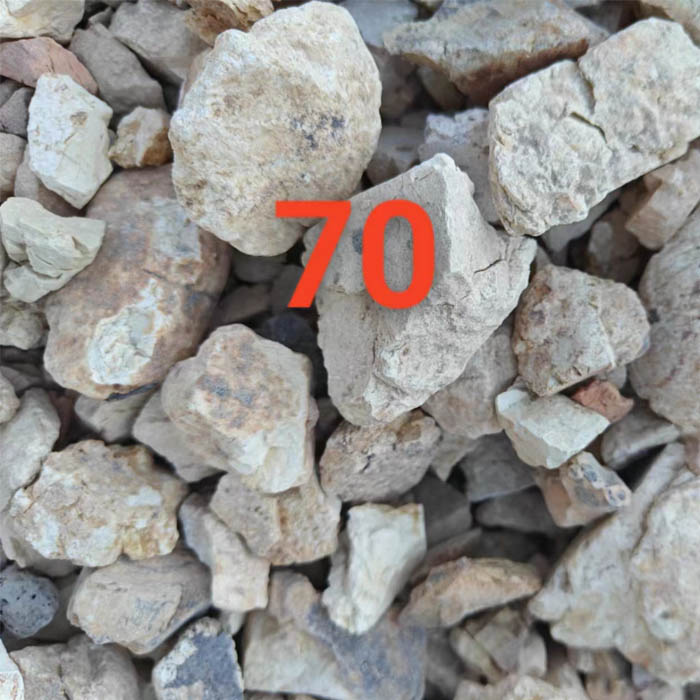
From the Longgang Economic Development Zone in Xingtai, Hebei, we’ve seen strong demand for low-Fe grades for brown fused alumina feed, and tight 0–1 mm cuts for LCC castables. Moisture-controlled packaging (lined big bags), CIQ/SGS inspection, and ISO 9001/14001 documentation are practically mandatory among first bauxite exporters.
Vendor comparison (indicative, real-world may vary)
| Vendor | Origin | Al2O3 | SiO2 | Lead time | Certs | Notes |
|---|---|---|---|---|---|---|
| Hebei-based exporter | China (Xingtai) | 85–88% | <6% | 2–4 weeks | ISO 9001/14001 | Strong sizing control |
| Guinea exporter | West Africa | 45–62% (raw), higher after calcination | Varies | 3–6 weeks | SGS, ISO | Large volumes |
| Australia exporter | Oceania | High-grade raw | Low–medium | 3–5 weeks | ISO, third-party | Stable logistics |
Applications and field feedback
Refractory castables (EAF/ladle back-up), high-friction road surfacing, and alumina refining. A European steel client told me their slag-line repair windows shortened by ~10% after switching to tighter-graded calcined bauxite—small gain, but it pays back every week. Another customer in abrasives appreciated the low-Fe spec for color consistency. That’s the kind of practical win the first bauxite exporters lean on.
Quality, testing, and documents
Expect ISO-style sampling, XRF COAs per lot, moisture control, and if you’re shipping via monsoon routes, go for extra liners—learned that one the hard way. Third-party inspection (SGS/CIQ) is routine among first bauxite exporters. Real-world numbers will vary by pit and firing curve, but transparency is non-negotiable.
Final take
If you’re sourcing from Hebei’s Longgang Economic Development Zone (Xingtai), you’ll get competitive calcined options, flexible sizing, and quick ships. To be honest, the market rewards the teams who ask for sampling plans up front and lock specs with test methods in the contract.
Authoritative citations
- USGS Mineral Commodity Summaries: Bauxite and Alumina, latest edition.
- International Aluminium Institute (IAI), Bauxite and Alumina Statistics and LCI datasets.
- ISO 8685: Aluminium ores — Sampling procedures.
- ASTM C133: Standard Test Methods for Cold Crushing Strength and Modulus of Rupture of Refractories; ASTM C20: Apparent Porosity, Water Absorption, and Bulk Density of Burned Refractory Brick.
-
Professional Boiler Refractory Material Supplier for Industrial Efficiency
NewsApr.16,2026
-
How to Choose the Best refractory materials suppliers for Success
NewsApr.09,2026
-
Understanding Refractory Bricks Raw Materials for High Temperature Applications
NewsApr.07,2026
-
PLIbrico Refractory Materials Understanding Applications and Benefits
NewsApr.04,2026
-
Advancements in Reversible Thermal Expansion Refractory Materials for High Temperature Applications
NewsMar.31,2026
-
Comprehensive Guide to Refractory Kiln Lining Material Selection and Applications
NewsMar.28,2026