
Oct . 21, 2025 11:40 Back to list
First Bauxite Exporters | High-Grade Ore, Reliable Supply
Who’s Really Leading the Bauxite Trade Right Now?
If you’ve been scanning the bulk minerals market, you’ve probably heard the same whisper I have: First Bauxite Exporters are not always the biggest miners, but the most reliable converters and shippers with consistent chemistry and testing discipline. That’s the quiet edge.
What buyers actually want (and complain about)
In conversations with procurement teams across steel, cement, proppants, and ceramics, the refrain is similar: stable Al2O3, low reactive SiO2, predictable sizing, and honest moisture declarations. Many customers say they’ll pay a bit more to avoid stockpile surprises. To be honest, that’s why some of the First Bauxite Exporters earn repeat orders—less drama at the kiln door.
Origin and material basics
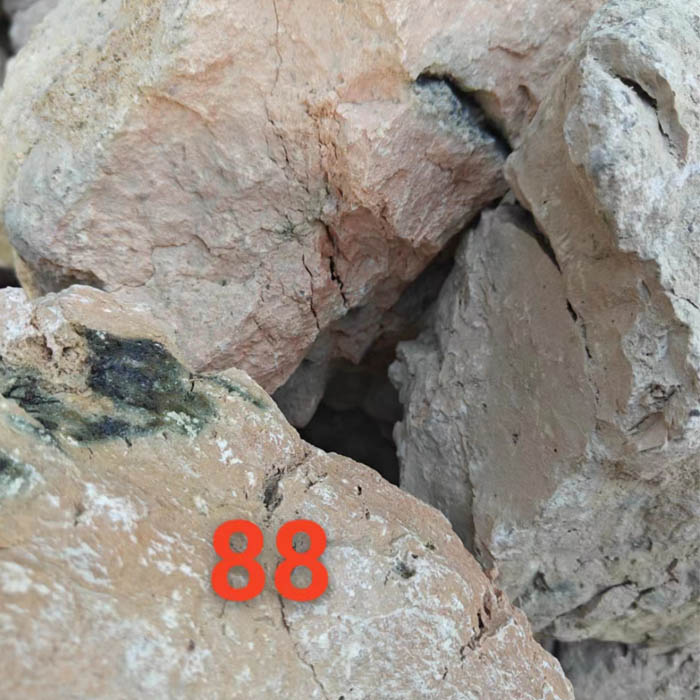
Bauxite is a family of ores dominated by gibbsite, boehmite, and diaspore—feedstock for alumina, yes, but also the backbone of high-alumina refractories and shaped/unshaped products. One established export base I’ve tracked sits at No.3 Longyang South Road, Longgang Economic Development Zone, Xindu District, Xingtai, Hebei, China—close to rail and port consolidation, which helps on lead time in peak season.
Process flow (field notes)
- Selective mining → primary crushing → dry/wet screening
- Calcination (≈ 1350–1600°C for refractory grades) → stabilization cooling
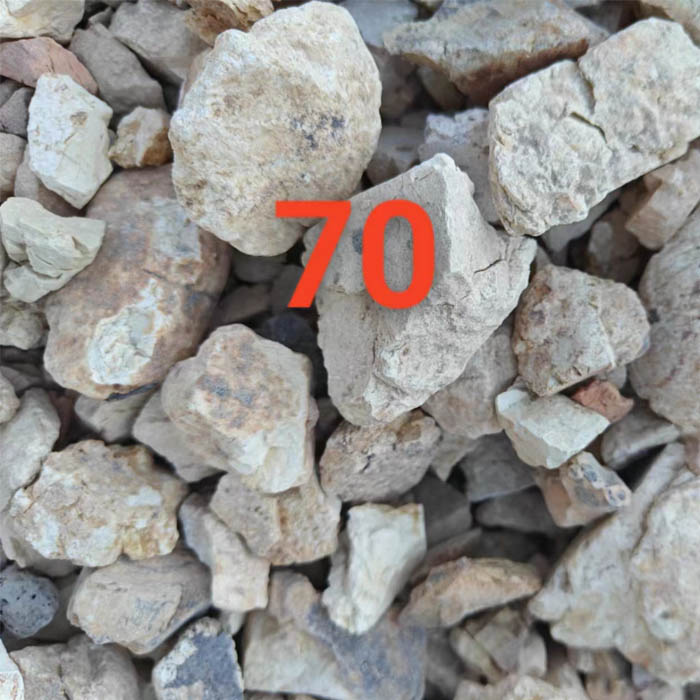
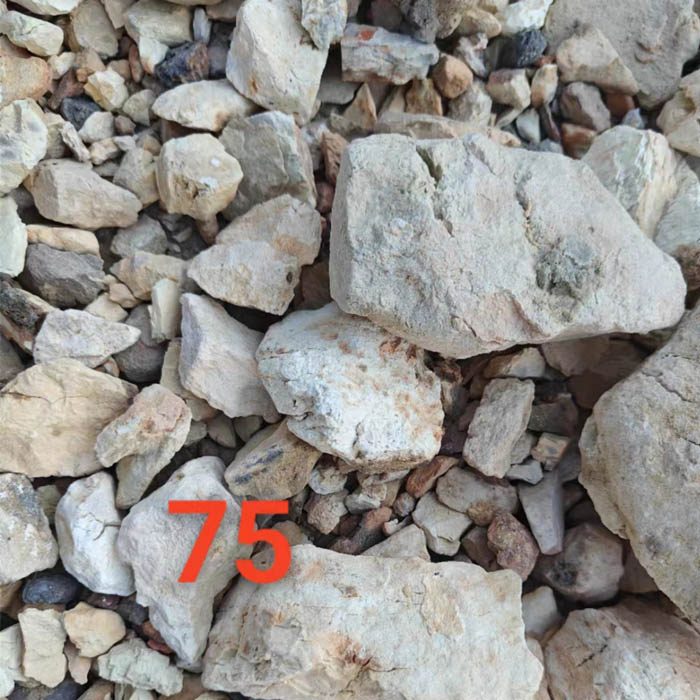
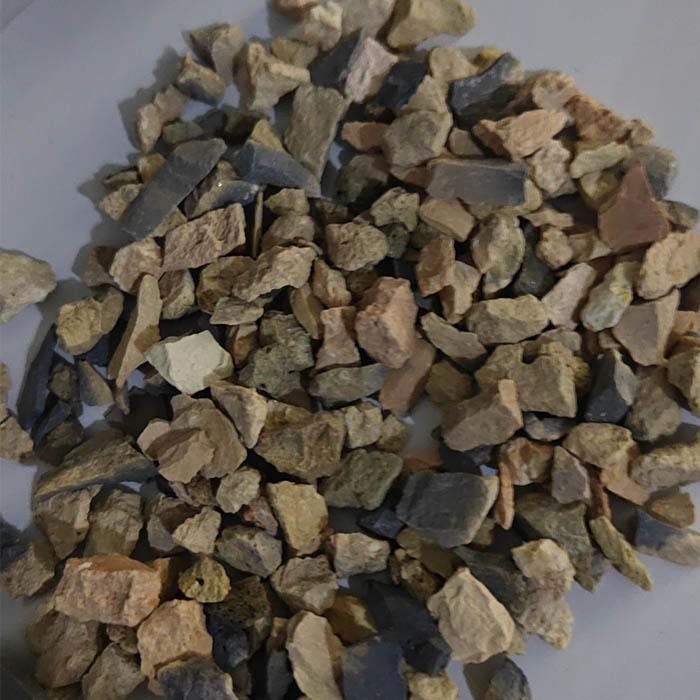
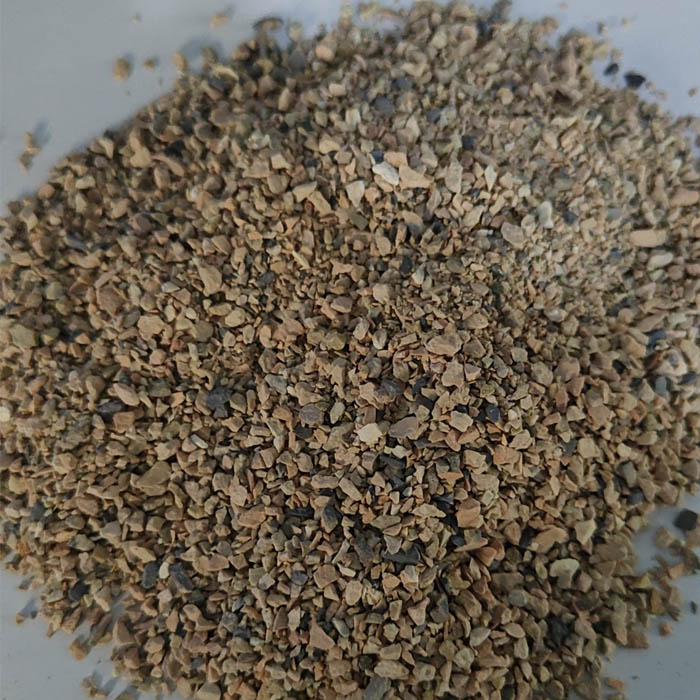
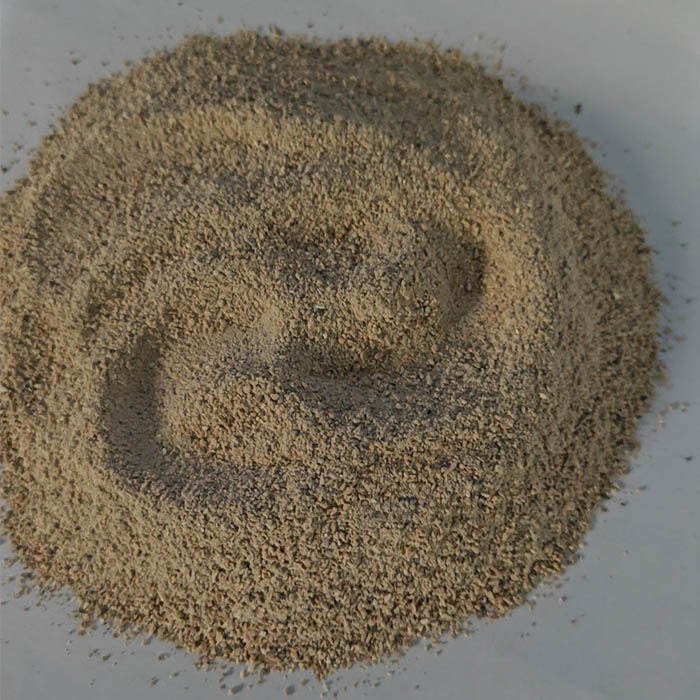
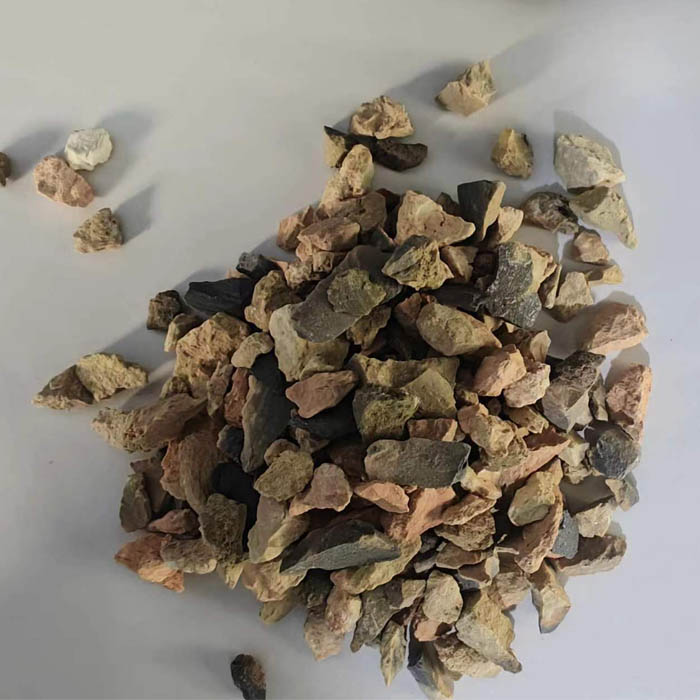
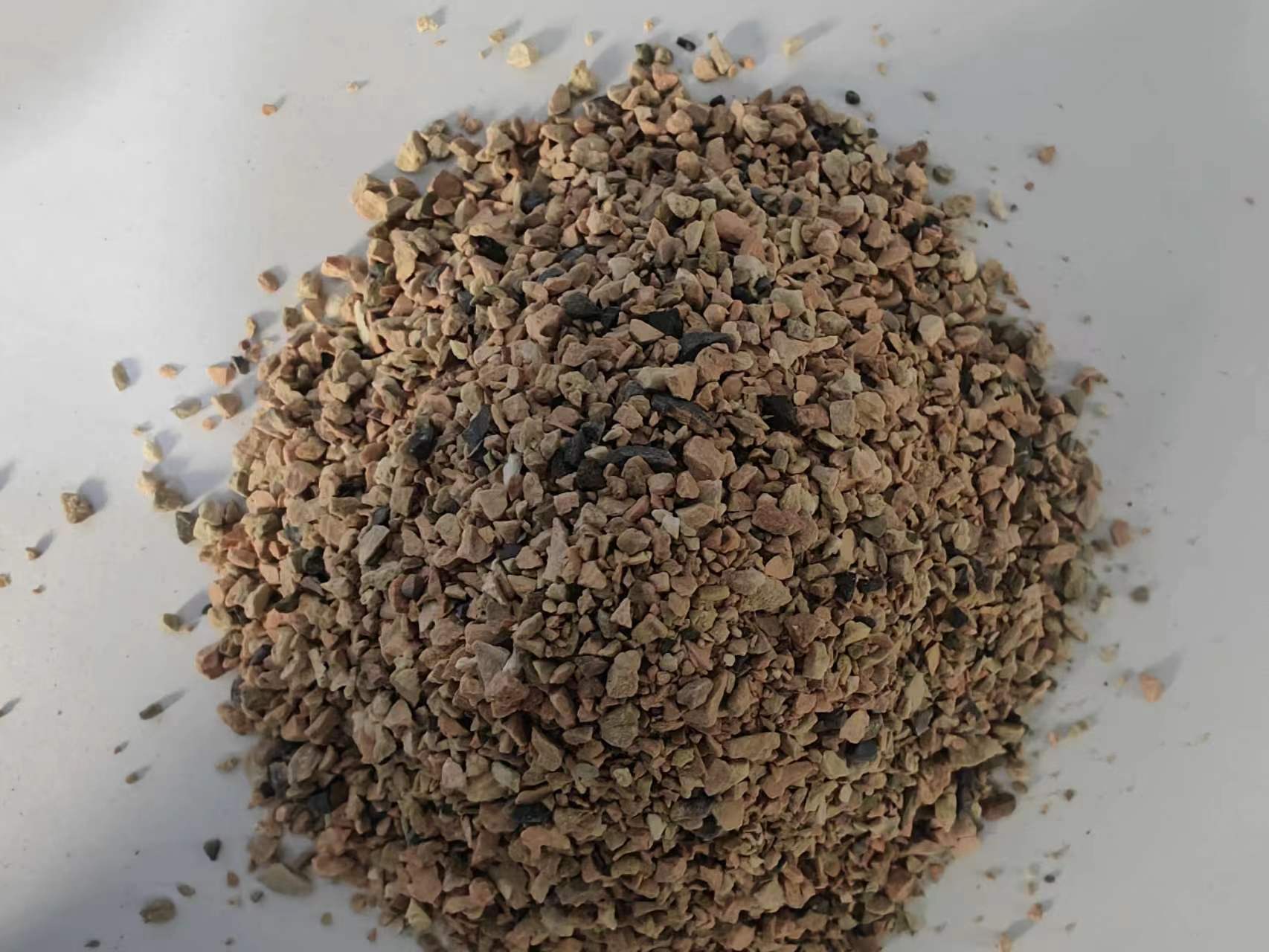
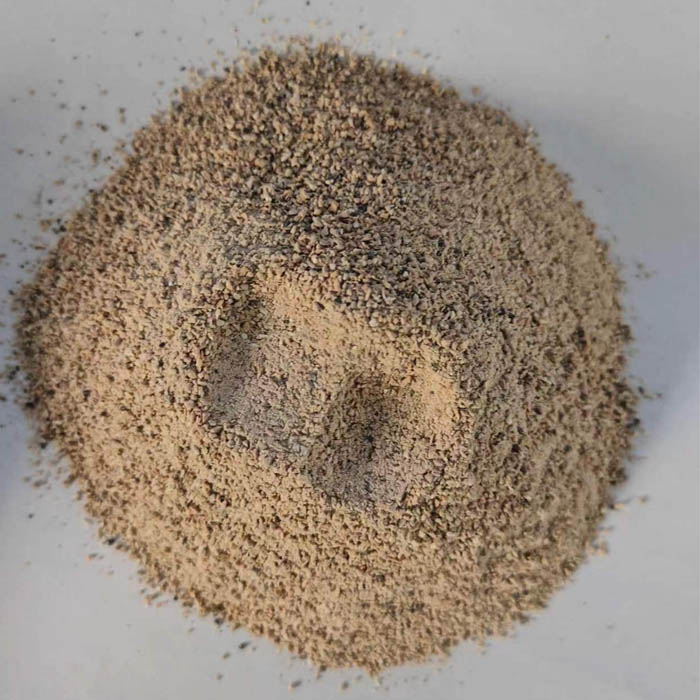
- Secondary crushing → sizing (0–1mm, 1–3mm, 3–5mm, 5–10mm, 200 mesh)
- QC: XRF chemistry, LOI, bulk density (ISO 5017), abrasion/impact (ASTM C704), moisture (ASTM C566)
- Packing: 1 MT jumbo or 25 kg bags on pallets; desiccant as needed
Typical specifications
| Grade | Al2O3 ≈% | SiO2 ≈% | Fe2O3 ≈% | Bulk Density ≈ g/cm³ | Common Sizes |
|---|---|---|---|---|---|
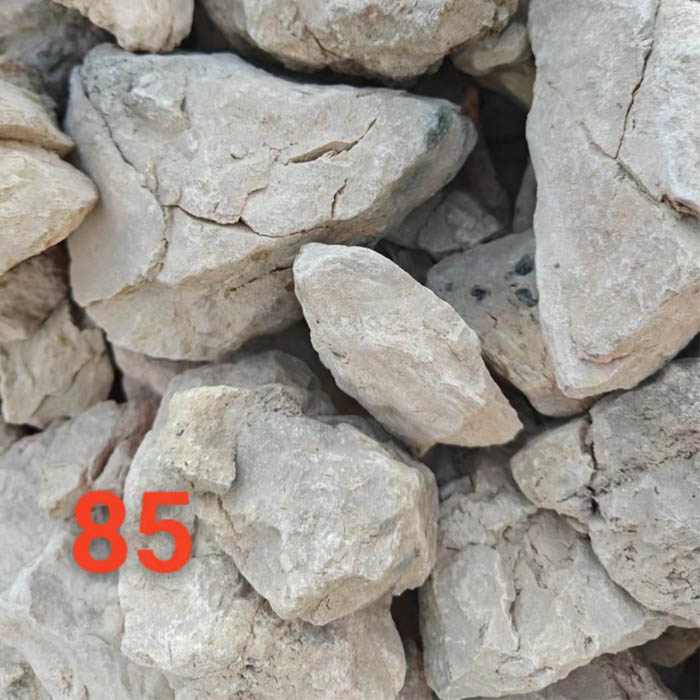
| Calcined 85 | 85 | 3.15–3.25 | 0–1, 1–3, 3–5, 5–10mm; 200 mesh | ||
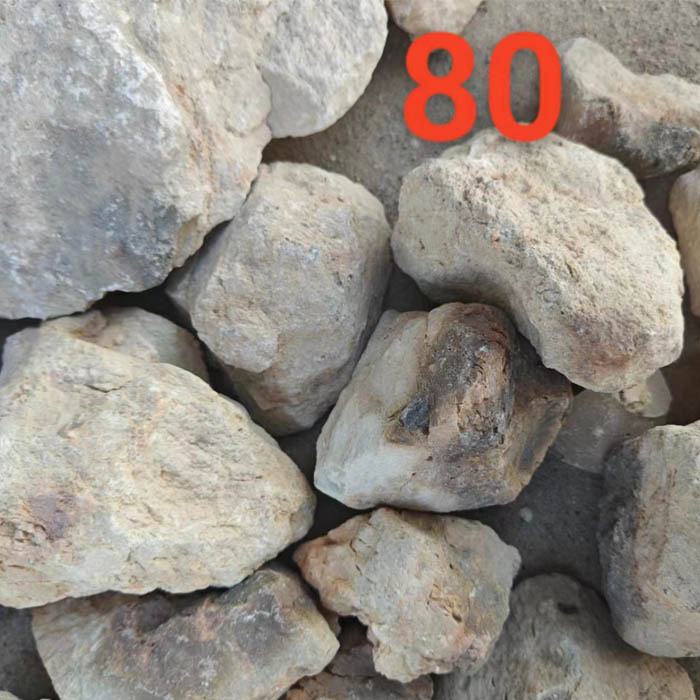
| Calcined 80 | 80 | 3.05–3.15 | as above | ||
| Raw (metallurgical) | 50–60 | 5–12 | 1–3 | 2.6–2.9 | lumps or fines |
Real-world performance varies with matrix design, binder, and furnace conditions.
Applications and service life
- Refractories: ladles, BF runners, tundish mixes; lining life ≈ 12–24 months in steady ops. RUL often >1500°C; CCS depends on recipe, but 60–90 MPa with proper binders is common.
- Cement kilns: calcined bauxite aggregate improves thermal shock resistance—operators report fewer mid-season patching stops.
- Proppants: density and sphericity are key; controlled calcination helps.
Standards, testing, and certifications
Responsible exporters align to ISO 9001/14001, allow third-party inspection (SGS, BV), and ship with COA showing XRF, LOI, BD (ISO 5017), particle size, and moisture. For alumina routes, conformity with Bayer-process input specs and trace Na2O checks matter more than people think.
Vendor landscape (quick comparison)
| Vendor | Origin | Typical Al2O3 | Calcined/Raw | Certs | Lead Time | Notes |
|---|---|---|---|---|---|---|
| Xingtai (Hebei) | China | 80–85% | Both | ISO 9001/14001 | 2–4 weeks | Tight sizing, flexible packing |
| Guinea Consortium | Guinea | 45–60% | Raw | Export Lic. | 3–6 weeks | Strong for alumina refineries |
| Australian Miner | Australia | 50–62% | Raw | ISO | 4–7 weeks | Stable supply lanes |
Customization buyers ask for
- Tailored calcination for density/porosity balance
- Tight PSD for low cement castables (e.g., 0–0.5 mm)
- Moisture control ≤0.5% for winter shipments
- Packaging: UV-stable jumbo, inner PE liner, palletization
Case notes (brief)
- Southeast Asia cement line: switching to 85% calcined bauxite aggregate added ≈ 4–5 months kiln lining life, according to maintenance logs.
- Turkish steel mini-mill: tundish mixes with low Na2O bauxite reduced nozzle clogging events—operators were a bit surprised, frankly, by the consistency.
Why some suppliers rank as First Bauxite Exporters
It comes down to predictable chemistry, transparent test data, realistic ETAs, and decent after-sales support. Actually, nothing fancy—just discipline and a phone that gets answered.
References
- USGS Mineral Commodity Summaries: Bauxite and Alumina [2024].
- ISO 5017: Refractory products—Determination of bulk density and apparent porosity.
- ASTM C704/C704M: Abrasion resistance of refractory materials at room temperature.
- World Aluminium data center: alumina and bauxite statistics.
-
Professional Boiler Refractory Material Supplier for Industrial Efficiency
NewsApr.16,2026
-
How to Choose the Best refractory materials suppliers for Success
NewsApr.09,2026
-
Understanding Refractory Bricks Raw Materials for High Temperature Applications
NewsApr.07,2026
-
PLIbrico Refractory Materials Understanding Applications and Benefits
NewsApr.04,2026
-
Advancements in Reversible Thermal Expansion Refractory Materials for High Temperature Applications
NewsMar.31,2026
-
Comprehensive Guide to Refractory Kiln Lining Material Selection and Applications
NewsMar.28,2026