
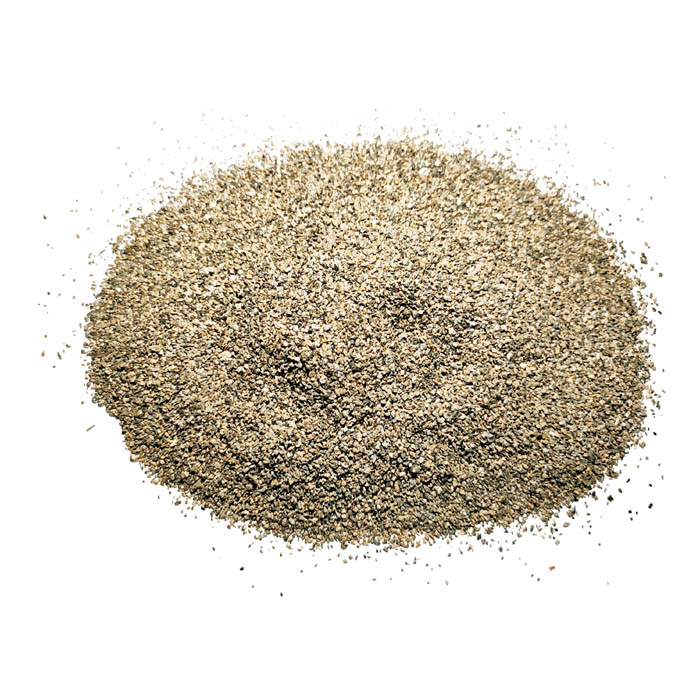
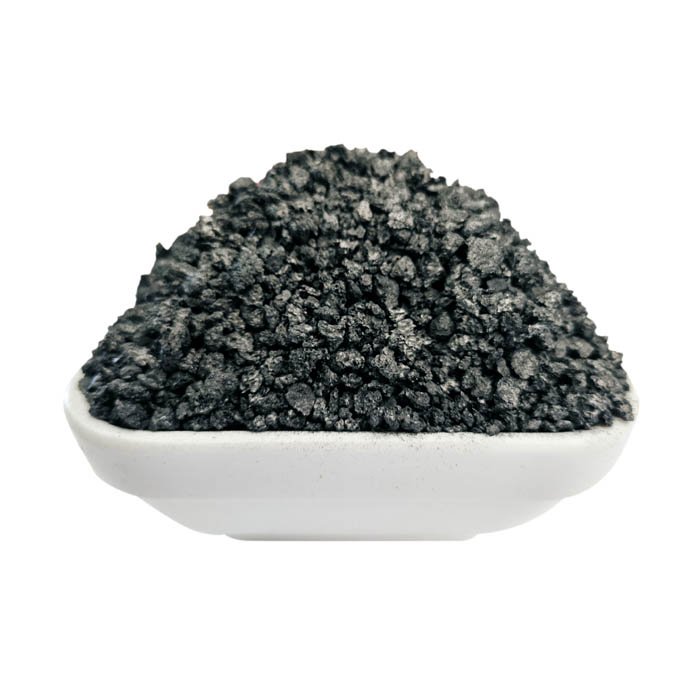
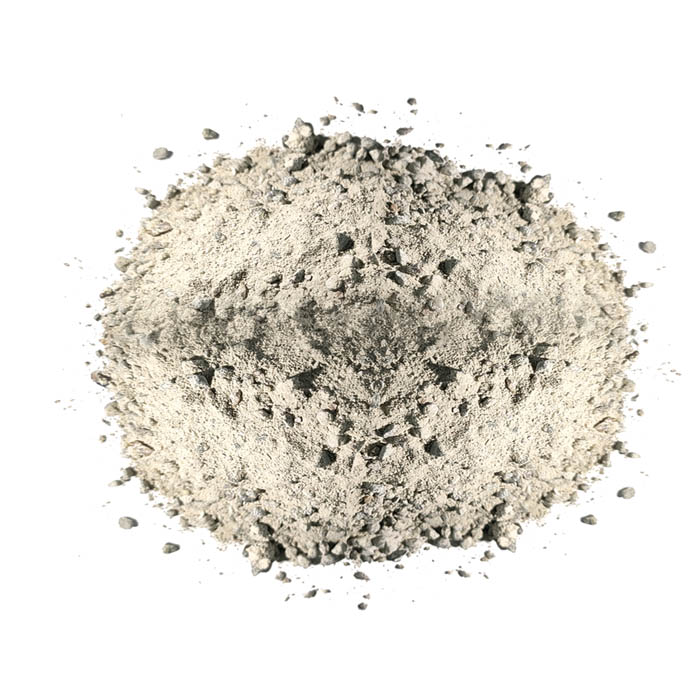
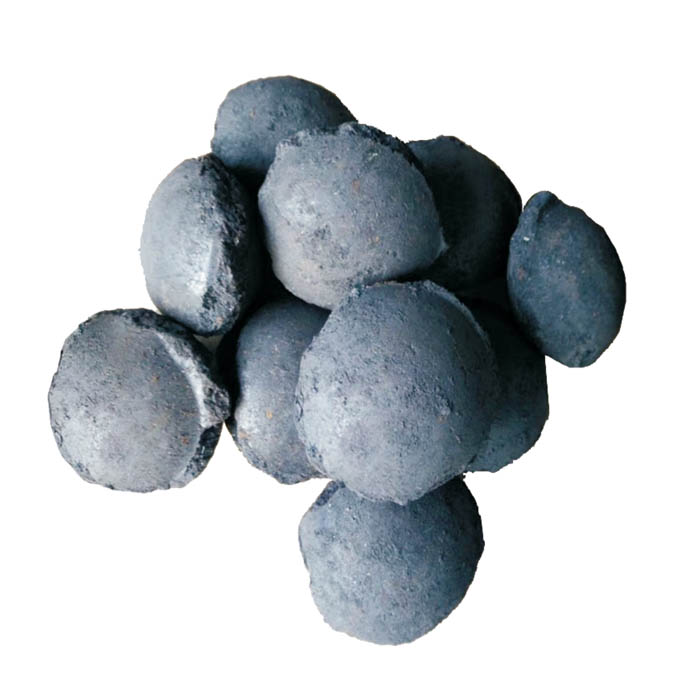
High-Performance Graphitized Petroleum Coke Solutions for Chile's Metallurgy

Optimizing ferroalloy smelting and steel production in the Andean region with premium carbon additives and metallurgical materials.

High-Performance Graphitized Petroleum Coke Solutions for Chile's Metallurgy

Providing Chile's heavy industry with an integrated supply chain of high-purity carbon raisers and essential smelting agents to enhance the efficiency of black metal processing.

Current State of Ferroalloy Smelting in Chile

Analyzing the intersection of copper-centric mining and steel processing infrastructure.

Chile's metallurgical landscape is heavily dominated by the copper industry, yet the demand for high-quality metallurgical material is rising as the country diversifies its industrial output. The smelting plants in Northern Chile face unique challenges due to extreme altitude and arid conditions, affecting the thermal efficiency of furnaces.

Currently, the reliance on imported carbon raiser is high, as local production struggles to meet the precise sulfur and ash requirements of modern electric arc furnaces. The industry is shifting towards higher purity inputs to reduce slag volume and energy consumption per ton of output.

Furthermore, the integration of calcined bauxite in refractory linings has become critical for Chilean plants to withstand the corrosive nature of high-temperature ferroalloy smelting, ensuring longer equipment lifespans in the rugged Andean environment.
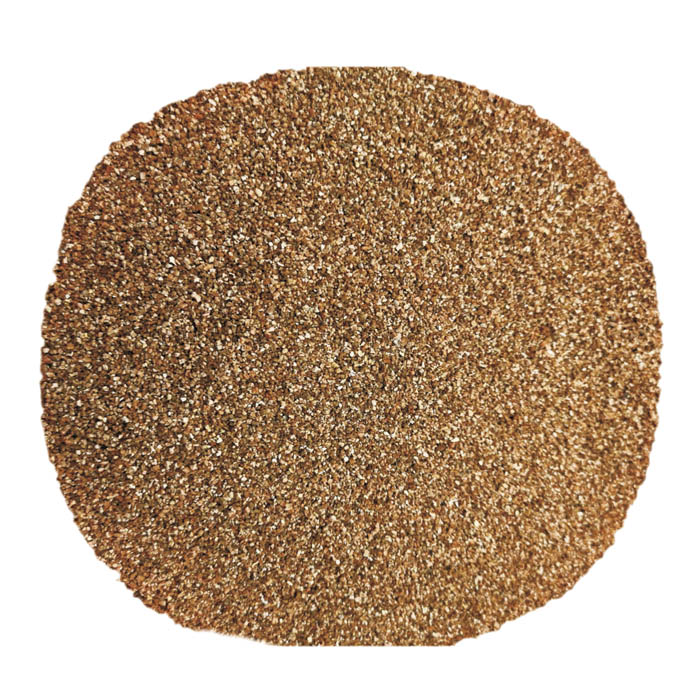
Evolution of Metallurgical Processing in Chile

From basic smelting to precision alloy engineering.

Market Development History

In the late 20th century, Chilean smelting relied on traditional blast furnace technologies with low-grade carbon inputs, resulting in significant emissions and inconsistent alloy quality.

Between 2005 and 2015, the industry underwent a "Digital Transition," adopting automated dosing systems for graphitized petroleum coke, which allowed for tighter control over the carbon content in steel production.

From 2016 to the present, there has been a decisive shift toward "Green Metallurgy," emphasizing the use of low-impurity materials and the production of high-strength steel wire rod for the expanding mining infrastructure.

Future Development Trends

Decarbonization of Smelting

Transitioning from traditional coke to bio-based or ultra-pure carbon raisers to meet strict South American environmental accords.

Smart Refractory Integration

Implementing nano-structured calcined bauxite to increase the thermal shock resistance of furnaces in variable mountain climates.

Precision Alloy Customization

Moving toward "on-demand" chemical compositions for specialized steel wire rod used in deep-pit mining cable systems.

Industry Trends and Future Outlook

Strategic directions for the next 3-5 years in the Chilean metallurgical sector.

Ultra-Low Sulfur Transition
Increased adoption of high-purity carbon additives to eliminate sulfur impurities in specialized alloys.
Energy Efficiency Optimization
Utilizing advanced metallurgical materials to reduce the melting point and energy cost per batch.
Mining Infrastructure Demand
Surging demand for high-tensile steel wire rod for the deep-mining projects across Chile.
Circular Economy Integration
Implementing closed-loop recycling for slag and refining agents to reduce waste in smelting.

Industry Outlook

Google search trends for "sustainable metallurgy" in South America indicate a 25% year-over-year increase, suggesting that Chilean firms will prioritize materials that reduce CO2 footprints. The transition toward hydrogen-based reduction may eventually alter the role of traditional carbon raisers, but the immediate 5-year window remains focused on efficiency.

Strategic stockpiling of premium metallurgical material will be essential for Chilean plants to mitigate supply chain volatility from Asia and Europe, ensuring continuous operation of critical smelting lines.

Localized Application Scenarios in Chile

Practical implementations of ferroalloy materials in regional industrial hubs.

1. Atacama Mining Support Infrastructure

Utilization of specialized steel wire rod to manufacture high-load cables for open-pit mining, ensuring safety under extreme thermal expansion cycles.

2. Antofagasta Smelting Refinement

Application of ultra-pure graphitized petroleum coke as a precise carbon source in electric arc furnaces to produce low-sulfur ferroalloys.

3. Central Valley Steel Mill Optimization

Integrating high-grade carbon raiser to accelerate the carburization process, reducing energy consumption by 12% per heat.

4. Northern Border Refractory Upgrades

Deploying calcined bauxite for the construction of wear-resistant furnace linings that withstand the chemical aggression of slag.

5. Santiago Industrial Component Casting

Combining various metallurgical material inputs to create custom alloys for automotive and agricultural machinery parts.

Brand Story

Global Development Journey of Xingtai Luxi Environmental Technology Co., Ltd.

Industrial Foundation

Established with a focus on high-purity carbon materials, solving the core pain point of impurity-driven defects in ferroalloy smelting.

Technological Breakthrough

Developed advanced graphitization processes that significantly increased the efficiency of carbon absorption in steel production.

Market Expansion

Extended our supply chain reach to South America, specifically targeting the demanding smelting standards of the Chilean market.

Eco-Innovation

Integrated environmental protection protocols into the production of calcined bauxite and petroleum coke, reducing industrial emissions.

Global Leadership

Recognized as a premier partner for metallurgical materials, delivering precision carbon solutions to the world's most rugged industrial zones.

Comprehensive Product Portfolio for Chile's Metallurgy

A one-stop source for smelting agents and high-strength steel products.

Common Questions in Chile's Smelting Industry

Expert answers to the most frequent technical challenges in ferroalloy production.

How does graphitized petroleum coke improve smelting efficiency in Chile?

It provides a higher carbon yield and lower impurity levels compared to standard coke, which reduces the number of smelting cycles needed to reach target carbon levels, significantly lowering energy costs.

What is the optimal carbon raiser for low-sulfur steel production?

Our high-purity carbon raisers are specifically engineered to keep sulfur levels below 0.1%, making them ideal for high-grade steel alloys used in mining machinery.

Why is calcined bauxite critical for Andean smelting furnaces?

Due to the high thermal stresses in mountain-based plants, calcined bauxite provides the necessary refractory strength and corrosion resistance against acidic slags.

Can steel wire rod be customized for deep-pit mining applications?

Yes, we provide steel wire rods with enhanced tensile strength and anti-corrosive coatings specifically for the geological conditions found in Chilean mines.

What are the lead times for bulk metallurgical material shipments to Valparaíso?

Depending on the volume, we typically offer streamlined logistics that ensure delivery within 30-45 days from order confirmation to arrival at the port.

How do I verify the purity of the delivered carbon raisers?

Every shipment includes a comprehensive Certificate of Analysis (CoA) detailing carbon content, ash, and sulfur levels, verifiable by third-party laboratories.

Request Your Custom Metallurgy Quote

Our technical team is ready to optimize your smelting processes across Chile. Contact us for tailored carbon and alloy solutions.

Contact Us Now

If you are interested in our products, you can choose to leave your information here, and we will be in touch with you shortly.