
Oct . 07, 2025 09:10 Back to list
Looking for carbon petroleum coke exporters with low sulfur?
Carbon Petroleum Coke Exporters: an insider’s 2025 field note on GPC
If you’re scanning the market for carbon petroleum coke exporters, here’s what I’m seeing on the ground: buyers are prioritizing low‑sulfur, low‑nitrogen Graphitized Petroleum Coke (GPC) that hits target carbon quickly and cleanly. Freight is still lumpy, specs are tightening, and actual furnace behavior matters more than brochure promises. To be honest, that last bit hasn’t changed in years.
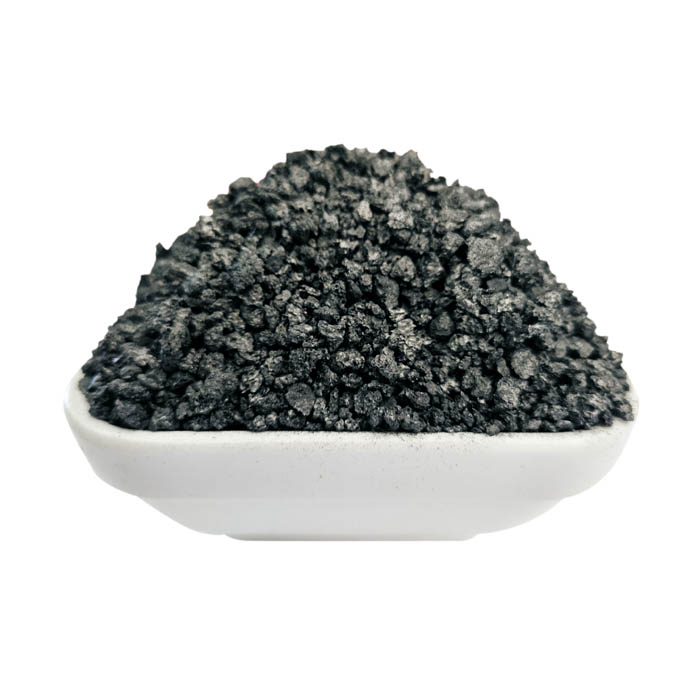
What GPC buyers really want now
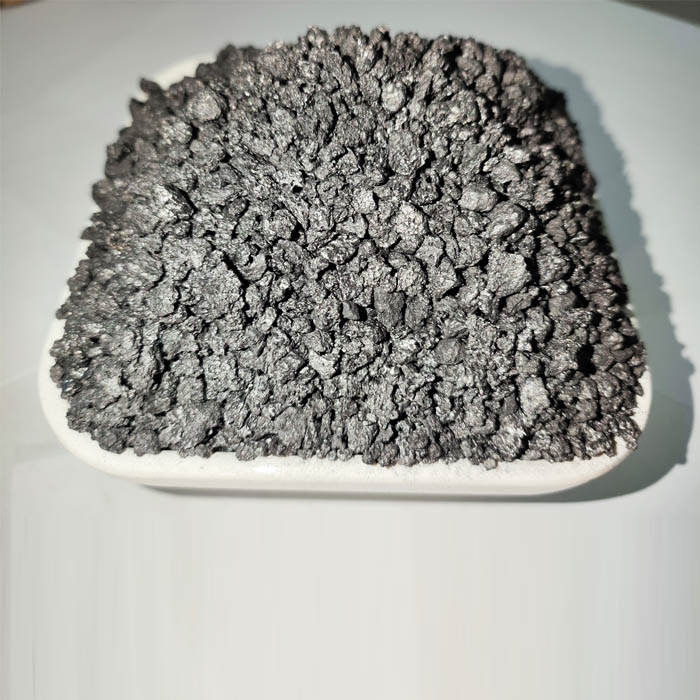
The sweet spot: fast carbonization, minimal nitrogen pickup, and traceable QA. Xingtai Luxi’s Graphitized Petroleum Coke|Gpc leans into this with a high‑temperature reduction and graphitization route, delivering strong carbonization capacity—many customers say it shortens their heat time and trims the production cycle. Honestly, when cycles shrink by minutes, the math gets compelling.
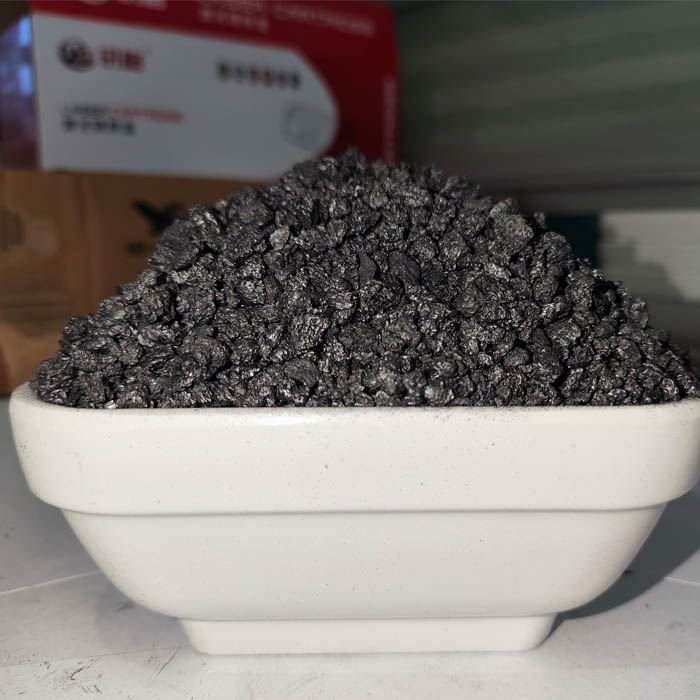
Typical product specs (field-proven ranges)
Real-world use may vary by heat practice and furnace design.
| Parameter | Typical GPC | Notes/Standard |
|---|---|---|
| Fixed Carbon | ≥99.0% (≈98.5–99.5%) | ASTM D5373 |
| Sulfur | ≤0.03–0.05% | ASTM D4239 / ISO 12981‑1 |
| Nitrogen | ≤0.03% | ASTM D5373 |
| Ash | ≤0.2–0.5% | ASTM D4422 |
| Volatile Matter | ≤0.5–1.0% | ASTM D6374 |
| Real Density | ≈2.08–2.15 g/cm³ | ISO 10143 |
| Size | 0–1, 1–5, 5–10 mm | Screened to order |
| Moisture | ≤0.5% | ASTM D4931 |
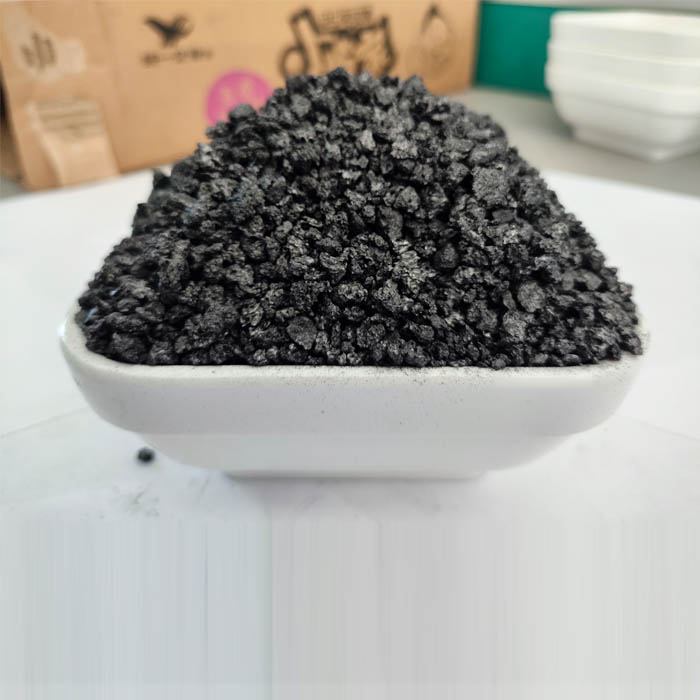
Process flow, QA, and service life
Materials: low‑S green petroleum coke. Methods: calcination, then graphitization at ≈2800–3200°C; crushing, screening, de‑dusting, anti‑moisture packaging. Testing: S by ASTM D4239, N by ASTM D5373, ash by ASTM D4422, density by ISO 10143. Typical dissolution efficiency hits 90–95% within 3–6 minutes in EAF/ladle practice (yes, operator technique still matters). Storage service life: around 12 months in dry covered conditions.
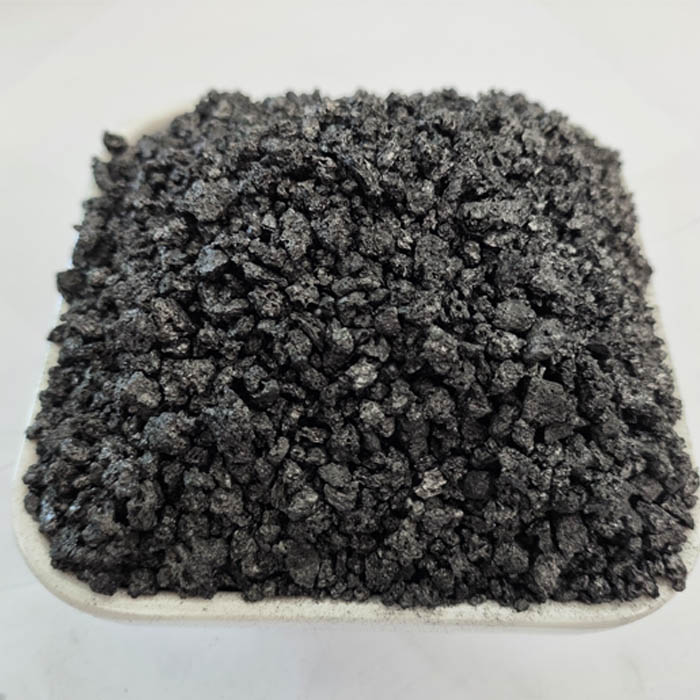
Where it’s used
- Steelmaking (EAF/BOF ladle carburizing; faster pick‑up with fewer inclusions)
- Foundry iron (ductile, gray, CGI) for consistent base carbon without spiking sulfur
- Reducing agent in SiMn and other ferroalloys; friction materials; carbon raiser blends
Advantages: strong carbonization capacity, low nitrogen pickup, and quieter slag behavior—surprisingly noticeable in a busy melt shop.
Vendor comparison (snapshot, buyer’s view)
| Vendor | Origin | S (≈) | Lead Time | Certs | Customization | Notes |
|---|---|---|---|---|---|---|
| Xingtai Luxi Carbon | Hebei, China | 0.03–0.05% | 2–4 weeks | ISO 9001, SGS | Sizing, bags, S/N targets | Strong QC transparency |
| Gulf Trader Co. | ME ports | 0.05–0.08% | 4–6 weeks | COA, third‑party | Limited | Broad sourcing, variable lots |
| US BlendCo | USA | 0.04–0.06% | Stock/spot | ISO 9001 | Good | Stable domestic logistics |
Among carbon petroleum coke exporters, consistency beat headlines. It seems simple—until you chase heat-to-heat variability.
Customization, cases, and feedback
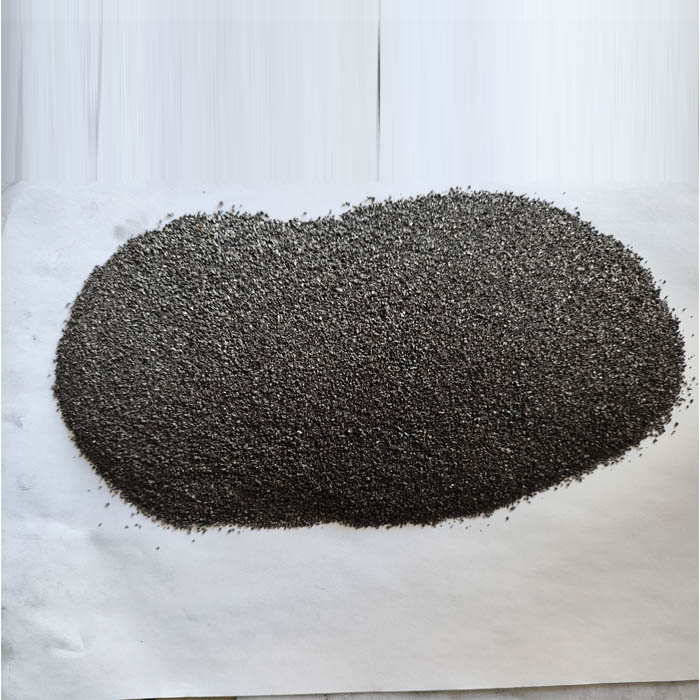
Customization: particle size (0–1/1–5/5–10 mm), sulfur bands (≤0.05% or tighter), jumbo (1 MT) or 25 kg bags, REACH‑ready docs, CIF/FOB terms. Case 1 (India, ductile iron): carbon pick‑up rose from 85% to ≈93%, cycle time reduced ~4 minutes/heat; sulfur stabilized at 0.03%. Case 2 (Turkey, EAF): slag foaming steadier, 1.2% charge reduction via improved dissolution. Feedback? “Cleaner melt, fewer tweaks,” as one foundry manager put it. I guess that’s what we’re all after.
Certifications, compliance, and sourcing
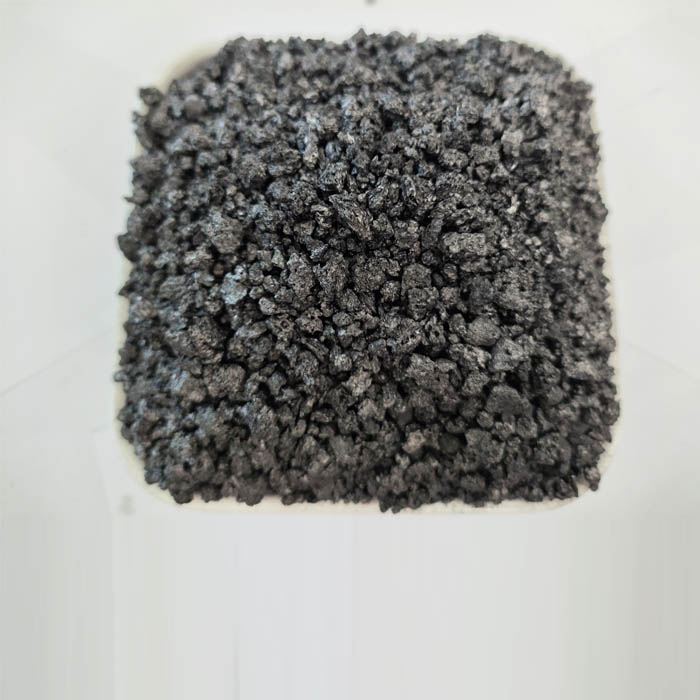
ISO 9001 QA, third‑party test reports (SGS/Intertek as needed), MSDS/REACH data available. Sampling per ISO/ASTM norms; COA includes S, N, ash, volatiles, moisture, density. Origin: No.3 Longyang South Road, Longgang Economic Development Zone, Xindu District, Xingtai, Hebei, China. Among carbon petroleum coke exporters, traceability plus tight sulfur control is still the winning combo.
Final note
If you need rapid carbonization with low nitrogen behavior, this GPC is a solid bet—and in fact, cycle time savings often pay for the freight. As always, request a trial lot and measure in your furnace. The data rarely lies.
Authoritative citations
- ISO 10143: Carbonaceous materials for the production of aluminium — Determination of real density of calcined petroleum coke.
- ISO 12981‑1: Calcined coke — Determination of total sulfur and hydrogen — Infrared absorption method.
- ASTM D4239: Standard Test Method for Sulfur by High‑Temperature Combustion and IR Detection.
- ASTM D4422/D4931/D6374: Standard methods for ash, moisture, and volatile matter in petroleum coke.
-
Professional Boiler Refractory Material Supplier for Industrial Efficiency
NewsApr.16,2026
-
How to Choose the Best refractory materials suppliers for Success
NewsApr.09,2026
-
Understanding Refractory Bricks Raw Materials for High Temperature Applications
NewsApr.07,2026
-
PLIbrico Refractory Materials Understanding Applications and Benefits
NewsApr.04,2026
-
Advancements in Reversible Thermal Expansion Refractory Materials for High Temperature Applications
NewsMar.31,2026
-
Comprehensive Guide to Refractory Kiln Lining Material Selection and Applications
NewsMar.28,2026