
Oct . 18, 2025 12:15 Back to list
Top carbon petroleum coke exporters — Low Sulfur, High FC
Inside the Supply Chain: Carbon Petroleum Coke Exporters, GPC Specs, and Real-World Results
People ask me all the time where to start with carbon petroleum coke exporters. Honestly, it comes down to two things: chemistry and consistency. If either wobbles, your melt costs creep up and operators get grumpy. Graphitized Petroleum Coke (GPC) has been the quiet hero in electric arc furnaces and ductile iron shops—especially the low-nitrogen grades that behave predictably, heat after heat.
What’s moving the market
Three trends stand out: tighter impurity windows (S, N, and metals), traceability from refinery to ladle, and faster logistics from Asia and the Middle East. Many buyers tell me they’re paying a modest premium for low-nitrogen GPC because it shortens the recarburizing window—less waiting, fewer corrections. And yes, carbon petroleum coke exporters who can certify every batch win more repeat orders.
How GPC is made (cliff-notes version)
- Materials: premium petroleum coke feedstock (low S, low metals).
- Calcination: ≈1200–1400°C to drive off volatiles, stabilize structure.
- Graphitization: ≈2800–3000°C; transforms to near-graphitic carbon, slashes N.
- Crushing & screening: to 0–1 mm, 1–3 mm, 1–5 mm, etc., depending on pour method.
- Quality control: proximate/ultimate analysis, S/N, ash, metals, and size distribution.
Testing is typically aligned with ASTM D5373 (C/N), ASTM D4239 (S), ASTM D3172 (proximate), and bulk density checks; some mills request ICP/OES per ASTM or ISO for trace metals. Service life? GPC itself doesn’t “wear out,” but shelf life is ≈12 months in dry storage; real-world performance depends on furnace practice and slag regime.
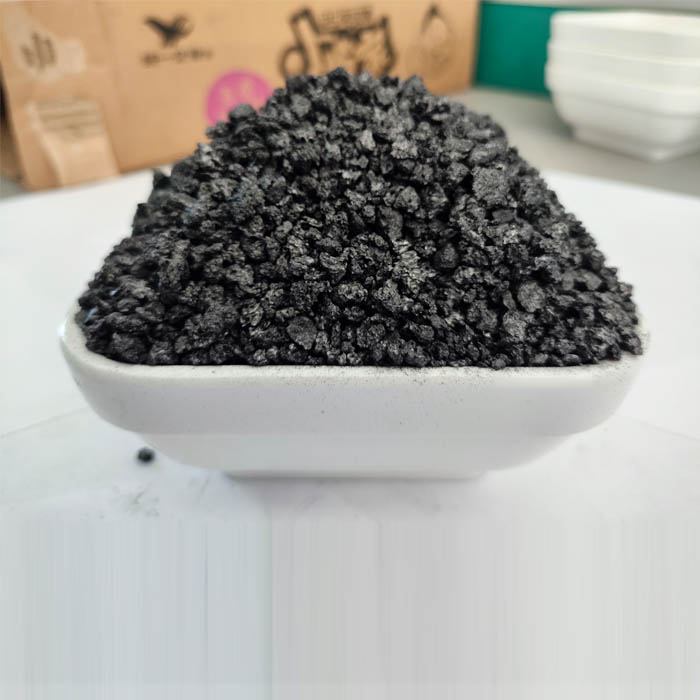
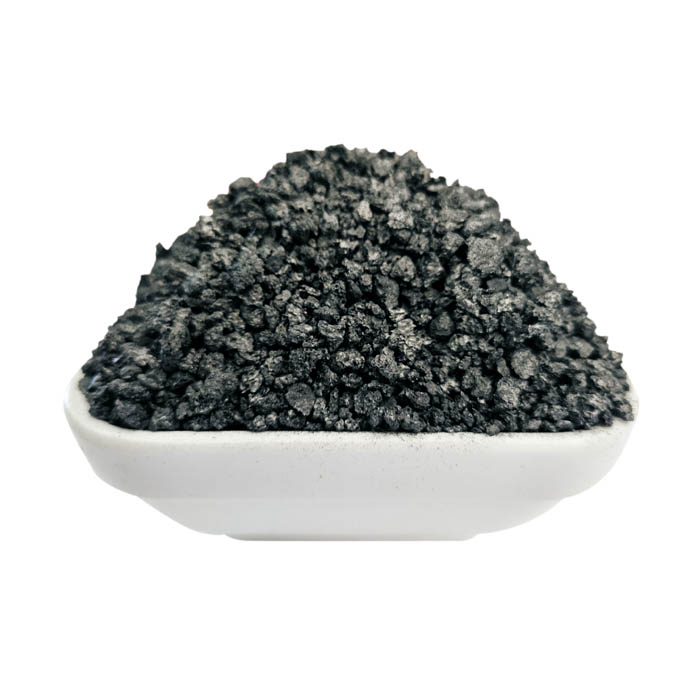
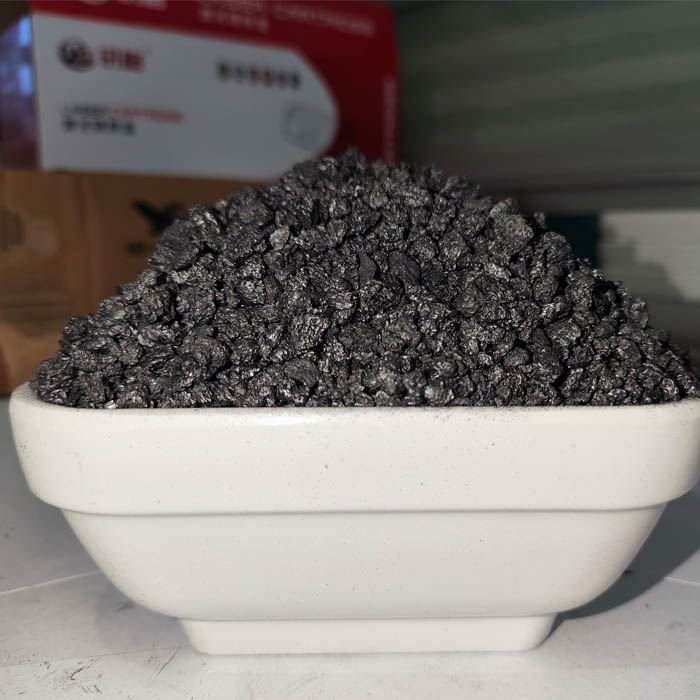
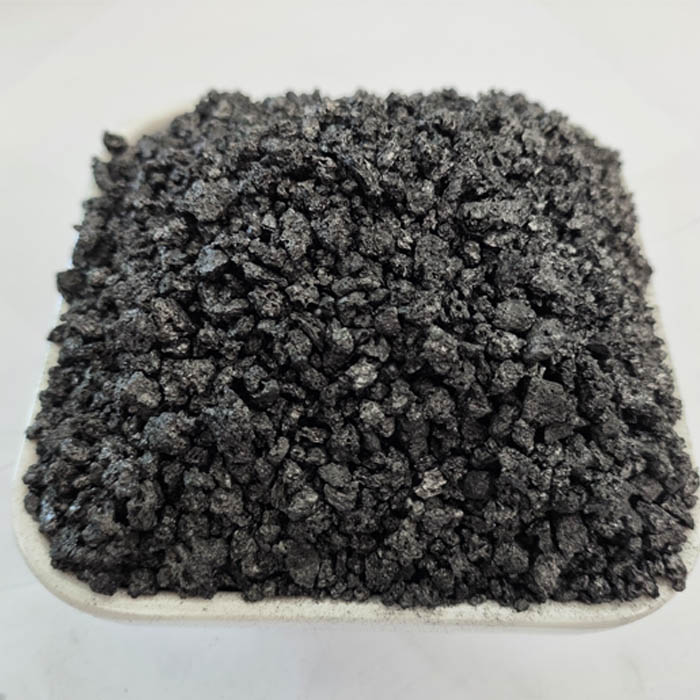
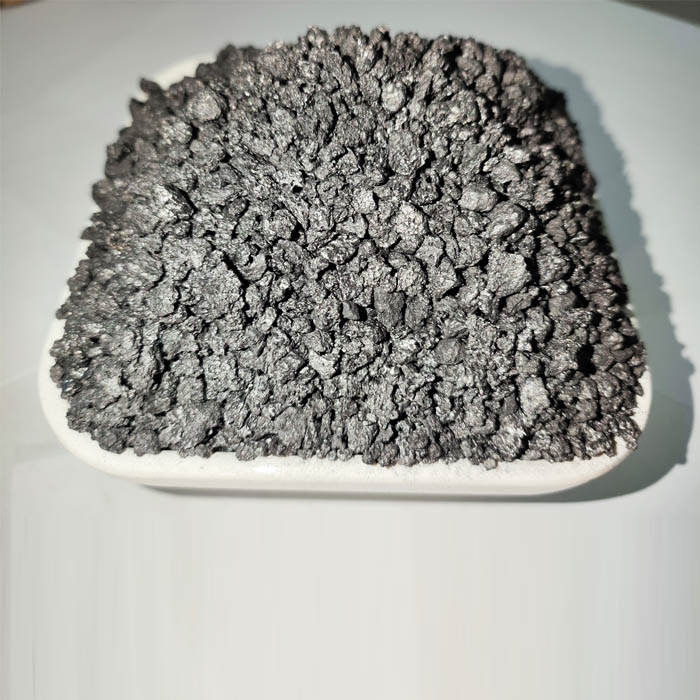
Product snapshot: Graphitized Petroleum Coke | GPC
From Xingtai (Hebei, China) at No.3 Longyang South Road, the low-nitrogen recarburizer is known for “strong carbonization ability.” In practice, it hits target C faster—many operators report fewer top-ups and a smoother curve to aim carbon. To be honest, that’s what you feel on the melt deck.
| Property | Typical Value (≈) | Notes |
|---|---|---|
| Fixed Carbon (FC) | ≥ 98.5–99.5% | Higher FC, cleaner heats |
| Sulfur (S) | ≤ 0.03–0.05% | ASTM D4239 |
| Nitrogen (N) | ≤ 200–300 ppm | ASTM D5373 |
| Ash | ≤ 0.2–0.5% | Low slag load |
| Moisture | ≤ 0.5% | As shipped |
| Particle Size | 0–1, 1–3, 1–5 mm | Custom on request |
Applications and on-the-floor feedback
- EAF steelmaking: quick carbon pick-up, stable nitrogen; recarb efficiency ≈92–95% in clean slags.
- Ductile iron: low N helps avoid chill/porosity; many foundries report gentler nodularity corrections.
- Induction furnaces: tight size cuts improve dissolution rates.
Operators say it “flows like dry sand” and doesn’t spike S. That sounds trivial, but on a busy shift it matters. Carbon petroleum coke exporters offering pre-blended sizes for ladle vs. furnace additions get bonus points from maintenance teams.
Vendor comparison (abbreviated)
| Vendor | Origin | S (≈) | N (ppm) | Certs | Lead Time | Customization |
|---|---|---|---|---|---|---|
| Xingtai Luxi (Hebei, CN) | China | ≤0.03–0.05% | ≤200–300 | ISO 9001/14001 | 2–4 weeks | Size, packing, FC grade |
| Vendor B (Gujarat, IN) | India | ≤0.05–0.08% | ≤350–500 | ISO 9001 | 3–5 weeks | Standard only |
| Vendor C (UAE) | UAE | ≤0.04–0.06% | ≤250–400 | ISO 9001/14001 | 2–3 weeks | Packaging focus |
Customization and packaging
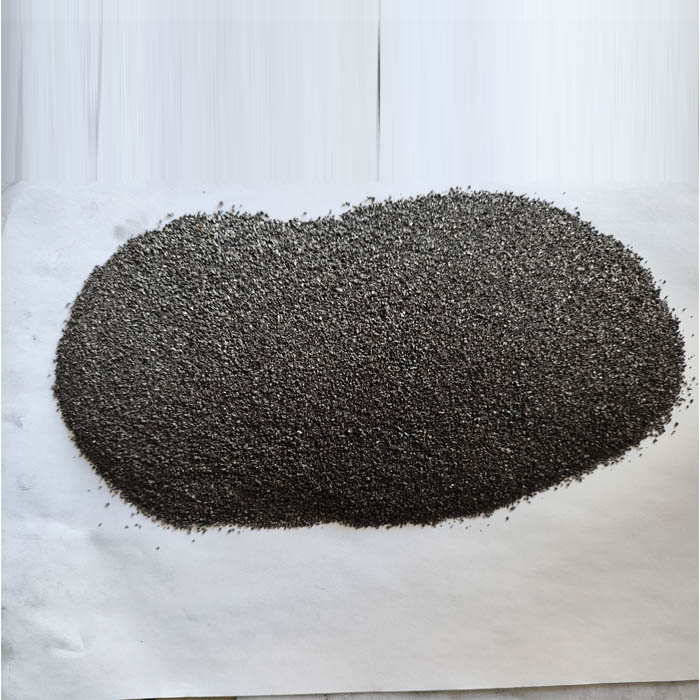
Common options: 0–1/1–3/1–5 mm sizing; jumbo bag (≈1 t) or 25 kg bags; FC grades tailored for specific melt practices. Carbon petroleum coke exporters that label bags with heat/batch IDs make auditors—and production managers—sleep better.
Quick case notes
Turkey EAF mini-mill: swapping to low-N GPC cut recarb time by ≈12% and trimmed nitrogen drift by ~30 ppm across a month of heats. Mexico DI foundry: moved to 1–3 mm, saw faster dissolution and a 0.8% reduction in inoculant spend; real-world use may vary, but operators were happy.
Standards, testing, and paperwork
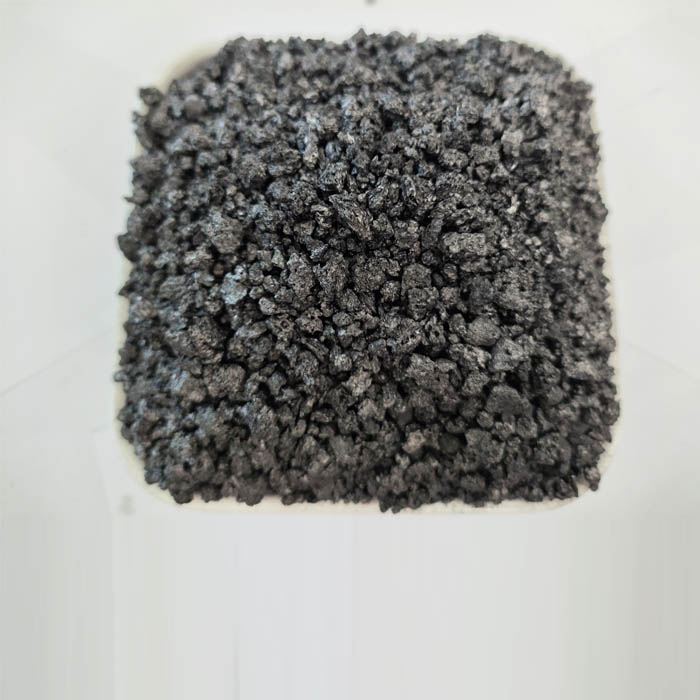
Ask for: COA with C/S/N, ash, moisture; sieve analysis; bulk density; plus ISO 9001/14001 certificates. Typical methods include ASTM D5373 (C/N), ASTM D4239 (S), and ASTM D3172 (proximate). If you need ladle nitrogen assurance, require batch-level N data and traceability to shipment lot.
References:
- ASTM D4239 – Standard Test Methods for Sulfur in Petroleum Products and Lubricants.
- ASTM D5373 – Standard Test Methods for Instrumental Determination of C, H, N in Laboratory Samples of Coal and Coke.
- ASTM D3172 – Standard Practice for Proximate Analysis of Coal and Coke.
- ISO 9001:2015 – Quality management systems – Requirements.
- World Steel Association – Electric Arc Furnace trends and raw materials notes (latest reports).
-
Professional Boiler Refractory Material Supplier for Industrial Efficiency
NewsApr.16,2026
-
How to Choose the Best refractory materials suppliers for Success
NewsApr.09,2026
-
Understanding Refractory Bricks Raw Materials for High Temperature Applications
NewsApr.07,2026
-
PLIbrico Refractory Materials Understanding Applications and Benefits
NewsApr.04,2026
-
Advancements in Reversible Thermal Expansion Refractory Materials for High Temperature Applications
NewsMar.31,2026
-
Comprehensive Guide to Refractory Kiln Lining Material Selection and Applications
NewsMar.28,2026