
Oct . 20, 2025 11:55 Back to list
Tundish Covering Agent Exporters | High-Purity & Fast-Melt
A field note on tundish covering agent exporters and what really matters on the melt floor
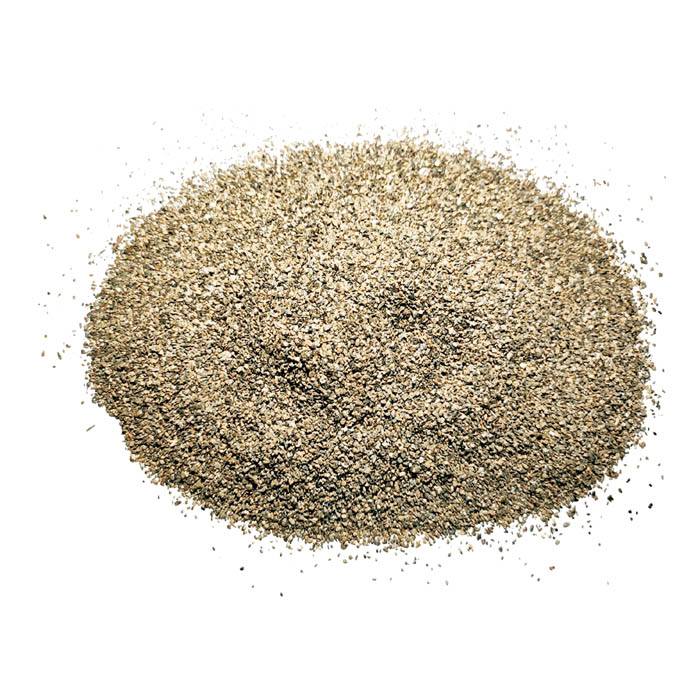
I’ve walked enough caster decks to know: a good covering agent is quiet competence. No drama, just steady insulation, clean steel, and operators who can breathe. Lately, the shift is undeniable—mills are asking for low-dust, bio-based, and compliant materials that still spread evenly and stay put during turbulence. That’s where the Eco-Friendly Particle Covering Agent from Xingtai (Origin: No.3 Longyang South Road, Longgang Economic Development Zone, Xindu District, Xingtai, Hebei, China) has been getting attention, especially among tundish covering agent exporters under tighter environmental rules.
What mills are asking for now
- Better spreadability and coverage, even on hot, turbulent metal.
- Lower dust and smoke—nobody wants a brown haze on camera anymore.
- Stable insulation to cut heat loss across long sequence casting.
- Traceability, audits, and real test data. Not just “it works,” but “here’s how we measured it.”
Product snapshot: Eco-Friendly Particle Covering Agent
Built to fix the old rice-husk problems—poor spread, shelling, smoke—this blend uses carbonized biomass with tuned particle gradation and low-ash additives. In practice, the bed stays fluffy, doesn’t crust, and resists re-oxidation. Many customers say it’s “quiet”—which is high praise on a noisy caster floor.
| Property | Typical value (≈) | Test method |
|---|---|---|
| Particle size | 1–8 mm (customizable) | ISO 3310 sieve series |
| Loose bulk density | 0.28–0.35 g/cm³ | ASTM C29/C29M (adapted) |
| Thermal conductivity @1000°C | ≤0.20 W/m·K | ASTM E1461 (derived) |
| Fixed carbon | 30–40% | ASTM D3172 proximate |
| SiO₂ (ash) | 50–65% | ISO 1171 / ASTM D7348 |
| Moisture | ≤1.5% | ASTM D2216 |
Process flow and QA
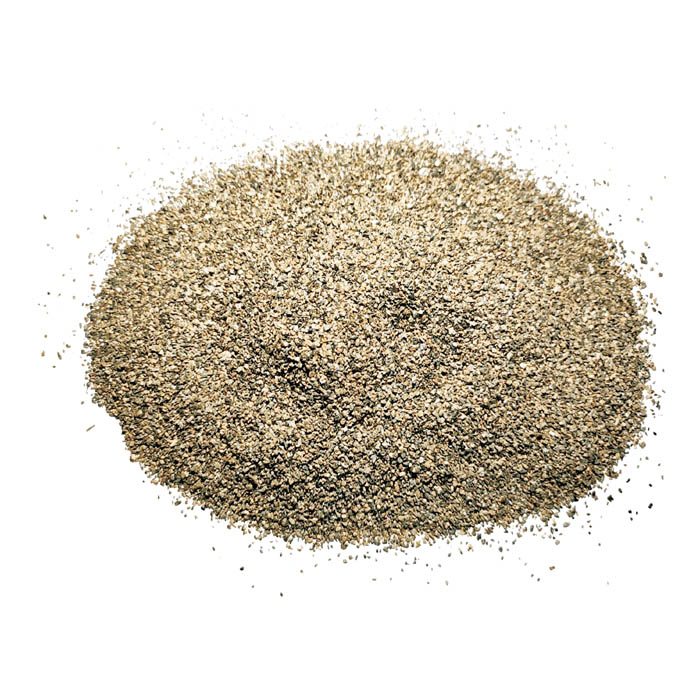
Materials: carbonized agricultural husk, mineral modifiers, anti-dusting agents. Methods: controlled carbonization, screening, low-temperature sterilization, anti-cake coating, and sealed-packaging. Testing: sieve analysis, LOI/ash, apparent density, thermal diffusivity, and pour test (shop trial). Service life: typically sustains a stable blanket over 4–8 h sequences—real-world use may vary with tundish size and turbulence. Industries: long and flat steel, alloy, and foundry ladle-to-mold transfers.
Application scenarios
- Continuous casting tundish cover for billet/bloom/slab.
- Ladle waiting/holding cover to reduce radiant heat loss.
- Emergency cover during nozzle clog interventions (to be honest, this is where spreadability really shows).
Vendor landscape (my short list)
| Criteria | Vendor A (Xingtai) | Vendor B (Regional) | Vendor C (Global) |
|---|---|---|---|
| Feedstock | Carbonized biomass, low-ash modifiers | Mixed organics/minerals | Mineral-perlite blends |
| Dust at pour (shop data) | ≈15–30 mg/Nm³ | ≈40–60 mg/Nm³ | ≈25–45 mg/Nm³ |
| Customization | Particle size, carbon range, bag-in-box | Limited | Standard catalog |
| Certifications | ISO 9001/14001 (typical) | ISO 9001 | ISO 9001; REACH-declared |
Customization and support
Most tundish covering agent exporters will tune PSD and carbon level; what sets the better teams apart is on-site ladle/tundish trials with IR heat-loss logging and nozzle-unblock SOPs. Ask for a mill-specific dosing chart (kg/m²) and a dust report.
Case note (North China, 150‑t tundish)
Switched from legacy rice-husk to the eco blend. Results after 3 weeks: heat loss reduced ≈18–22°C over 60 minutes hold; visible smoke down significantly (operator feedback: “clear visor after ladle change”); slag pickup at start-up lowered by ~0.02%—not world-changing, but it counts.
Compliance, safety, and paperwork
Look for ISO 9001/14001, SDS with exposure data, and test references (ASTM E1461 for thermal metrics, ISO 3310 for sieving). If you’re exporting, REACH/ROHS declarations help. And yes, palletized, moisture-barrier packaging matters more than we admit.
Citations
- Association for Iron & Steel Technology (AIST): Tundish and continuous casting resources
- ASTM E1461: Standard Test Method for Thermal Diffusivity by the Flash Method
- ISO 9001:2015 Quality management systems — Requirements
- World Steel Association: Steel Statistical Yearbook and sustainability reports
-
Professional Boiler Refractory Material Supplier for Industrial Efficiency
NewsApr.16,2026
-
How to Choose the Best refractory materials suppliers for Success
NewsApr.09,2026
-
Understanding Refractory Bricks Raw Materials for High Temperature Applications
NewsApr.07,2026
-
PLIbrico Refractory Materials Understanding Applications and Benefits
NewsApr.04,2026
-
Advancements in Reversible Thermal Expansion Refractory Materials for High Temperature Applications
NewsMar.31,2026
-
Comprehensive Guide to Refractory Kiln Lining Material Selection and Applications
NewsMar.28,2026