
Oct . 12, 2025 11:00 Back to list
Tundish Covering Agent Exporters | Low Dust, High Insulation
Inside the fast-evolving world of tundish cover materials
I’ve walked more melt shops than I can remember, and one theme keeps coming up: better tundish coverage equals calmer steel, lower heat loss, and fewer headaches for caster crews. If you’re screening tundish covering agent exporters, you’re probably weighing performance against dust, odor, and compliance. Frankly, the old carbonized rice husk routines don’t cut it anymore—operators complain about shelling, erratic spread, and, yes, environmental citations.
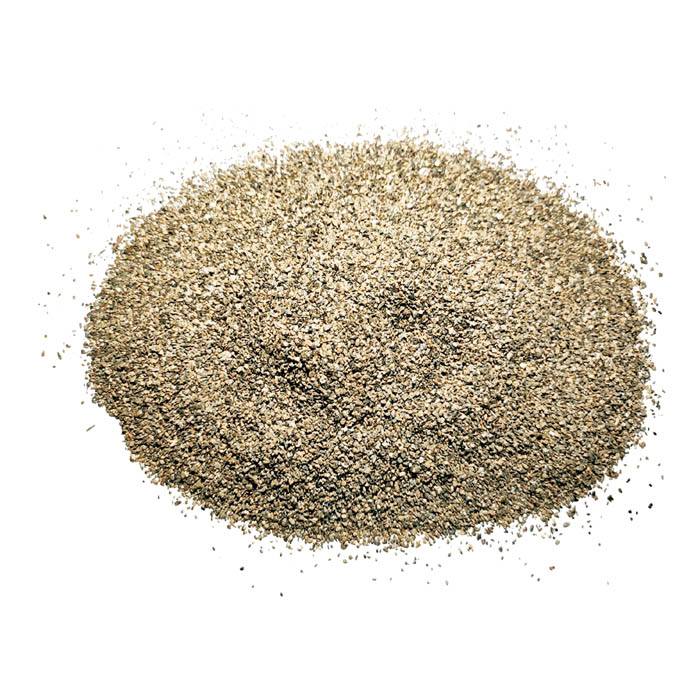
Trend check: from raw husks to engineered granules
Most mills are shifting to engineered, low-dust, eco-forward granules. Why? Predictable bulk density, better wetting/spread on hot metal, and cleaner emissions. Many customers say they’ve seen a 30–50°C reduction in tundish heat loss over a 30–40 minute window with modern mixes—more on that below.
Product snapshot: Eco-Friendly Particle Covering Agent
Origin: No.3 Longyang South Road, Longgang Economic Development Zone, Xindu District, Xingtai, Hebei, China. Built to solve the usual rice-husk woes—poor spread, shell coating, weak insulation, and pollution—this composition focuses on clean handling and stable thermal behavior.
| Key spec | Typical value (≈, real-world use may vary) |
|---|---|
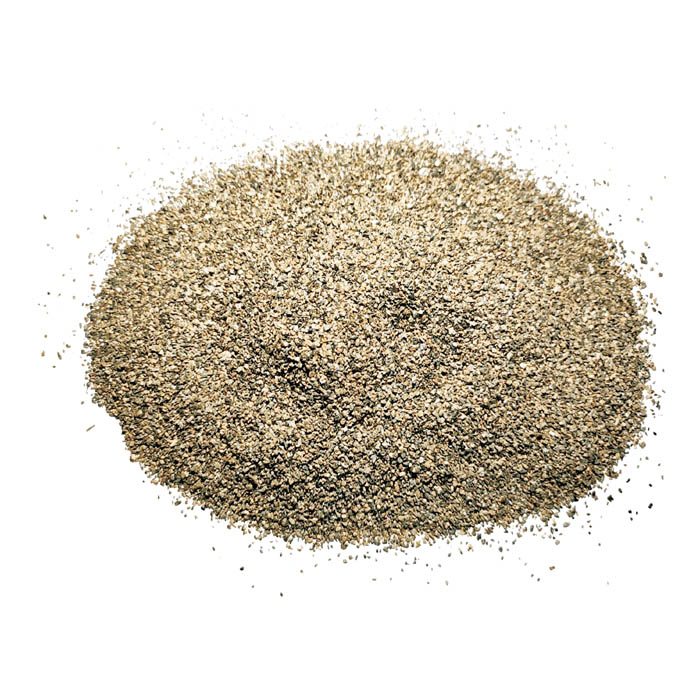
| Granule size | 1–6 mm (custom: 0.5–8 mm) |
| Apparent density | 0.30–0.45 g/cm³ (ASTM C20) |
| Thermal conductivity @ 800°C | ≈0.18–0.25 W/m·K (ASTM C1113) |
| LOI (750°C, 2 h) | ≤5% |
| Moisture | ≤1.0% |
| Spreadability on hot steel | Uniform layer formation within ≈30–60 s |
| Dust index (EN 15051) | Low-to-moderate (treated) |
| Service life window | 2–6 h coverage, per tundish turnaround practice |
| Usage rate | ≈1.5–3.0 kg/ton steel (caster/grade dependent) |
Process flow and QA
Materials: refined plant-derived silica/carbon matrix with insulating micro-pores; anti-dust additives. Methods: controlled carbonization, pelletizing, sieving, anti-dust surface treatment, and sealed bagging. Testing: density/porosity (ASTM C20), thermal conductivity (ASTM C1113), abrasion/durability (ASTM C704), dustiness (EN 15051). Typical certifications: ISO 9001 and ISO 14001 at the plant level.
Where it fits: casters and grades
- Slab, bloom, and billet casters seeking stable meniscus and reduced reoxidation. - Long casting sequences where operators fight heat loss and nozzle clogging. - Low-alloy, stainless, and IF steels—though, to be honest, stainless shops may tune granule size and LOI more carefully.
Case data (plant trials): In a 90–120 t tundish, operators reported ≈35–45°C lower surface heat loss over 30 minutes vs. untreated baselines; slag eye reduced visually; no shell-coating complaints during ladle exchanges. Feedback was “less dusty than husk, easier to rake.”
Comparing tundish covering agent exporters
| Vendor | Regions served | Certs | Customization | Shop feedback |
|---|---|---|---|---|
| Xingtai Luxi (Eco-Friendly Particle) | Asia, MEA, EU trials | ISO 9001/14001 (plant) | Size, LOI, anti-dust, bagging | Clean spread; low smoke |
| Regional husk-based exporter | Local | Varies | Limited | Dusty; shelling reported |
| EU specialty supplier | EU/NA | ISO, REACH | High; tech service | Strong but premium cost |
Customization and service
Dial in granule size to tundish turbulence, tweak LOI for fume limits, and choose anti-dust level for confined bays. Packaging: 10–25 kg bags or 1 t big bags with liners. Many mills want on-site startup support; good tundish covering agent exporters bring ladle-to-caster audits, set dosing charts (kg/ton), and document results against standards.
Compliance notes
- QA/QC under ISO 9001; environmental programs under ISO 14001. - Lab methods aligned with ASTM C20/C1113/C704; dust checks via EN 15051. - Many steelworks benchmark against EU BAT for Iron & Steel to keep emissions in check; this is where low-LOI, low-smoke granules really help.
Citations
- ASTM C20 – Standard Test Methods for Apparent Porosity, Water Absorption, Apparent Specific Gravity of Refractory Materials.
- ASTM C1113 – Standard Test Method for Thermal Conductivity of Refractories by Hot Wire (Platinum Resistance Thermometer Technique).
- ASTM C704 – Standard Test Method for Abrasion Resistance of Refractory Materials at Room Temperature.
- EN 15051 – Workplace exposure: Measurement of the dustiness of bulk materials.
- ISO 9001 & ISO 14001 – Quality and Environmental Management Systems.
- European Commission – Best Available Techniques (BAT) Reference Document for Iron and Steel Production.
-
Professional Boiler Refractory Material Supplier for Industrial Efficiency
NewsApr.16,2026
-
How to Choose the Best refractory materials suppliers for Success
NewsApr.09,2026
-
Understanding Refractory Bricks Raw Materials for High Temperature Applications
NewsApr.07,2026
-
PLIbrico Refractory Materials Understanding Applications and Benefits
NewsApr.04,2026
-
Advancements in Reversible Thermal Expansion Refractory Materials for High Temperature Applications
NewsMar.31,2026
-
Comprehensive Guide to Refractory Kiln Lining Material Selection and Applications
NewsMar.28,2026