
Oct . 23, 2025 13:10 Back to list
Vermiculite in Soil Exporters: Premium, Sterile Bulk Supply
Insider’s Field Notes on Vermiculite in Soil: What Export Buyers Should Know
If you’re scanning the market for Vermiculite In Soil Exporters, you’re not alone. Demand from greenhouses and hydroponic farms keeps rising, while supply clusters around China, South Africa, Russia, and the U.S. To be honest, the real differentiator isn’t just price; it’s consistency in grade, asbestos-free assurance, and whether the vendor can tweak specs for your substrate recipes.
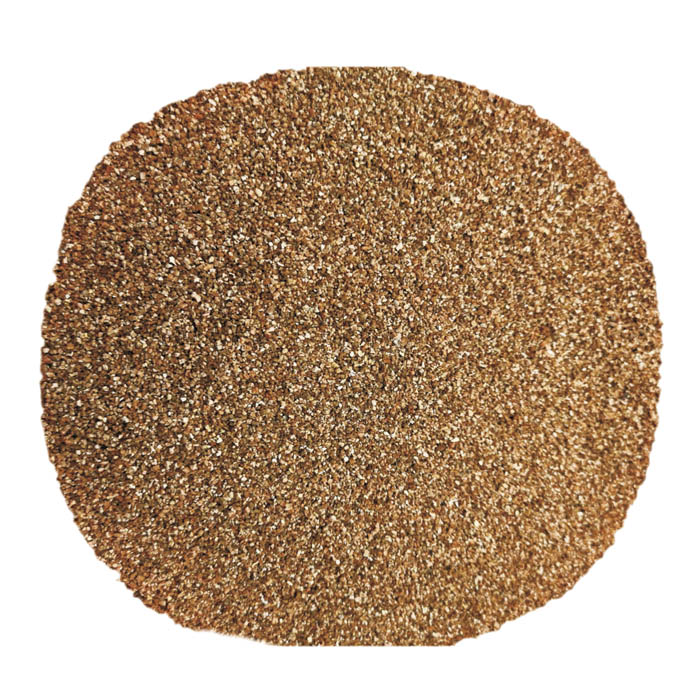
Why horticulture still loves vermiculite
Expanded vermiculite is a hydrated magnesium–aluminum–iron silicate that exfoliates around 900–1100°C. In fact, it’s oddly lightweight, holds water like a sponge, and buffers nutrients thanks to high CEC. Many customers say it “rescues” mixes in arid climates and helps seedlings root evenly.
- Application scenarios: seed starting, plug trays, hydroponic seedling blocks, rooftop gardens, and as a peat alternative in blends.
- Advantages: high water-holding, aeration, near-neutral pH, and predictable particle grading.
- Service life in mixes: ≈2–5 years before compaction; in containers, real-world use may vary with load and irrigation style.
Typical product specifications (horticultural grade)
| Particle sizes | #1 (coarse), #2 (medium), #3 (fine), #4 (super-fine) |
| Bulk density (expanded) | ≈90–120 kg/m³ |
| Water-holding capacity | ≈200–300% by weight |
| pH | ≈7.0–9.0 (blend to target substrate pH) |
| CEC | ≈120–160 cmol(+)/kg |
| Asbestos screening | Non-detect by accredited lab (PLM/TEM); batch certificates available |
From ore to bag: process and testing
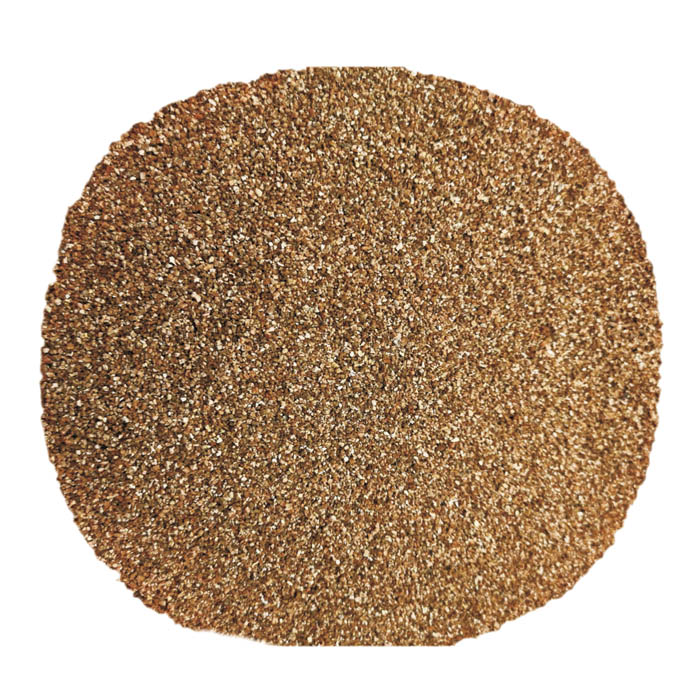
Materials: raw vermiculite ore from established deposits (China remains a major source). Methods: crushing → screening → high-temperature exfoliation → grading → dedusting → packaging. Testing standards often reference ASTM C516 for general properties and EN 13041 for growing media physicals; asbestos checks via accredited PLM/TEM protocols; QC under ISO 9001 systems. I guess the labs matter as much as the furnace curve.
Comparing exporters (quick snapshot)
| Vendor | Origin | Certifications | Lead time | Notes |
|---|---|---|---|---|
| Xingtai Luxi (Vermiculite) | Xingtai, Hebei, China (No.3 Longyang South Rd., Longgang EDZ) | ISO 9001; batch asbestos-free reports | ≈10–20 days | Stable grading; private-label bags available |
| Supplier B (South Africa) | Northern Cape | ISO 9001; REACH-ready | ≈3–5 weeks | Coarse grades favored; strong export lanes to EU |
| Supplier C (USA) | Southeast | ISO 9001 | ≈2–4 weeks | Premium packaging; higher unit cost |
Customization that actually helps
- Grade tuning: tighter sieving to reduce fines in drip-irrigated systems.
- Bagging: 50 L, 80 L, 100 L; big bags 1–1.2 m³; pallet configs for container optimization.
- Cleanliness: extra dedusting for cleanrooms or tissue-culture nurseries.
- Documentation: COA per lot; EN 13041 physicals; asbestos non-detect report; MSDS, REACH info.
Mini case files
Spain greenhouse co-op: switched to a 50:50 peat–vermiculite blend, medium grade. Reported ≈12% faster plug rooting and 9–11% water savings over six weeks; lab COA: pH 7.6, CEC 138 cmol(+)/kg.
Gulf urban farm: rooftop grow boxes with fine grade as a cap layer reduced surface crusting; transplant loss fell from 7% to ≈3% season-over-season. Not dramatic, but it paid for itself.
Buying checklist for Vermiculite In Soil Exporters
- Ask for batch-level asbestos test (PLM/TEM) and EN 13041 data.
- Confirm expansion profile and sieving curves; request retain samples.
- Verify ISO 9001 status and lead times; seek container load plans that cut freight per m³.
Selected references
- ASTM C516/C516M – Standard Specification for Vermiculite Loose Fill Thermal Insulation.
- EN 13041:2011 – Soil improvers and growing media: Physical properties.
- USGS Mineral Commodity Summaries: Vermiculite, 2024.
- ISO 9001:2015 – Quality management systems — Requirements.
- EPA 600/R-93/116 – Method for the Determination of Asbestos in Bulk Building Materials (PLM/TEM).
-
Professional Boiler Refractory Material Supplier for Industrial Efficiency
NewsApr.16,2026
-
How to Choose the Best refractory materials suppliers for Success
NewsApr.09,2026
-
Understanding Refractory Bricks Raw Materials for High Temperature Applications
NewsApr.07,2026
-
PLIbrico Refractory Materials Understanding Applications and Benefits
NewsApr.04,2026
-
Advancements in Reversible Thermal Expansion Refractory Materials for High Temperature Applications
NewsMar.31,2026
-
Comprehensive Guide to Refractory Kiln Lining Material Selection and Applications
NewsMar.28,2026