

Premium Bauxite Ore Suppliers in China | Industrial Calcined Bauxite Factory
CONTACT
NOW DOWNLOAD PDF
Product Overview
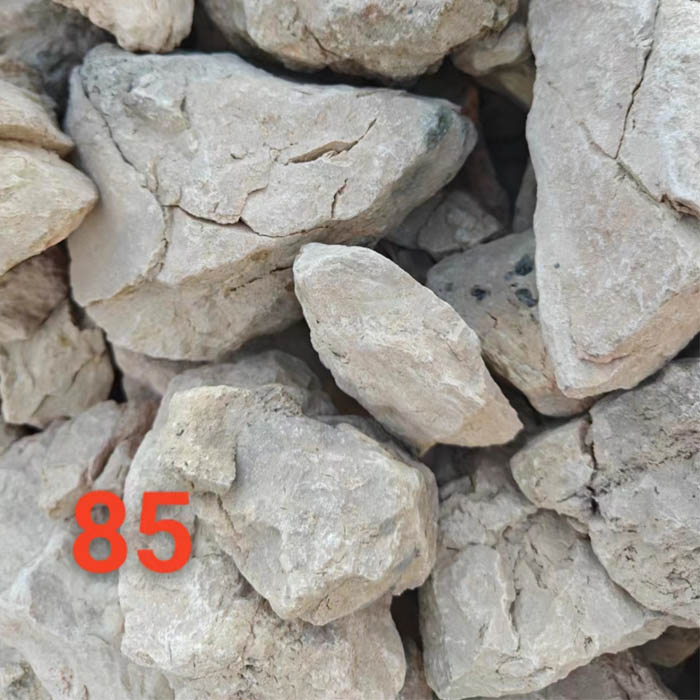
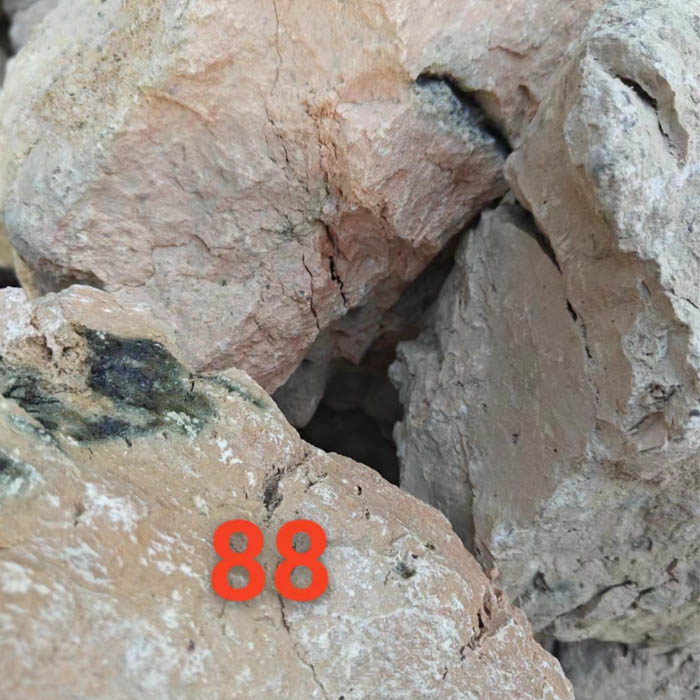
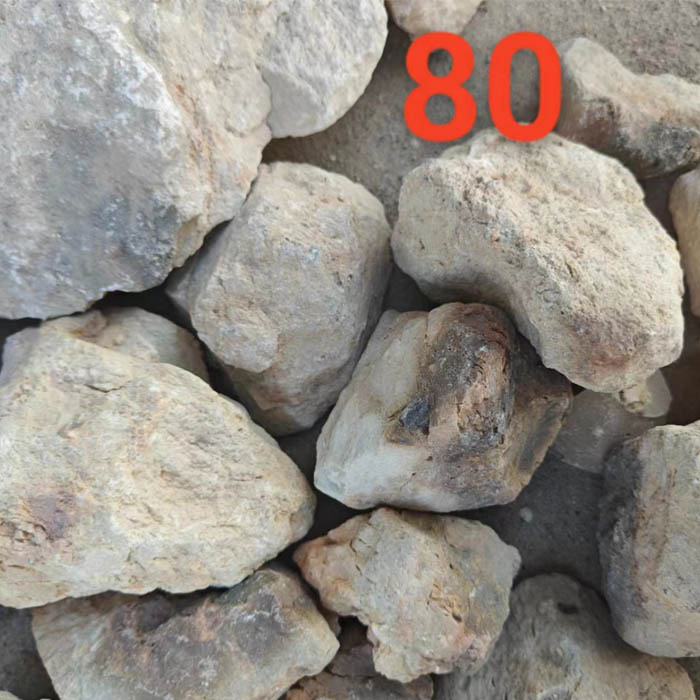
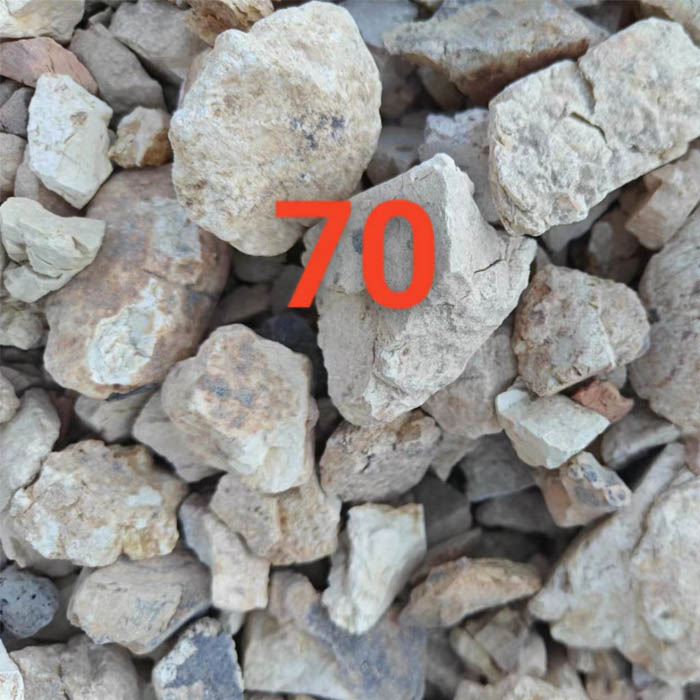
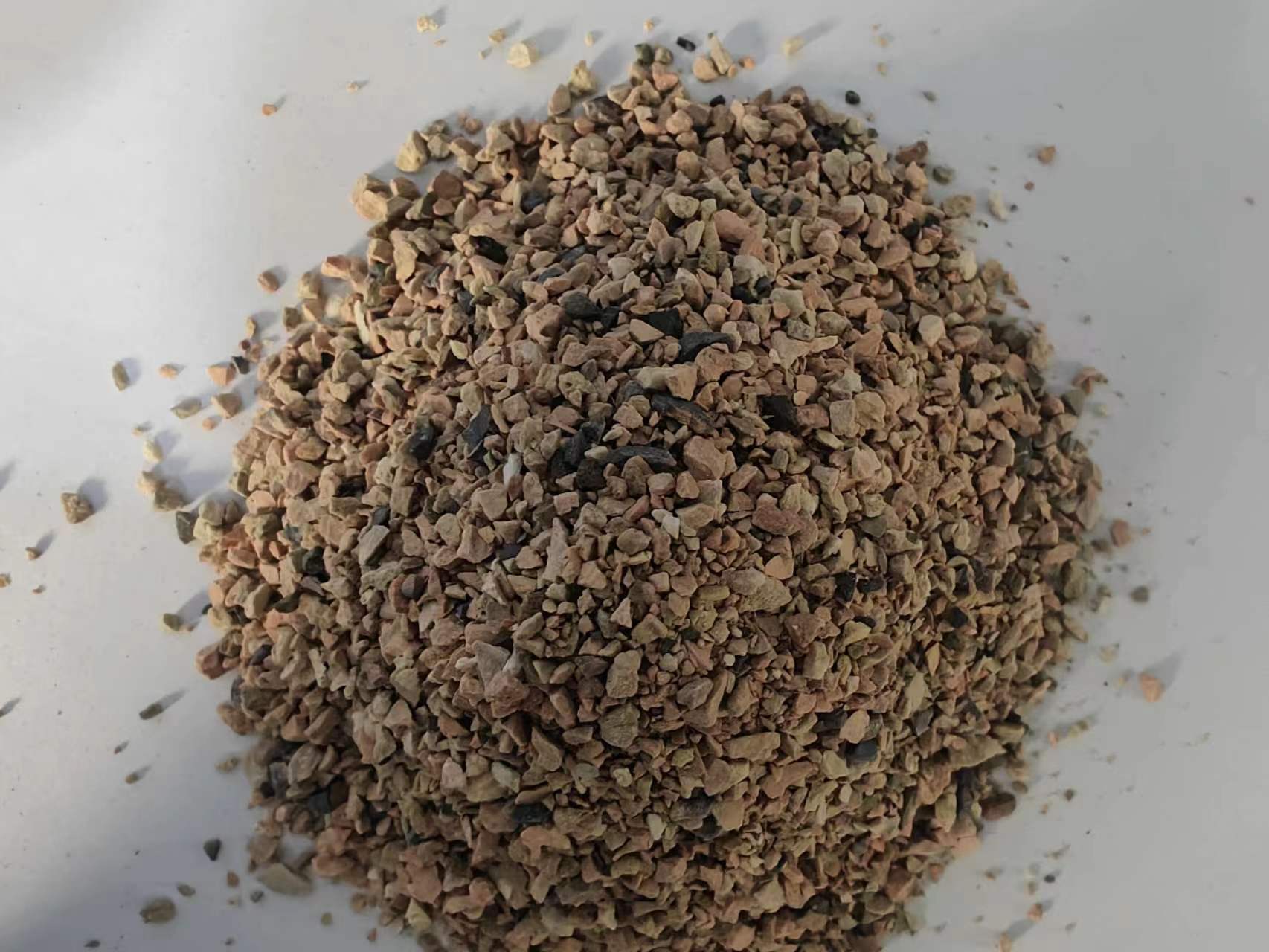
Bauxite is a premium industrial mineral ore primarily composed of gibbsite, boehmite, and diaspore. As a critical non-renewable resource, it serves as the fundamental raw material for the global aluminum industry. Depending on the impurity levels, high-quality bauxite ranges in color from pure white to light gray, green, or red, providing the essential chemical base for alumina production.
Beyond aluminum smelting, our bauxite is engineered for high-performance applications in refractory materials, fused corundum, and grinding media. By utilizing advanced rotary kiln calcination (850°C to 1600°C), we produce calcined bauxite that eliminates moisture and significantly boosts Al2O3 content from approximately 57% to as high as 88%, ensuring superior thermal stability and chemical resistance for industrial use.
Detailed Parameters
| Al2O3 Content | >88% | Particle Size (mm) | 0-1, 1-3, 3-5 |
|---|---|---|---|
| SiO2 Content | Optimized Low Level | CaO Content | Controlled Industrial Grade |
| Fe2O3 Content | Optimized Low Level | MC Content | Standardized |
| Calcination Temp | 850°C - 1600°C | Processing Method | Rotary Kiln |
| Primary Composition | Gibbsite, Boehmite, Diaspore | Color Range | White, Gray, Green, Red |
Key Advantages
High Alumina Purity
Achieving Al2O3 levels up to 88%, ensuring maximum efficiency in alumina production and refractory strength.
Thermal Stability
Calcined at extreme temperatures to remove moisture, providing exceptional resistance to thermal shock.
Versatile Application
Ideal for fused corundum, ceramic products, high alumina slurry, and chemical catalysts.
Consistent Grading
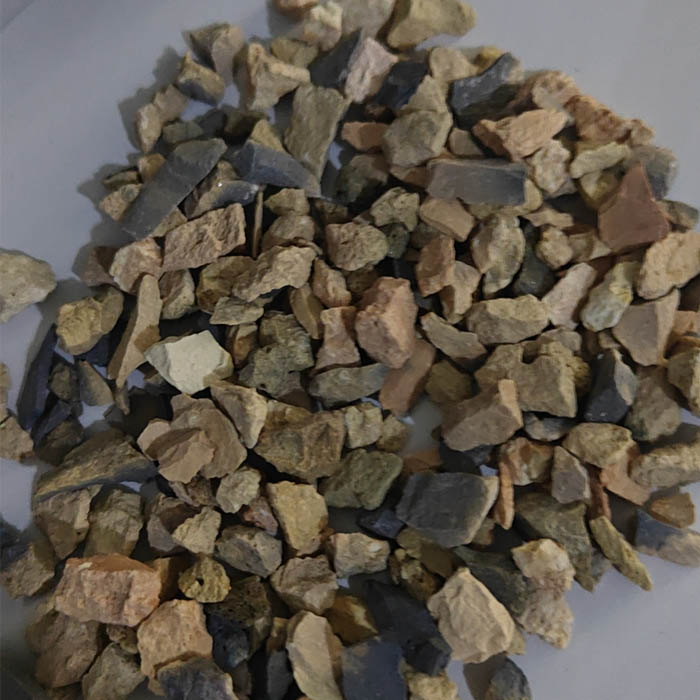
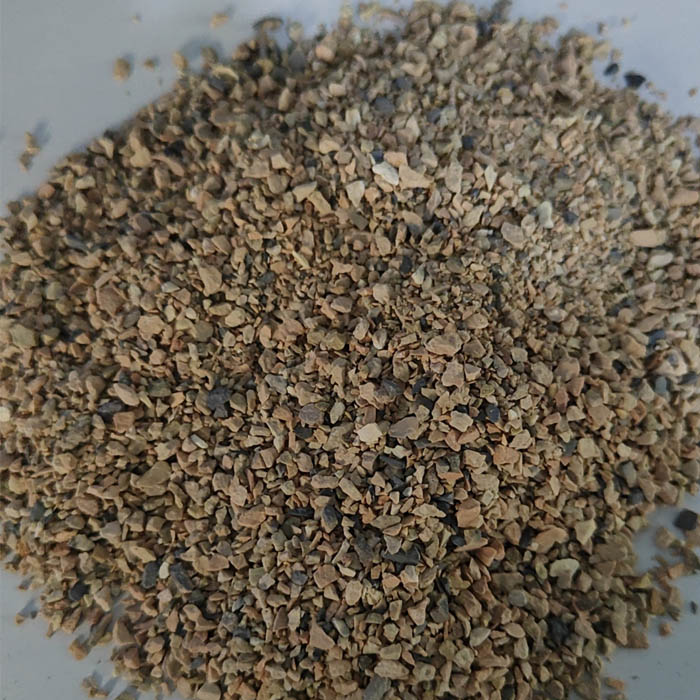
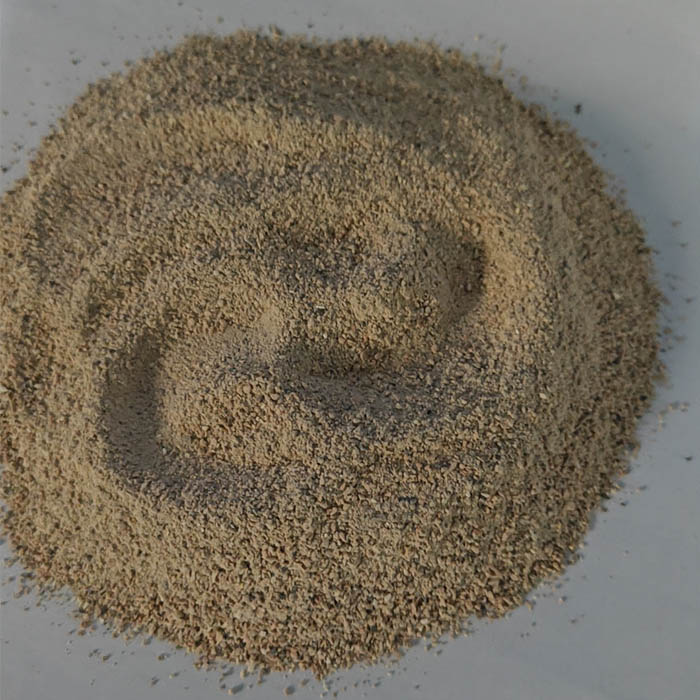
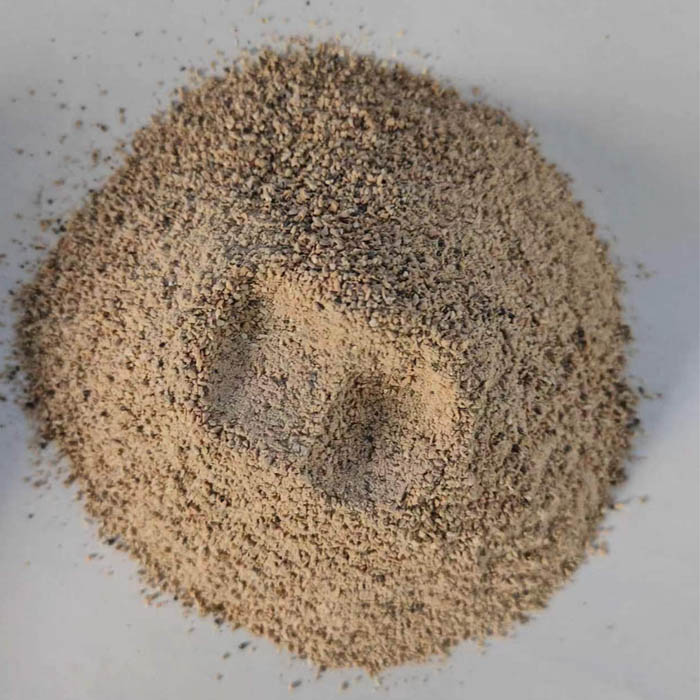
Available in precise size fractions (0-1mm to 3-5mm) to meet specific industrial feeding requirements.
Optimized Impurities
Strict control over SiO2 and Fe2O3 levels to prevent contamination in high-end smelting processes.
Industrial Grade
Compliant with global standards for ferroalloy smelting and heavy-duty refractory manufacturing.
Product Gallery


Management Platforms
Supply Chain Logistics
Integrated tracking system for bulk ore shipments ensuring timely delivery to smelting plants.
Quality Control (QC)
Rigorous batch testing for Al2O3 and SiO2 levels using advanced spectrometers.
Real-time Monitoring
24/7 rotary kiln temperature monitoring to guarantee consistent calcination quality.
Inventory Management
Strategic stockpiling of raw bauxite to mitigate market volatility and ensure supply continuity.
Order Fulfillment
Customized packaging and size grading according to client-specific industrial requirements.
Environmental Compliance
Strict adherence to emission standards during the calcination and processing stages.
Investment Return Comparison
| Feature | Raw Bauxite | Calcined Bauxite | Our Premium Grade |
|---|---|---|---|
| Al2O3 Content | ~57-58% | ~84-88% | >88% |
| Moisture Level | High | Very Low | Trace/None |
| Processing Cost | Low | Medium | Optimized |
| Application Range | Limited (Alumina) | Wide (Refractory) | Universal Industrial |
| Production Yield | Standard | Higher | Maximum Efficiency |
Frequently Asked Questions
Q: What is the primary difference between raw and calcined bauxite?
Raw bauxite contains higher moisture and hydrated alumina. Calcined bauxite is processed in a rotary kiln at high temperatures to remove water, significantly increasing the Al2O3 concentration and enhancing its properties for refractory use.
Q: Which industries typically use bauxite as a raw material?
Bauxite is essential for aluminum production (via alumina), the manufacture of refractory materials, fused corundum production, abrasive grinding materials, and high-alumina ceramic products.
Q: How does the Al2O3 content affect the quality of the product?
Higher Al2O3 content improves the thermal resistance, hardness, and chemical stability of the final product, making it more suitable for high-temperature industrial environments.
Q: What are the common particle size options available for industrial bauxite?
We provide standard industrial gradings including 0-1mm, 1-3mm, and 3-5mm to ensure compatibility with various smelting and mixing equipment.
Q: Is bauxite a renewable resource?
No, bauxite is a non-renewable mineral resource mined from the earth, which is why efficiency in processing and high-purity extraction is critical for industrial sustainability.
Q: How is calcined bauxite produced?
It is produced by heating high-quality bauxite ore in a rotary kiln at temperatures ranging from 850°C to 1600°C, which drives off chemically bound water and transforms the mineral structure.