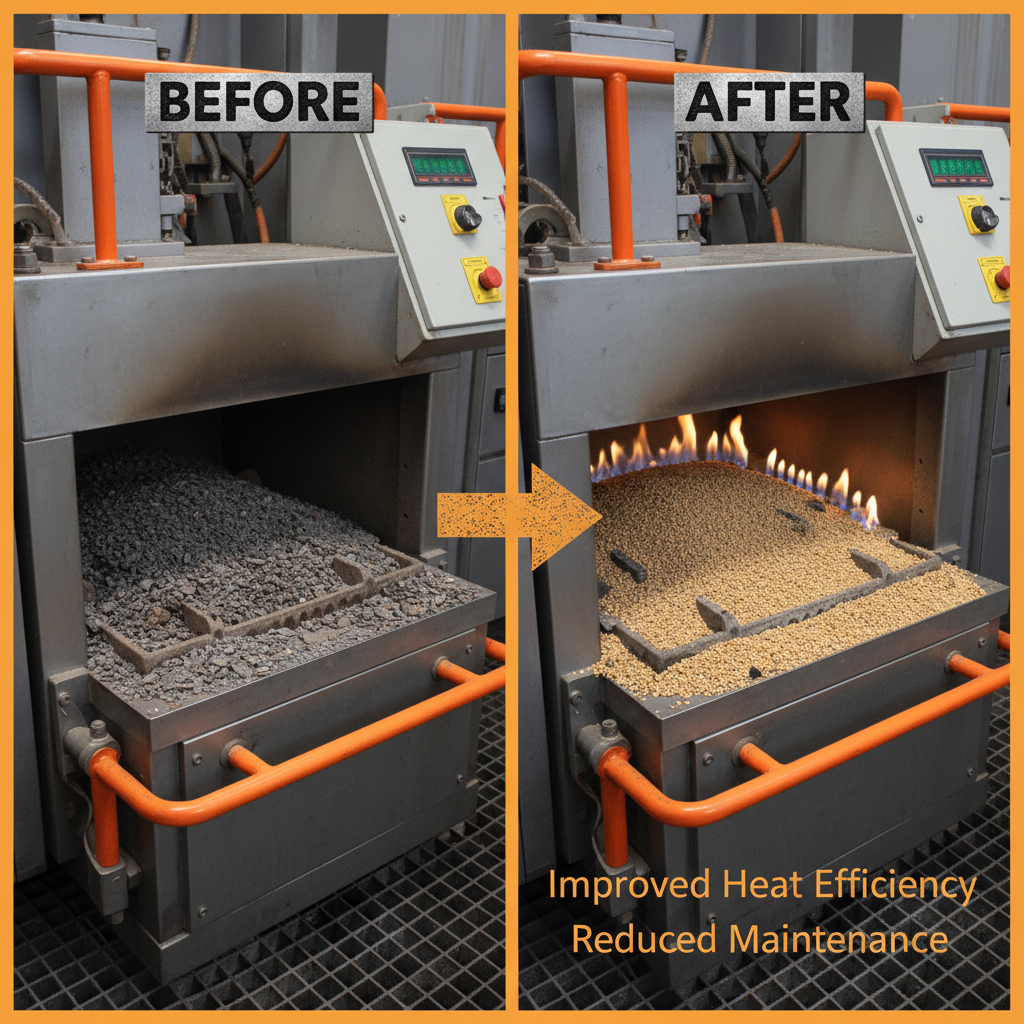
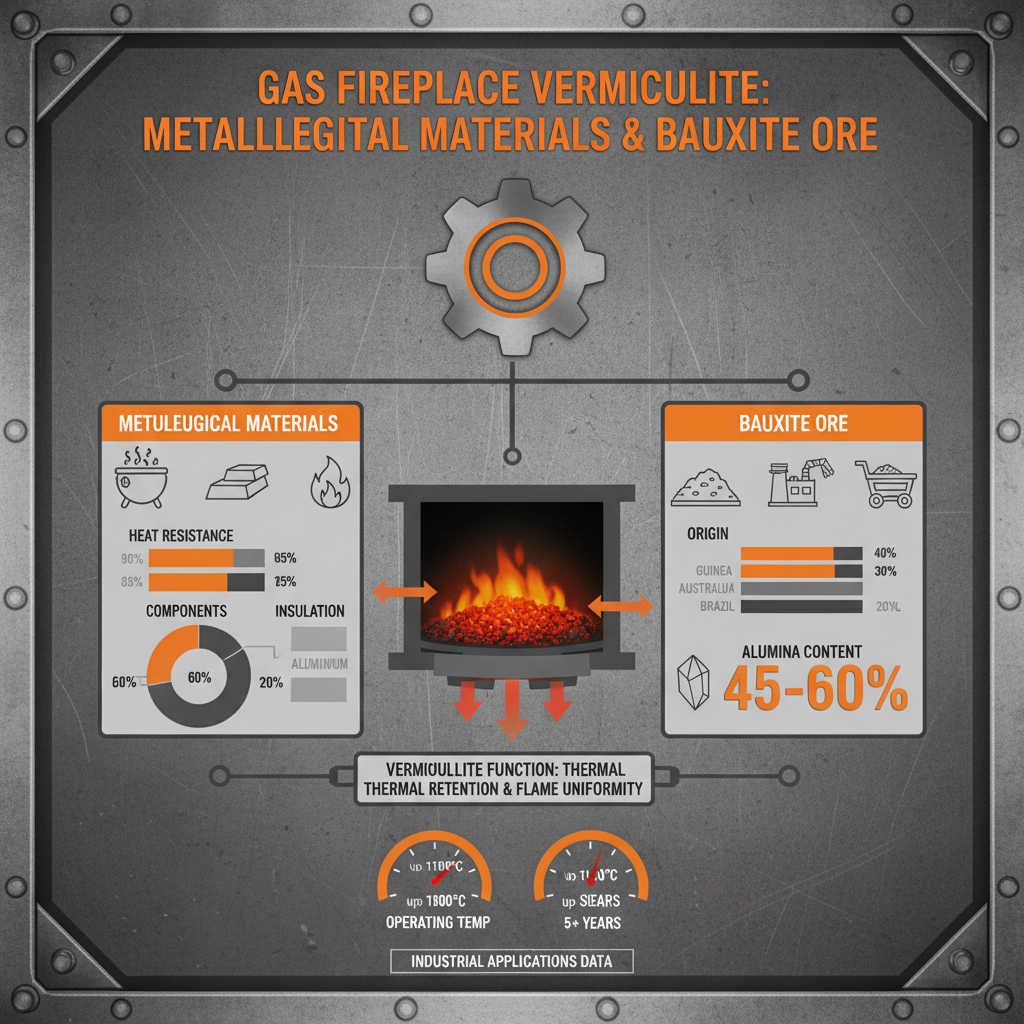
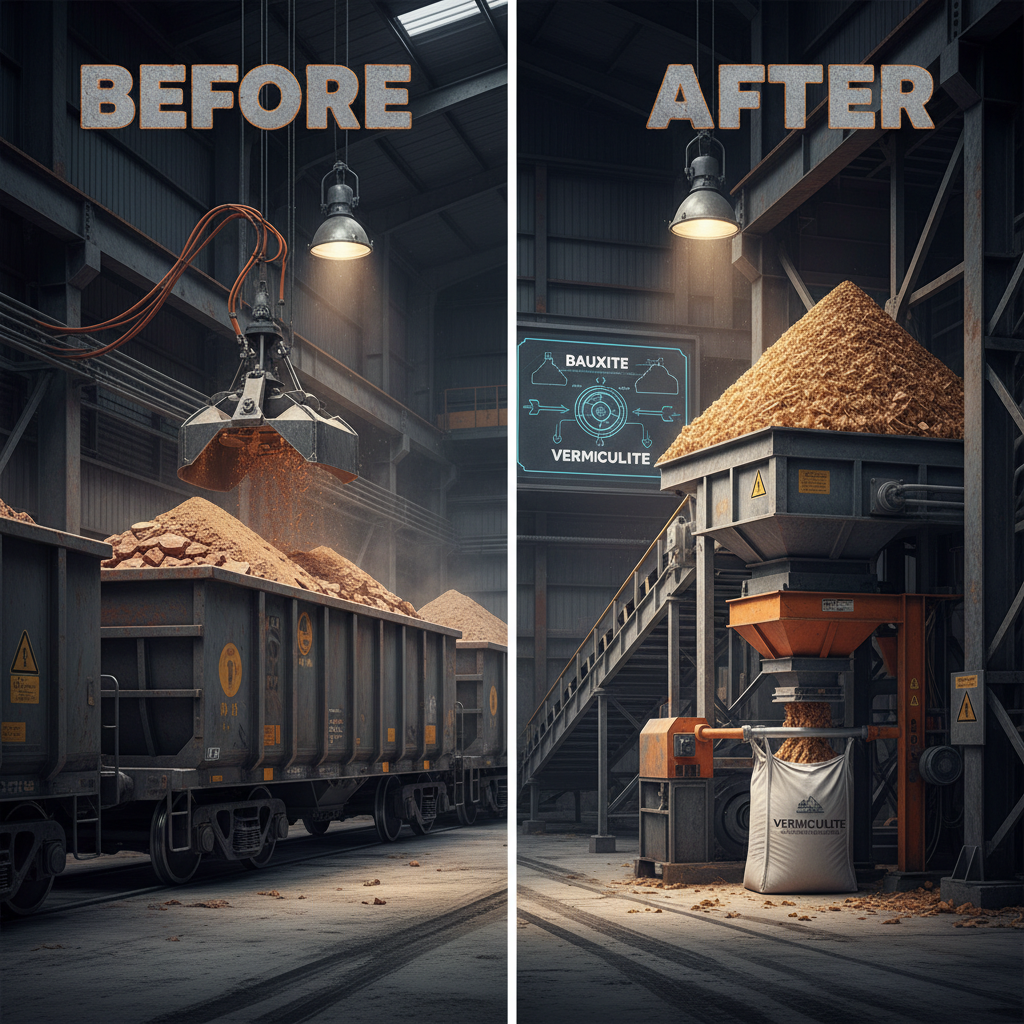
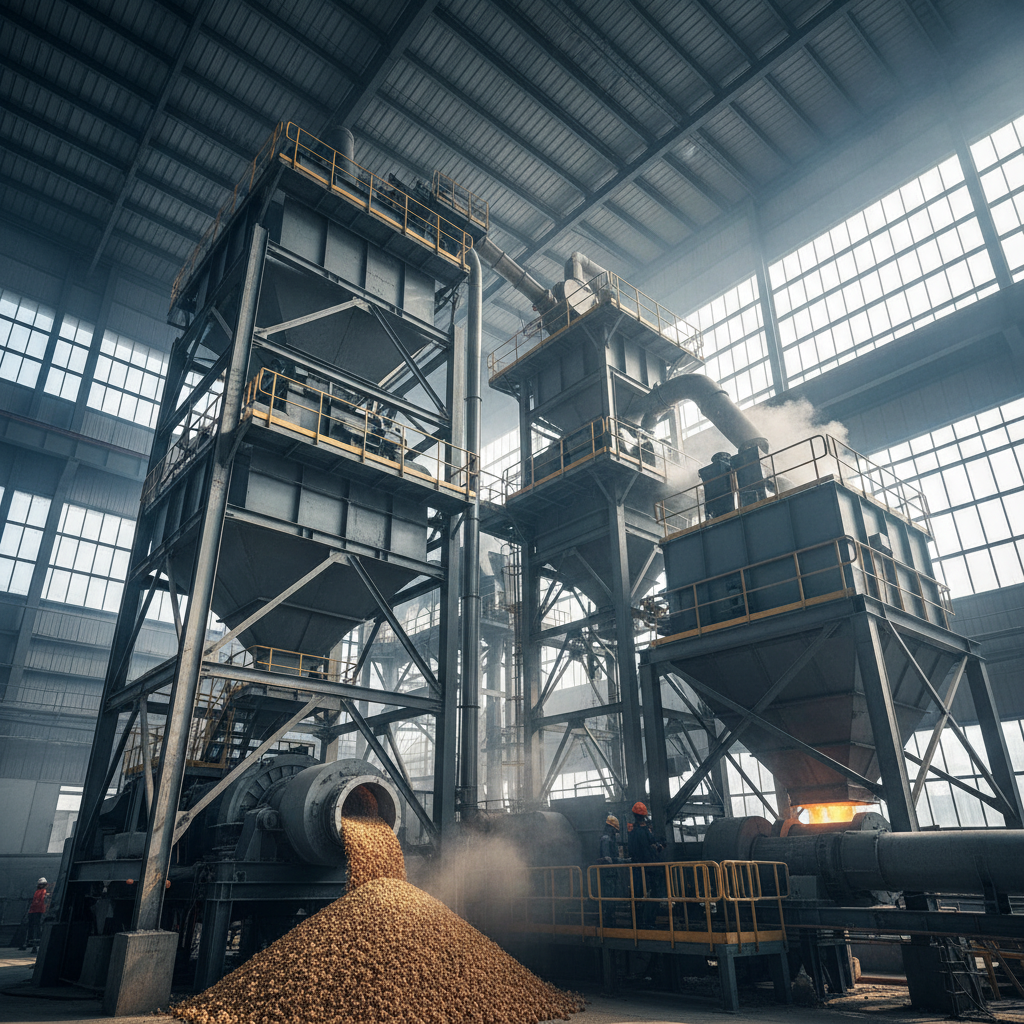
In the realm of modern home heating and industrial thermal management, gas fireplace vermiculite has emerged as a critical component for enhancing energy efficiency and safety. This expanded mineral, known for its extraordinary heat resistance and lightweight properties, serves as a superior insulating layer that optimizes the combustion process while protecting the structural integrity of the fireplace unit.
Globally, the shift toward sustainable and high-efficiency heating solutions has placed a spotlight on materials that can minimize heat loss and maximize thermal radiance. By utilizing gas fireplace vermiculite, homeowners and manufacturers can ensure a more consistent heat distribution, reducing the carbon footprint of residential heating systems and extending the lifespan of the hardware.
Understanding the technical nuances of this material is not merely a matter of maintenance but a strategic approach to home safety and thermodynamic optimization. From its chemical stability at high temperatures to its ability to dampen acoustic noise during gas ignition, the role of this specialized mineral is pivotal in bridging the gap between raw industrial power and refined domestic comfort.
Global Significance of Gas Fireplace Vermiculite
On a global scale, the demand for high-performance insulating materials like gas fireplace vermiculite is driven by stringent ISO energy standards and the universal push toward green building certifications. As urban populations grow, the need for safe, enclosed heating systems in high-density apartments has made the thermal buffering capacity of vermiculite indispensable.
In regions such as North America and Northern Europe, where gas fireplaces are a staple of residential architecture, the failure to use high-grade insulation often leads to excessive heat leakage and increased fuel consumption. By implementing precision-engineered vermiculite, the industry addresses the critical challenge of "thermal bridging," ensuring that heat is projected forward into the room rather than escaping through the fireplace walls.
Defining the Role of Vermiculite in Gas Heating
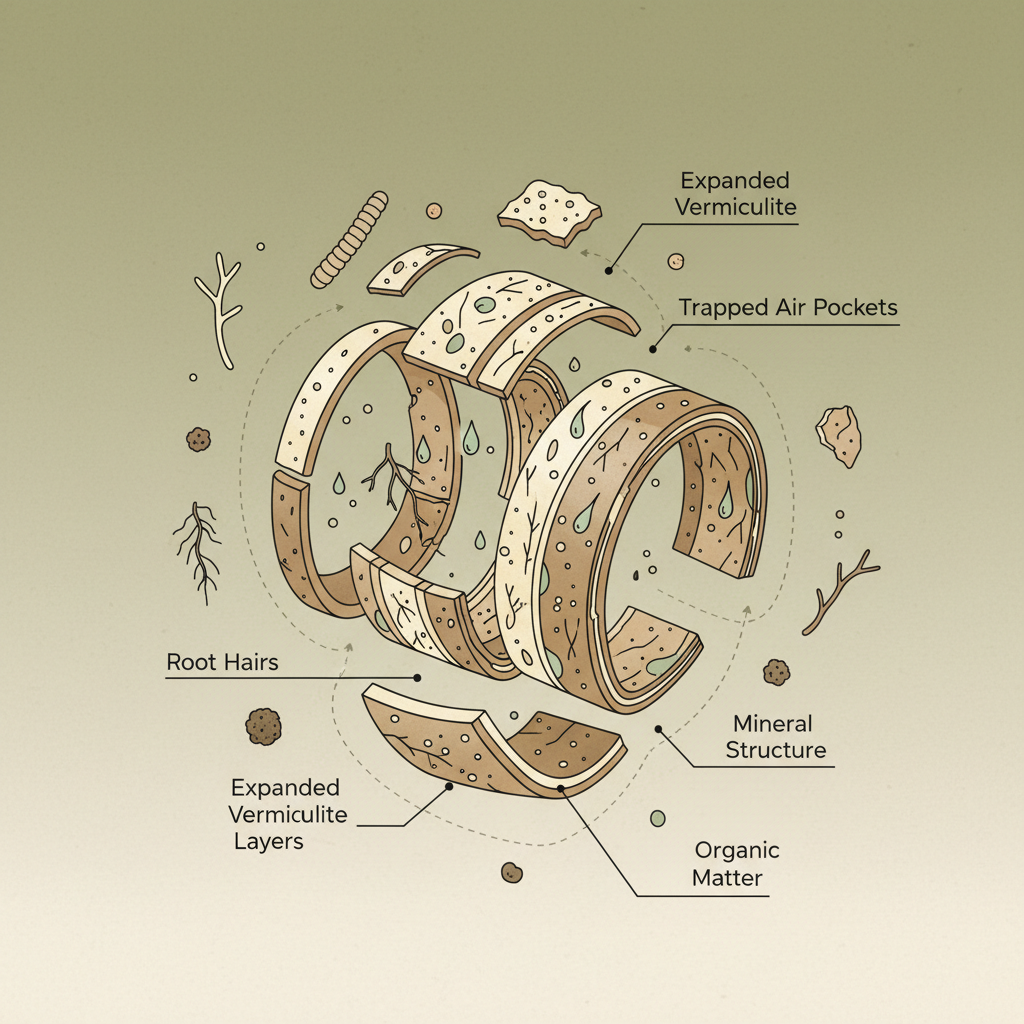
At its core, gas fireplace vermiculite is a hydrous phyllosilicate mineral that expands significantly when heated, creating a lightweight, porous structure. In the context of a gas fireplace, it acts as a refractory lining, capable of withstanding extreme temperatures without melting or releasing toxic fumes, which makes it a gold standard for indoor residential safety.
Beyond simple heat resistance, this material serves a dual purpose: it acts as a thermal battery, absorbing heat and radiating it slowly, and as a physical barrier. This synergy ensures that the external chassis of the fireplace remains at a safe temperature to the touch while the interior maintains the optimal combustion environment for the gas burners.
From a humanitarian and industrial perspective, the accessibility of vermiculite allows for the mass production of affordable, safe heating units. Its chemical neutrality ensures that it does not react with the metal components of the fireplace, preventing premature corrosion and ensuring that the units remain operational for decades with minimal maintenance.
Core Technical Components for Thermal Efficiency
The effectiveness of gas fireplace vermiculite is primarily defined by its thermal conductivity. Because of its cellular structure, it inhibits the flow of heat, which is essential for maintaining the high temperatures required for efficient gas oxidation while preventing the surrounding structure from overheating.
Another critical factor is the material's scalability and adaptability. Whether it is used as a loose-fill insulation or a compressed board, gas fireplace vermiculite can be tailored to fit various fireplace geometries, ensuring there are no "cold spots" that could lead to inefficient fuel burn or condensation buildup.
Finally, the durability of the material under repeated thermal cycling is paramount. Unlike some synthetic insulators that degrade over time, high-quality vermiculite maintains its volumetric stability, meaning it won't shrink or crack after years of being heated and cooled, ensuring long-term reliability for the end-user.
Comparative Performance and Cost-Efficiency
When evaluating the economic viability of gas fireplace vermiculite, one must look at the Total Cost of Ownership (TCO). While some cheaper alternatives exist, they often lack the fire-rating certifications required by modern building codes, potentially leading to higher insurance premiums or costly retrofits.
The operational efficiency gained through superior insulation translates directly into lower monthly gas bills. By optimizing the heat reflection within the firebox, vermiculite allows the system to reach its target temperature faster and maintain it with lower gas flow, providing a tangible return on investment within the first few winters of use.
Comparative Efficiency of Gas Fireplace Vermiculite Variants
Real-World Applications and Industrial Use Cases
In practical application, gas fireplace vermiculite is utilized across a spectrum of environments, from luxury residential condos to remote industrial cabins. In high-end residential projects, it is often integrated into custom-built hearths where aesthetic appeal must be balanced with rigorous fire safety standards, providing an invisible but essential layer of protection.
Beyond the home, this material is employed in industrial heating units and specialized smelting equipment where precise temperature control is required. For example, in remote industrial zones in Canada or Siberia, where heating is a matter of survival, the reliability of vermiculite-insulated systems ensures that critical infrastructure remains operational despite extreme external temperature drops.
Long-Term Value and Sustainability Impact
The long-term value of gas fireplace vermiculite extends beyond mere heat retention; it is a cornerstone of sustainable building practices. Because it is a naturally occurring mineral that requires relatively low energy to process compared to synthetic ceramic fibers, it presents a lower embodied carbon footprint for the construction industry.
Furthermore, the durability of vermiculite reduces the need for frequent replacements, thereby decreasing the volume of industrial waste sent to landfills. When a fireplace is decommissioned, the mineral components can often be recycled or safely returned to the earth, unlike asbestos-based insulators used in the mid-20th century.
From an emotional standpoint, the use of such high-quality materials provides homeowners with peace of mind. Knowing that their living space is protected by a non-toxic, fire-proof barrier allows for a sense of security and trust in the technology that keeps their families warm during the coldest months of the year.
Future Innovations in Thermal Insulation Materials
The future of gas fireplace vermiculite is being shaped by advances in nanotechnology and material science. Researchers are currently exploring "nano-enhanced" vermiculite, which incorporates microscopic particles to further reduce thermal conductivity, potentially allowing for thinner walls without sacrificing heat retention.
Additionally, the integration of digital transformation is bringing "smart insulation" to the forefront. We are seeing the development of vermiculite composites embedded with thermal sensors that can alert homeowners to heat leaks or structural degradation in real-time, shifting the maintenance paradigm from reactive to predictive.
As the world moves toward carbon neutrality, the synergy between green energy sources and high-efficiency insulation will be critical. The evolution of gas fireplace vermiculite will likely involve hybridizing it with other eco-friendly minerals to create the ultimate thermal barrier for the next generation of sustainable homes.
Technical Analysis of Vermiculite Performance Standards
| Material Grade |
Thermal Conductivity |
Fire Resistance (hrs) |
Sustainability Score |
| Standard Grade |
Moderate |
2-4 Hours |
7/10 |
| Industrial High-Heat |
Low |
6-8 Hours |
8/10 |
| Premium Refractory |
Very Low |
10+ Hours |
9/10 |
| Nano-Composite |
Ultra Low |
12+ Hours |
9/10 |
| Eco-Fiber Blend |
Low |
4-6 Hours |
10/10 |
| Basic Fill |
High |
1-2 Hours |
6/10 |
FAQS
Yes, high-quality gas fireplace vermiculite is entirely safe for indoor use. It is a naturally occurring mineral that does not emit toxic fumes when exposed to high temperatures. However, it is always recommended to ensure the product is specifically certified for fireplace use to avoid contaminants found in agricultural grades.
In most cases, vermiculite does not need frequent replacement. Because of its structural stability, it can last the lifetime of the fireplace. However, if you notice significant settling or if the fireplace has suffered a severe overheat event, a professional inspection is advised to determine if a top-off is necessary.
Absolutely not. Garden-grade vermiculite may contain organic impurities or additives that can smoke, smell, or even ignite when exposed to the intense heat of a gas burner. Always use specialized gas fireplace vermiculite designed for refractory applications.
Vermiculite works by creating a thermal barrier that prevents heat from escaping through the back and sides of the firebox. By reflecting the heat forward, it ensures that more energy is delivered into the living space, reducing the amount of gas required to maintain a comfortable room temperature.
Both have advantages, but vermiculite is often preferred for its natural origin, superior compressive strength, and excellent stability over many years of heating cycles. While ceramic wool is an excellent insulator, vermiculite offers a more sustainable and often more cost-effective solution for residential applications.
Not necessarily. There is an optimal depth for insulation. Adding too much can potentially obstruct airflow or interfere with the venting system of the fireplace. It is crucial to follow the manufacturer's specifications regarding the amount of gas fireplace vermiculite required for your specific model.
Conclusion
In summary, gas fireplace vermiculite is far more than a simple filler; it is a sophisticated thermal management tool that enhances safety, reduces energy costs, and promotes environmental sustainability. By leveraging its unique expansive properties and high fire resistance, the heating industry can provide safer and more efficient solutions for millions of households worldwide.
Looking forward, the continued evolution of mineral-based insulators will play a pivotal role in the transition toward carbon-neutral homes. We encourage manufacturers and homeowners to prioritize high-grade, certified vermiculite to ensure the longevity of their heating systems and the safety of their environments. For premium thermal solutions, visit our website: www.xingtailuxi.com.