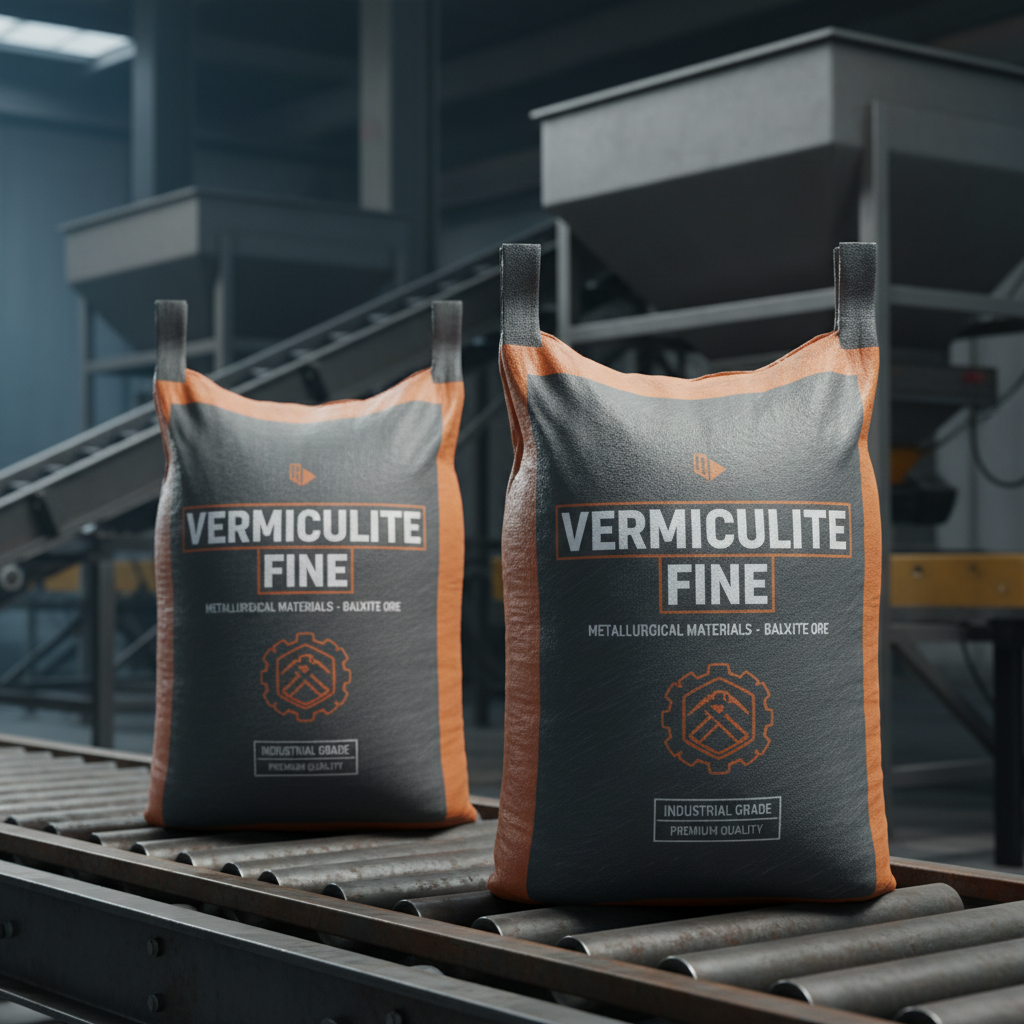
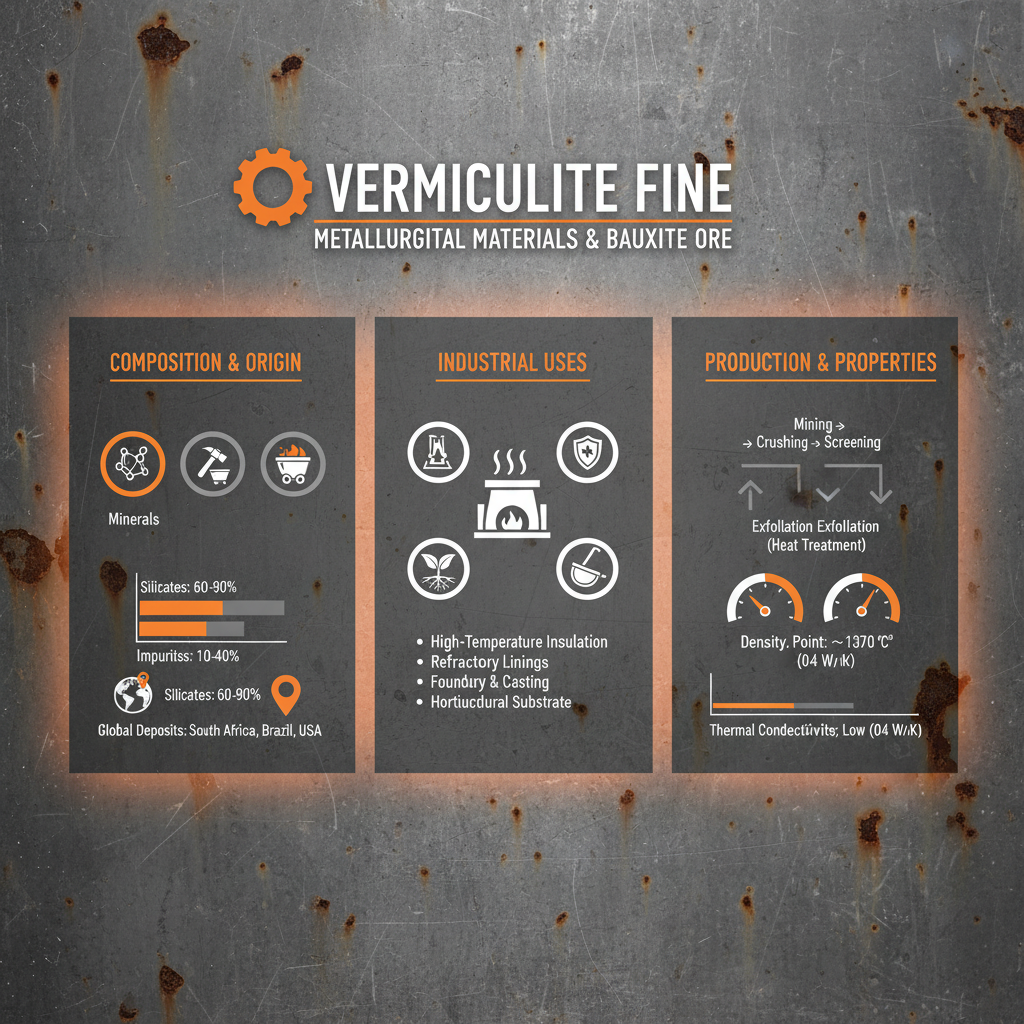
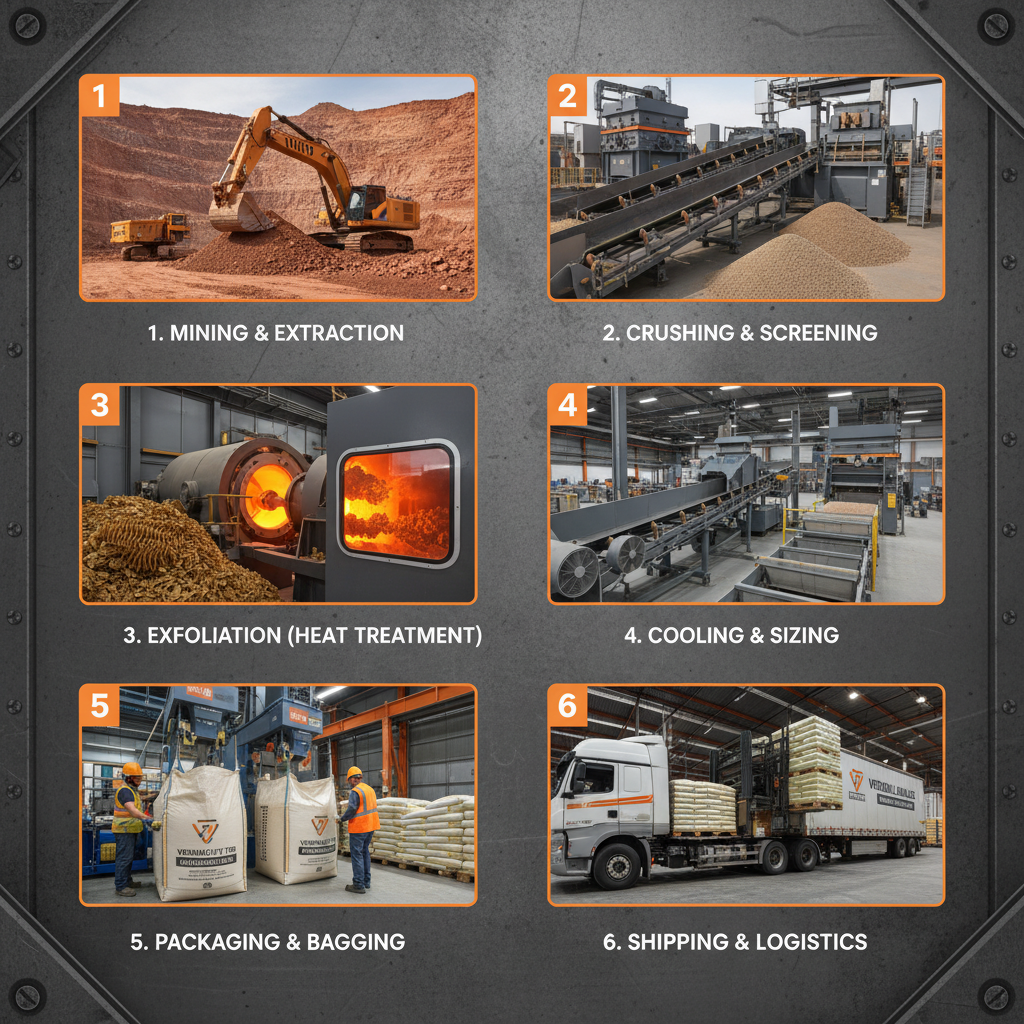
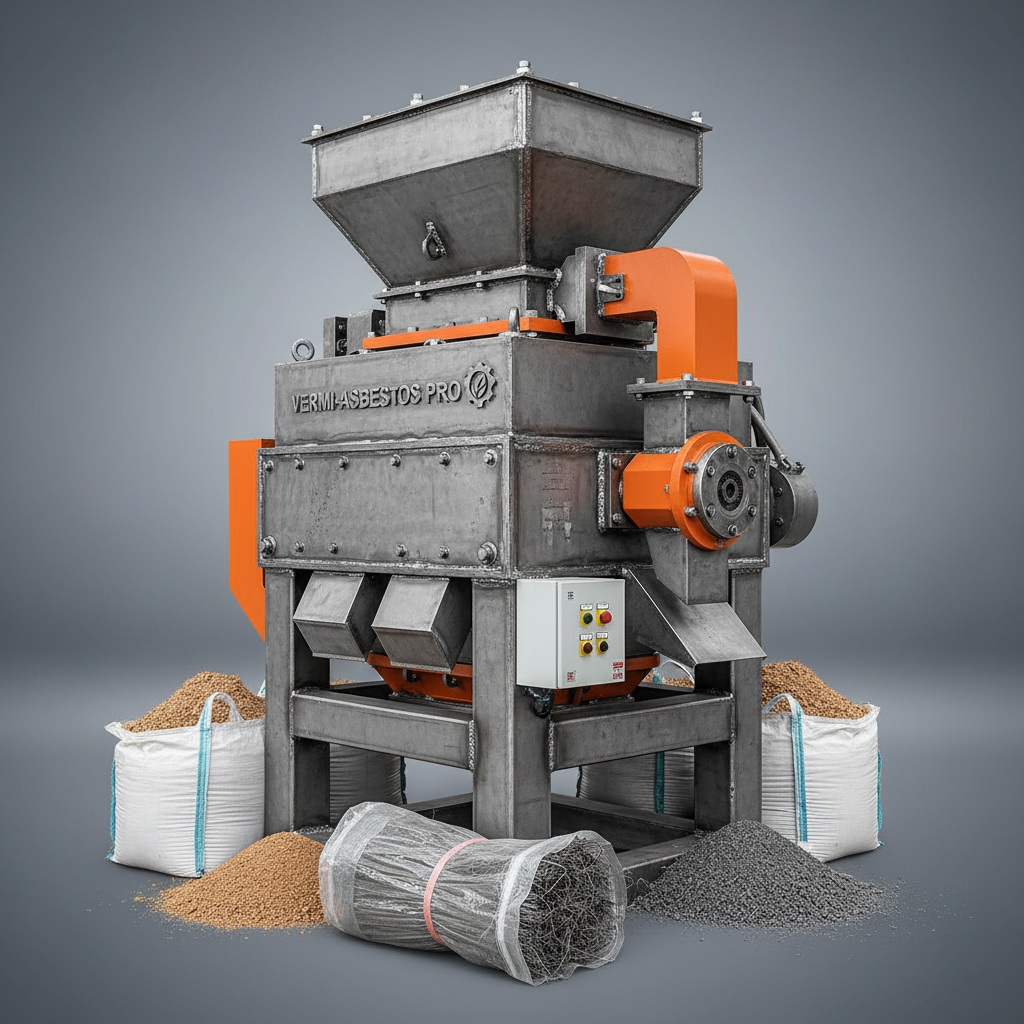
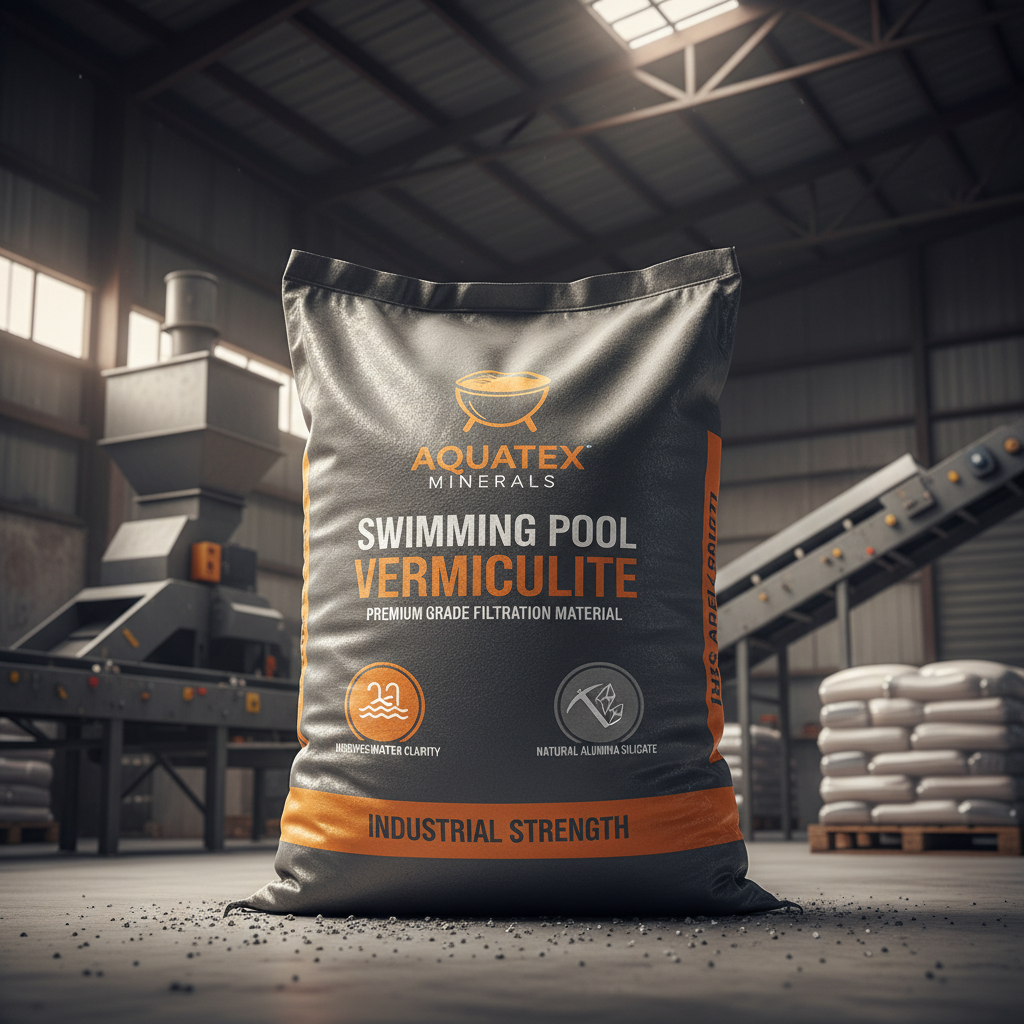
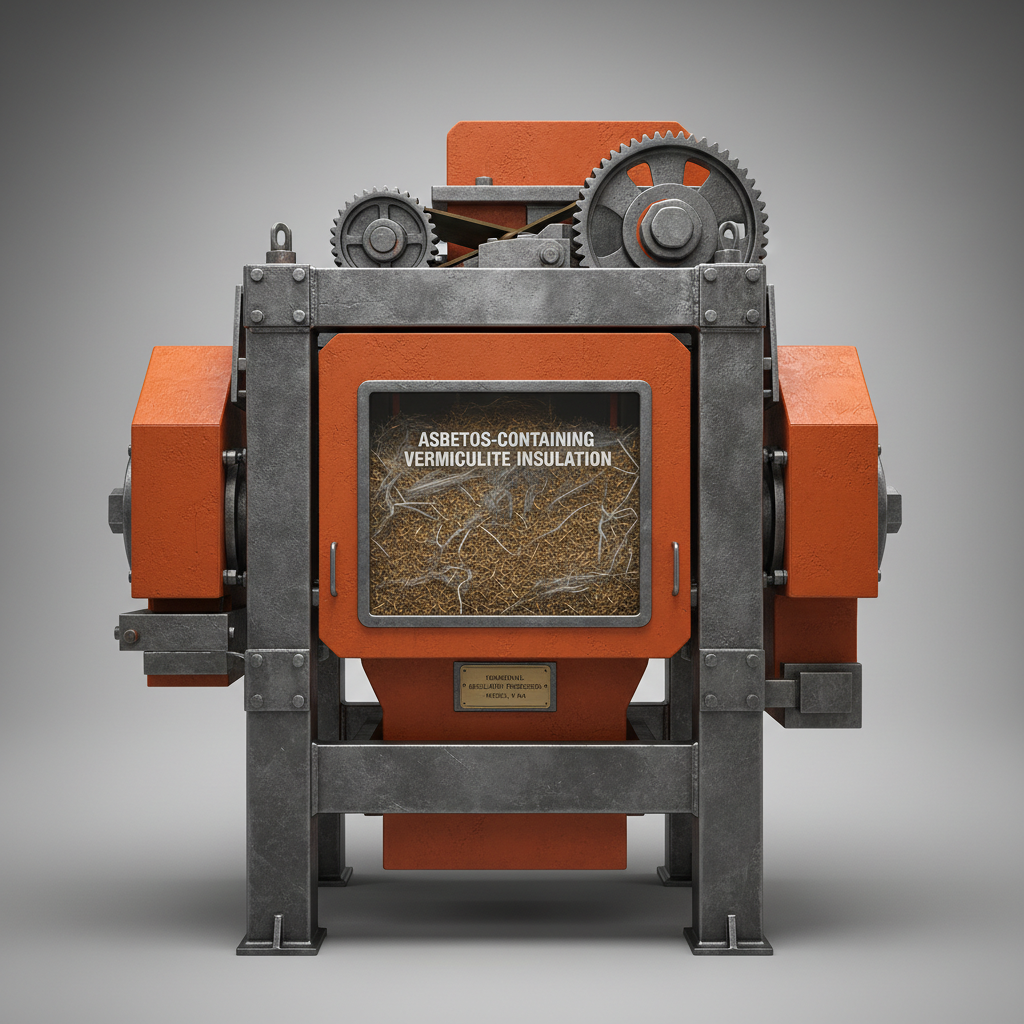
In the sophisticated landscape of metallurgical processing and industrial insulation, vermiculite fine has emerged as a critical material for enhancing thermal efficiency and structural stability. Its unique ability to expand upon heating makes it indispensable for creating high-performance barriers and lightweight fillers that withstand extreme temperatures, ensuring that industrial operations remain safe and energy-efficient.
Across the globe, the demand for high-purity vermiculite fine is driven by the need for sustainable, non-toxic alternatives to synthetic insulators. From the precision required in ferroalloy smelting to the rigorous demands of cryogenic storage, this mineral-based solution provides a balance of chemical inertness and physical resilience that few other materials can match.
Understanding the nuances of vermiculite fine is not merely a technical requirement but a strategic advantage for manufacturers. By optimizing the particle size and expansion ratio, industries can significantly reduce heat loss, lower operational costs, and adhere to increasingly strict international environmental standards regarding hazardous material emissions.
Global Relevance of Vermiculite Fine in Modern Industry
On a global scale, the strategic importance of vermiculite fine is underscored by its role in energy conservation. According to industrial benchmarks aligned with ISO energy management standards, the implementation of high-grade mineral insulation can reduce thermal leakage in smelting furnaces by up to 15-20%, directly impacting the carbon footprint of the heavy manufacturing sector.
However, the industry faces a persistent challenge: the inconsistency of raw mineral deposits. Variations in the chemical composition of vermiculite fine can lead to unpredictable expansion rates, which in turn creates vulnerabilities in heat shielding. Solving this requires a shift toward standardized, processed fines that offer predictable behavior under thermal stress.
Defining Vermiculite Fine and Its Industrial Role
In its simplest terms, vermiculite fine is a finely ground, processed form of the vermiculite mineral, which has been exfoliated or prepared for use as a filler, insulator, or absorbent. Unlike coarse grades, the "fine" designation refers to a specific particle size distribution that allows for denser packing and more uniform application in coatings and composite materials.
This material plays a pivotal role in modern industrial needs, particularly where fireproofing and thermal regulation are non-negotiable. By acting as a physical barrier to heat transfer, it protects critical infrastructure from meltdown and prevents the degradation of adjacent structural components in high-heat environments like those found in the iron and alloy industry.
Beyond simple insulation, the chemical structure of vermiculite fine allows it to interact with other binders, creating lightweight concrete or specialized mortars. This versatility makes it a cornerstone for humanitarian construction projects in extreme climates and for high-tech industrial facilities requiring rapid thermal stabilization.
Core Technical Factors of High-Quality Vermiculite Fine
Thermal Stability is the primary benchmark for vermiculite fine. The ability of the material to maintain its structural integrity at temperatures exceeding 1000°C ensures that it does not shrink or crack, which would otherwise create "thermal bridges" and compromise the insulation of a furnace or kiln.
Chemical Inertness is equally critical. High-grade vermiculite fine must remain non-reactive when exposed to aggressive smelting fumes or caustic industrial chemicals. This property prevents corrosion of the surrounding equipment and ensures the long-term durability of the insulation layer.
Particle Uniformity determines the scalability and ease of application. When vermiculite fine is processed to a consistent micron size, it allows for the creation of homogeneous mixtures, reducing the risk of air pockets or weak spots in fireproof coatings and casting materials.
Practical Performance Metrics for Vermiculite Fine
Evaluating the efficiency of vermiculite fine requires a data-driven approach. Performance is typically measured by comparing different processing methods—such as mechanical grinding versus chemical exfoliation—to determine which yields the best thermal resistance and structural density for specific industrial applications.
The following data illustrates how different grades of processed fines perform across key metrics, helping procurement managers select the right material for their specific heat-shielding requirements.
Comparative Performance of Vermiculite Fine Grades
Global Applications and Use Cases of Vermiculite Fine
In the realm of metallurgy, vermiculite fine is extensively used as a component in tundish dry vibration materials and furnace linings. By integrating these fines into the refractory mix, plants in Europe and Asia have reported a significant reduction in shell temperature, which enhances worker safety and reduces the energy required to maintain molten metal temperatures.
Beyond heavy industry, this material is critical in specialized construction. In regions prone to wildfires, vermiculite fine is blended into exterior plasters and interior wall panels to create fire-resistant envelopes. Its ability to act as a heat sink and prevent flame penetration makes it a vital tool for protecting remote industrial zones and residential areas in high-risk geographies.
Long-Term Value and Sustainability of Vermiculite Fine
The long-term value of investing in high-quality vermiculite fine lies in its lifecycle cost-efficiency. While the initial procurement cost may be higher than lower-grade fillers, the reduction in furnace downtime for relining and the decrease in annual energy expenditures provide a substantial return on investment (ROI) over five to ten years.
From a sustainability perspective, vermiculite fine is an eco-friendly alternative to synthetic foam or asbestos-based insulators. As a naturally occurring mineral, it is non-toxic and does not off-gas harmful chemicals when heated, aligning perfectly with the "Green Manufacturing" initiatives currently being adopted by global industrial leaders.
Moreover, the reliability of this material fosters trust between manufacturers and regulatory bodies. By using certified vermiculite fine, companies can more easily achieve safety certifications and insurance approvals, as the predictable fire-retardant properties of the mineral provide a logically sound layer of risk mitigation.
Future Innovations in Vermiculite Fine Technology
The future of vermiculite fine is being shaped by nanotechnology and automation. Researchers are currently exploring "nano-coated" vermiculite particles that can offer hydrophobic properties, preventing moisture absorption in humid industrial environments and further enhancing thermal conductivity ratings.
Digital transformation is also playing a role through the use of AI-driven quality control. By using automated optical sorting and laser diffraction, manufacturers can now produce vermiculite fine with an unprecedented level of precision in particle size, ensuring that every batch meets the exact specifications required for high-precision aerospace or nuclear insulation.
As the world shifts toward green energy, the application of vermiculite fine is expanding into the battery storage sector. Its thermal management capabilities are being tested for use in large-scale energy storage systems (ESS) to prevent thermal runaway, positioning this traditional mineral as a key player in the digital and energy transition.
Technical Comparison of Vermiculite Fine Processing Methods
| Processing Method |
Thermal Resistance |
Application Speed |
Eco-Rating (1-10) |
| Mechanical Milling |
Moderate |
Fast |
8 |
| Thermal Exfoliation |
Excellent |
Moderate |
9 |
| Chemical Processing |
High |
Slow |
6 |
| Nano-Coating |
Superior |
Slow |
7 |
| Air-Jet Milling |
High |
Very Fast |
9 |
| Hybrid Micronizing |
Very High |
Moderate |
8 |
FAQS
The primary difference lies in the particle size distribution. vermiculite fine is processed to have smaller, more uniform particles, which allows it to be used in coatings, thin-layer insulation, and as a high-density filler. Coarse grades are typically used for bulk filling or horticultural applications where drainage and aeration are more important than thermal sealing.
It improves efficiency by drastically reducing heat loss through the furnace walls. Because of its low thermal conductivity and high heat resistance, vermiculite fine creates a superior thermal barrier, meaning less energy is required to keep the furnace at operational temperatures and the exterior shell remains cooler.
Yes, high-purity vermiculite fine is naturally non-toxic and chemically inert. When used in fire-resistant plasters or panels, it provides a safe, non-combustible layer that protects occupants and prevents the spread of fire without releasing the harmful toxins associated with some synthetic foams.
Depending on its application, it can often be recycled. If used as a loose-fill insulator, vermiculite fine can be recovered and sieved for reuse. However, once it is integrated into a cured concrete or epoxy binder, it becomes part of the structural matrix and cannot be separated, though the resulting material is often recyclable as construction aggregate.
Quality should be verified through technical data sheets (TDS) and certificates of analysis (CoA). Key metrics to check include the expansion ratio, moisture content, and particle size distribution. Reputable suppliers of vermiculite fine will provide ISO-compliant testing results to ensure the material meets your specific thermal and chemical requirements.
Due to its chemical stability and resistance to biological decay, insulation using vermiculite fine can last for decades. In industrial settings, its lifespan depends on the thermal cycling of the equipment, but it generally outperforms organic insulators by resisting degradation and shrinkage over long periods of high-heat exposure.
Conclusion
In summary, vermiculite fine stands as a cornerstone of modern industrial thermal management, offering a rare combination of extreme heat resistance, chemical stability, and environmental sustainability. By optimizing everything from particle size to expansion ratios, it addresses the most pressing challenges in the metallurgy and construction sectors—namely energy efficiency and fire safety.
Looking ahead, the integration of nanotechnology and AI-driven processing will only enhance the capabilities of this versatile mineral. For companies seeking to future-proof their operations against rising energy costs and stricter environmental regulations, adopting high-grade vermiculite fine is a strategic imperative. To learn more about our high-performance materials, visit our website: www.xingtailuxi.com